

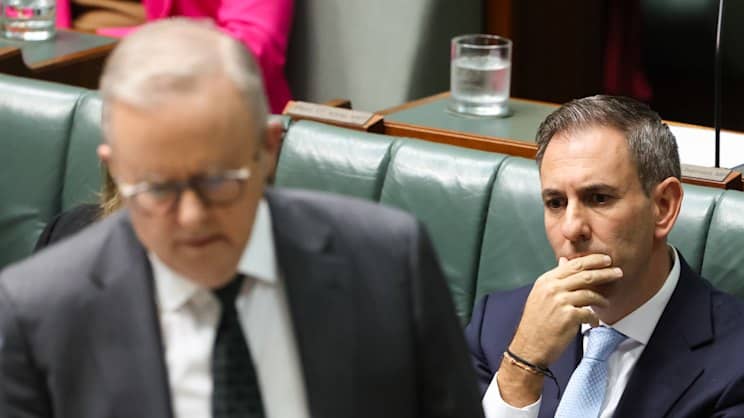

Albanese Government Considers Capital Gains Tax Concessions Amid Small Business Concerns
The Albanese government is reportedly considering a range of Capital Gains Tax (CGT) concessions, a strategic move aimed at pre-empting and mitigating a potential backlash from Australia's vital small business sector. These deliberations come amidst growing concern among senior government ministers regarding the political ramifications of recent budget tax changes, which have reportedly caused significant confusion and apprehension among a substantial segment of "mum and dad traders" across the country.
Addressing Small Business Confusion and Political Pain
Reports indicate that the government is acutely aware of the widespread confusion that has arisen among small business owners regarding the implications of tax adjustments introduced in recent federal budgets. This lack of clarity is understood to be a primary driver behind the urgent consideration of CGT concessions. Senior figures within the government have reportedly expressed significant worries about the potential for sustained political pressure and negative sentiment if these concerns are not effectively addressed and clarified in a timely manner.
The perceived poor explanation of the budget's tax changes is a key element of the government's internal assessment. This assessment suggests that the communication strategy surrounding the tax reforms may not have adequately reached or effectively clarified the changes for the diverse small business community. This has reportedly led to widespread misunderstanding and apprehension, particularly among those who may not have immediate access to comprehensive professional tax advice.
The government's specific focus on "mum and dad traders" highlights an understanding that this demographic, often comprising sole traders, family businesses, and micro-enterprises, is particularly vulnerable to misinterpretations of complex tax legislation. These businesses are frequently operated by individuals who manage all aspects of their enterprise, from operations to finances, and may find it challenging to navigate intricate tax changes without clear, accessible guidance. The potential for these individuals to feel overlooked or burdened by new tax rules is a significant concern for the government.
The Significance of Capital Gains Tax for Small Businesses
Capital Gains Tax is levied on the profit made from the sale of assets, encompassing a broad range of items including investment properties, shares, and crucially for this discussion, businesses themselves or significant business assets. For small businesses, CGT can be a profoundly significant factor in critical financial decisions, such as selling a long-held family business, disposing of key business assets to fund expansion, or restructuring operations to adapt to changing market conditions. The tax implications of such events can heavily influence the viability and profitability of these transitions.
Australia's existing CGT rules already include various concessions specifically designed to assist small businesses, acknowledging their unique circumstances and contributions to the economy. These concessions can include the 50% active asset reduction, which allows a small business to reduce a capital gain by half if the asset is used in an active business; the small business retirement exemption, which allows individuals to disregard capital gains up to a lifetime limit if they are over 55 and retiring; and the small business rollover, which permits deferring a capital gain if a new active asset is acquired. Any new concessions being considered would likely build upon or modify these existing frameworks, aiming to provide further relief or greater certainty to small business owners.
The government's consideration of additional CGT concessions suggests an acknowledgement that the current tax environment, potentially exacerbated by recent budget changes, may be perceived by small businesses as creating an undue financial burden or significant uncertainty. While the specific nature of the proposed concessions has not been publicly detailed, they are expected to target areas where small businesses feel most impacted by capital gains liabilities, potentially easing the financial implications of critical business transitions or asset sales and fostering an environment conducive to growth and investment within the sector.
Mitigating Political Fallout and Building Trust
Senior ministers are reportedly concerned that prolonged confusion and dissatisfaction among small business owners could translate into significant political pain for the Albanese government. Small businesses collectively represent a substantial voting bloc across all electorates and are often seen as a crucial barometer of broader economic sentiment within the community. An angry backlash from this economically vital sector could undermine public confidence in the government's economic management capabilities and its broader policy agenda, potentially impacting future electoral prospects.
The strategy to explore CGT concessions is therefore viewed as a proactive and essential measure to diffuse potential discontent before it escalates into a more widespread political issue. By offering targeted relief and demonstrating a willingness to listen and respond to the concerns of small businesses, the government aims to reinforce its commitment to supporting their growth, stability, and overall contribution to the national economy. This approach seeks to avoid a protracted period of public debate and criticism over tax policy, which could divert valuable attention and resources from other pressing government priorities.
The government's internal discussions reportedly centre not only on the substance of any proposed concessions but also on how best to articulate them to ensure they are clearly understood and effectively address the identified areas of confusion. The objective is twofold: to implement beneficial tax adjustments and, crucially, to significantly improve the communication strategy around these changes, learning from the perceived shortcomings of earlier explanations. This improved communication is seen as vital to rebuilding trust and ensuring that small business owners feel heard and supported.
The potential for political fallout is a key and acknowledged driver in these considerations. The Albanese government is reportedly keen to avoid a scenario where "mum and dad traders" feel unfairly targeted, overlooked, or disproportionately burdened by tax reforms. Ensuring that small businesses perceive the tax system as equitable, transparent, and supportive of their endeavours is considered paramount for maintaining political stability, fostering economic confidence, and securing public trust in the government's stewardship of the economy.