

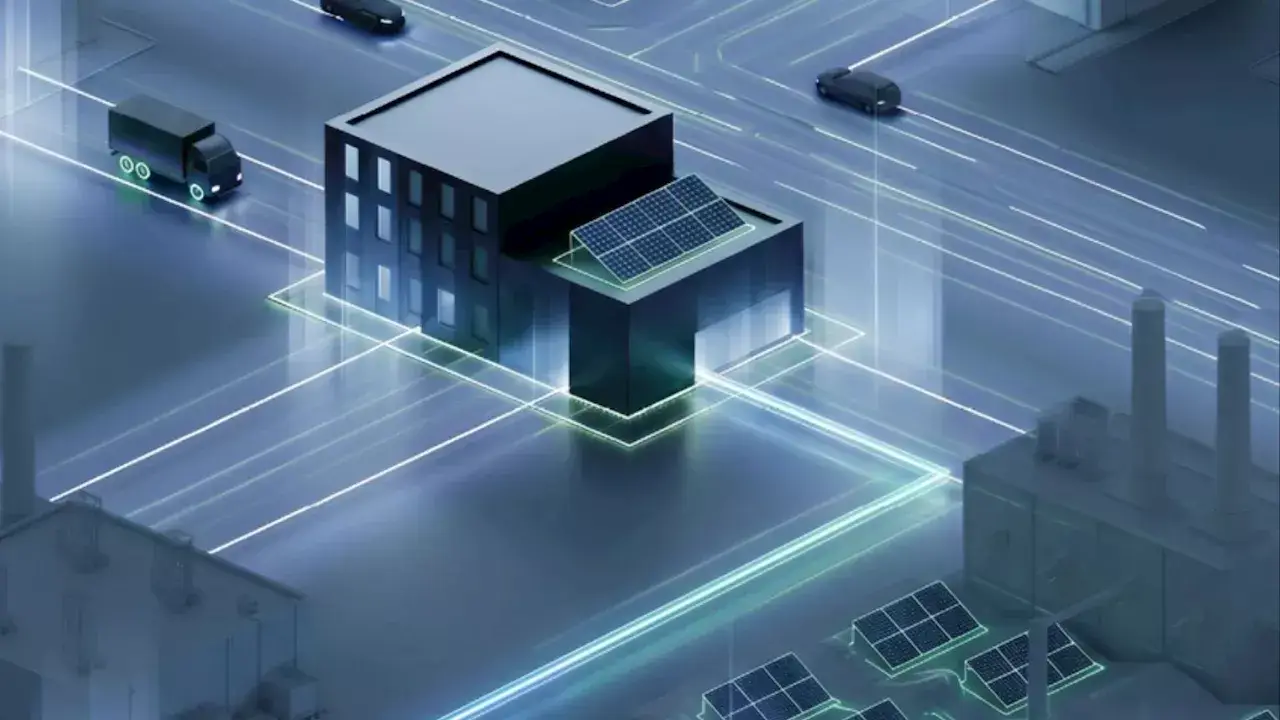

Shifting From One-Way Flow to Coordinated Resources
For more than a century, the electricity grid has operated primarily in one direction, with power plants generating electricity, grids delivering it, and homes, factories, and businesses consuming it. That model is beginning to change as solar panels, batteries, electric vehicles (EVs), and connected devices spread across the network. Millions of these devices can now store energy, shift when they use it, or send it back.
"Everything-to-grid" is the emerging concept of coordinating these resources so they become active parts of the power system rather than simply sitting at the end of the network. The World Economic Forum included the concept of coordinating resources like EVs and batteries as active parts of the power system among its initiatives.
The simplest way to view this shift is to imagine the grid gaining millions of tiny batteries, generators, and flexible loads that can respond to conditions in real time. This coordination allows distributed assets to function collectively as a single, useful power resource.
Vehicle-to-Grid and Building Flexibility
At the center of this transformation is bidirectional charging, which allows an electric vehicle’s battery to potentially send electricity back to a building or the grid, rather than just consuming it. Vehicle-to-grid (V2G) technology enables compatible vehicles and chargers to exchange electricity with the grid.
Software plays a critical role in this exchange. It can decide when a vehicle should charge, pause charging, or discharge electricity based on grid conditions and the owner’s driving needs. This capability turns individual EVs into mobile energy storage units that can support grid stability.
Grid-interactive buildings are also becoming key components of this flexible infrastructure. These structures combine energy efficiency, smart controls, communications, and distributed energy resources such as solar panels and batteries. The U.S. Department of Energy describes grid-interactive buildings as flexible energy resources that can help reduce peak demand and make better use of periods when electricity is plentiful.
The International Energy Agency (IEA) describes these grid-interactive buildings as "prosumers" that can produce, consume, store, buy, and sell energy. This dual role allows buildings to act as both consumers and producers within the broader energy ecosystem.
Renewable Integration and Market Requirements
The push for grid flexibility coincides with significant changes in global electricity generation. The IEA expects renewables to overtake coal in global electricity generation in 2026. As wind and solar expand, the IEA says modernizing grids and improving system flexibility will be critical.
Everything-to-grid systems could help absorb surplus electricity when renewable generation is high and reduce demand when the grid is under pressure. This dynamic balancing act relies on making millions of independent devices behave like one useful power resource.
Infrastructure and Industry Standards
Making this vision a reality requires more than just smart software; it demands robust infrastructure. Making millions of independent devices behave like one useful power resource requires communication standards, smart inverters and chargers, control software, electricity-market rules, and cybersecurity.
Widespread deployment of everything-to-grid technology depends on compatible vehicles, chargers, communications systems, regulations, and business models. Without these foundational elements, the coordination between diverse energy assets remains fragmented.
Manufacturing and Future Capacity
Industry players are already adjusting their strategies to support this new grid architecture. Toyota is targeting EVs, hybrids, and longer-lasting batteries with a $50M US battery center. This investment highlights the growing emphasis on battery longevity and capacity, which are essential for vehicles to serve as reliable grid resources.
As manufacturers prioritize these technologies, the integration of electric vehicles into the broader energy network becomes increasingly feasible. The convergence of advanced battery chemistry, bidirectional charging capabilities, and intelligent software management positions the transportation sector as a pivotal component of future energy stability.