


Public Demands for Ceasefire From Key Partners
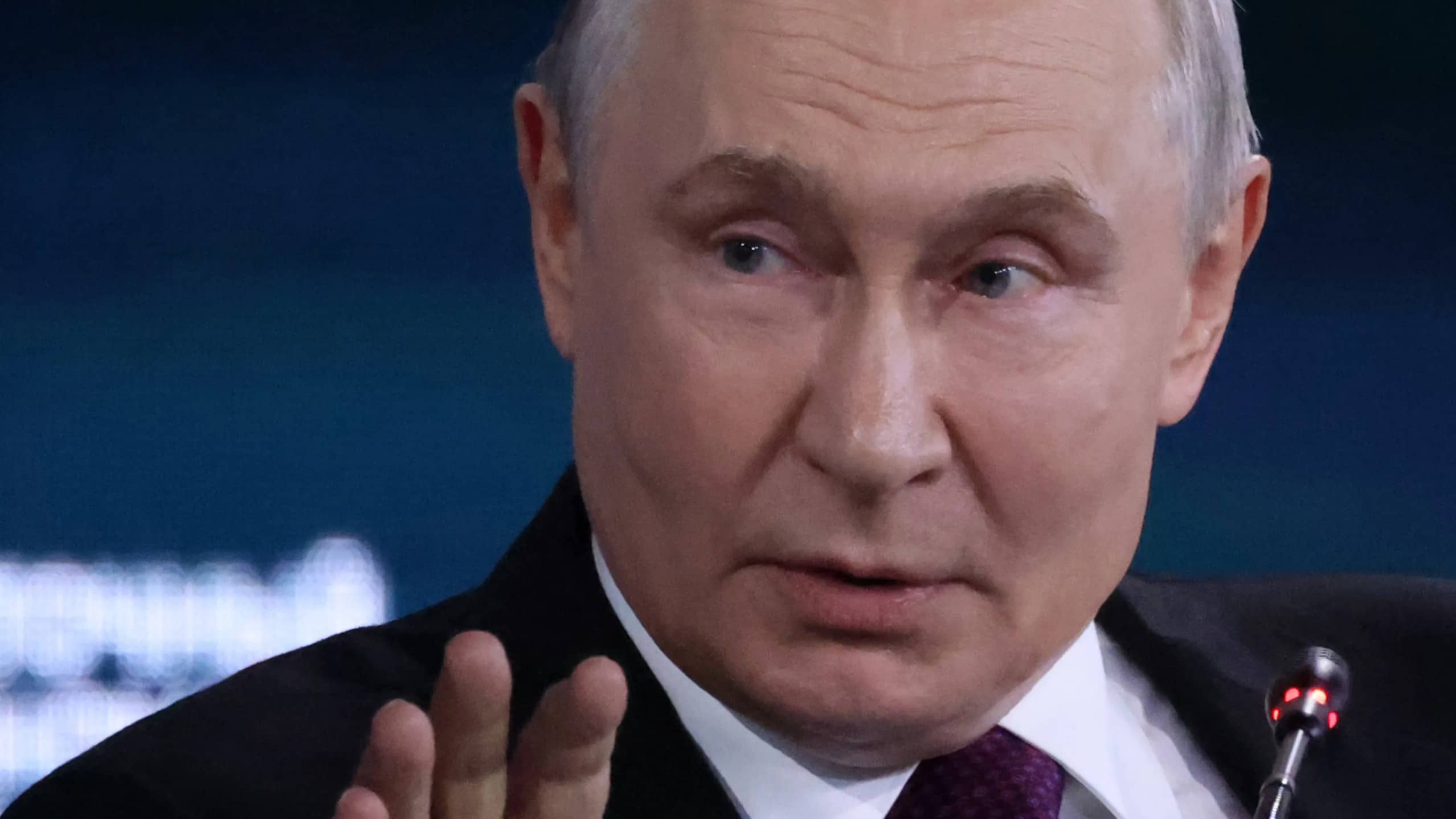
Vladimir Putin faces potential pressure from his closest allies as the conflict in Ukraine continues, according to reports indicating that support for the Kremlin is fraying. This erosion of long-standing alliances marks a significant shift, as partners who have historically maintained close ties with Russia are now openly questioning the prolonged military campaign.
One key partner has already delivered a public rebuke to the Russian leader on the global stage by demanding an end to the invasion. Indian Prime Minister Narendra Modi addressed the situation directly on Tuesday, urging the Kremlin leader to stop the fighting. In his remarks, Modi stated that Putin needed to end the bloodshed "for the sake of humanity." This statement marks a notable public intervention from a significant geopolitical partner of Russia, underscoring the growing international concern over the conflict's humanitarian toll and its broader implications.
The Sun reported that Modi’s stern words echo those of other crucial allies who are reportedly growing increasingly exhausted with Putin’s territorial ambitions. The publication suggests that these partners are becoming impatient with the duration and scope of the military campaign, signaling a potential shift in international dynamics surrounding the conflict. The public nature of such demands from key partners represents a notable departure from previous diplomatic engagements, where concerns might have been conveyed through more private channels.
Cracks in the Alliance: Exhaustion and Discontent
The growing impatience among Russia's crucial allies is rooted in a reported exhaustion with Putin's territorial ambitions. The prolonged conflict in Ukraine, coupled with its far-reaching geopolitical and economic repercussions, is cited as a primary driver of this discontent. These partners, who have often stood by Russia on various international issues, are now reportedly weary of the ongoing military campaign and its lack of a clear resolution.
This growing impatience and exhaustion represent a significant challenge to the Kremlin's foreign policy, which has historically relied on a network of strategic alliances to project influence and counter Western pressures. The shift in sentiment among these allies suggests a re-evaluation of their relationships with Moscow, particularly as the war continues to exact a heavy toll and disrupt global stability.
A loss of support from these close allies could potentially destabilize Putin's regime, according to the reporting. The implications extend beyond diplomatic friction, touching upon the very foundations of Russia's international standing and its ability to maintain a united front among its traditional partners.
Regime Stability Under Threat: The "Backstab" Scenario
The erosion of support from close allies could potentially destabilize Putin's regime, according to the reporting. The article posits that if the "failed" war in Ukraine drags on, Putin could be "backstabbed" by those who have historically supported him. This scenario suggests a potential internal challenge to his leadership, arising from the frustration and perceived failures associated with the ongoing conflict.
Harvey Geh, a foreign news reporter for The Sun, wrote that this dynamic represents a potential turning point for the Kremlin leader. The report describes the allies as "panicked" and suggests they are acting to stop what it terms an "endless war." This characterization highlights a sense of urgency among these partners, who may view the continuation of the conflict as detrimental to their own interests and regional stability.
The article uses language describing Putin as a "bloodthirsty tyrant" and a "despot," attributing these characterizations to the source's framing of the events, underscoring the severity of the perceived situation and the growing condemnation from within his traditional sphere of influence. According to the report, one key partner has already delivered what is described as a "humiliating blow to the despot’s face on the global stage." This event is cited as evidence that the axis of support surrounding Putin is cracking under the weight of the ongoing conflict, signaling a significant weakening of his international backing.
Mounting International Pressure and Future Implications
The reporting highlights that other crucial allies are reportedly growing exhausted with Putin’s territorial ambitions. This exhaustion is presented as a significant factor in the potential unraveling of his political standing, suggesting a weakening of his international leverage and potentially even his domestic control. The article notes that a loss of support from these close allies could have severe consequences for the stability of his regime, potentially leading to internal challenges or shifts in power dynamics within Russia.
The Sun's coverage, published on September 6, 2026, frames the current diplomatic friction as a possible "spark" that could wreck Putin’s alliances, transforming long-standing partnerships into sources of opposition. This perspective suggests that the public and private expressions of discontent from these allies are not isolated incidents but rather indicators of a broader, more systemic shift in international relations surrounding Russia.
The report indicates that the international pressure is mounting as the war continues without resolution, suggesting a critical juncture for Putin's leadership and Russia's geopolitical standing. The collective weariness and public demands from key partners could force the Kremlin to reassess its strategy in Ukraine, or face further isolation and potential instability from within its traditional support base.