


Demographic Pressures and Environmental Strain
The ongoing migration surge originating from Morocco is driven by a complex interplay of structural forces, including demographic shifts, regional instability, and environmental degradation. According to analysis published by The Sun, these factors are not temporary anomalies but persistent drivers that suggest the current trajectory of migration will continue without significant interruption.
Demographic factors play a central role in this dynamic. Morocco’s population structure creates a surplus of working-age individuals seeking opportunities abroad, while simultaneous economic constraints limit domestic absorption capacity. This imbalance forces many to look toward Europe as a primary destination for labor and stability.
Climate change further exacerbates these pressures. Agricultural sectors in northern Africa are increasingly vulnerable to shifting weather patterns, water scarcity, and desertification. As livelihoods dependent on farming become less viable, economic migration is compounded by environmental displacement. The intersection of these elements creates a sustained push factor that international border controls have struggled to mitigate.
Regional Instability and Political Dynamics
Political dynamics within North Africa and the broader Mediterranean region contribute significantly to the flow of migrants. Ongoing conflicts in neighboring areas destabilize borders and disrupt local economies, forcing residents to seek refuge beyond national boundaries. The instability is not isolated to a single point but reflects a broader regional trend where governance challenges and security concerns intersect.
Political decisions in both origin and destination countries shape the conditions under which migration occurs. Restrictions on legal pathways often force individuals toward irregular routes, increasing the risks associated with the journey. Meanwhile, diplomatic tensions or cooperation agreements between Morocco and European nations influence the speed and scale of border management responses.
The Ceuta Crisis and Child Migrant Influx
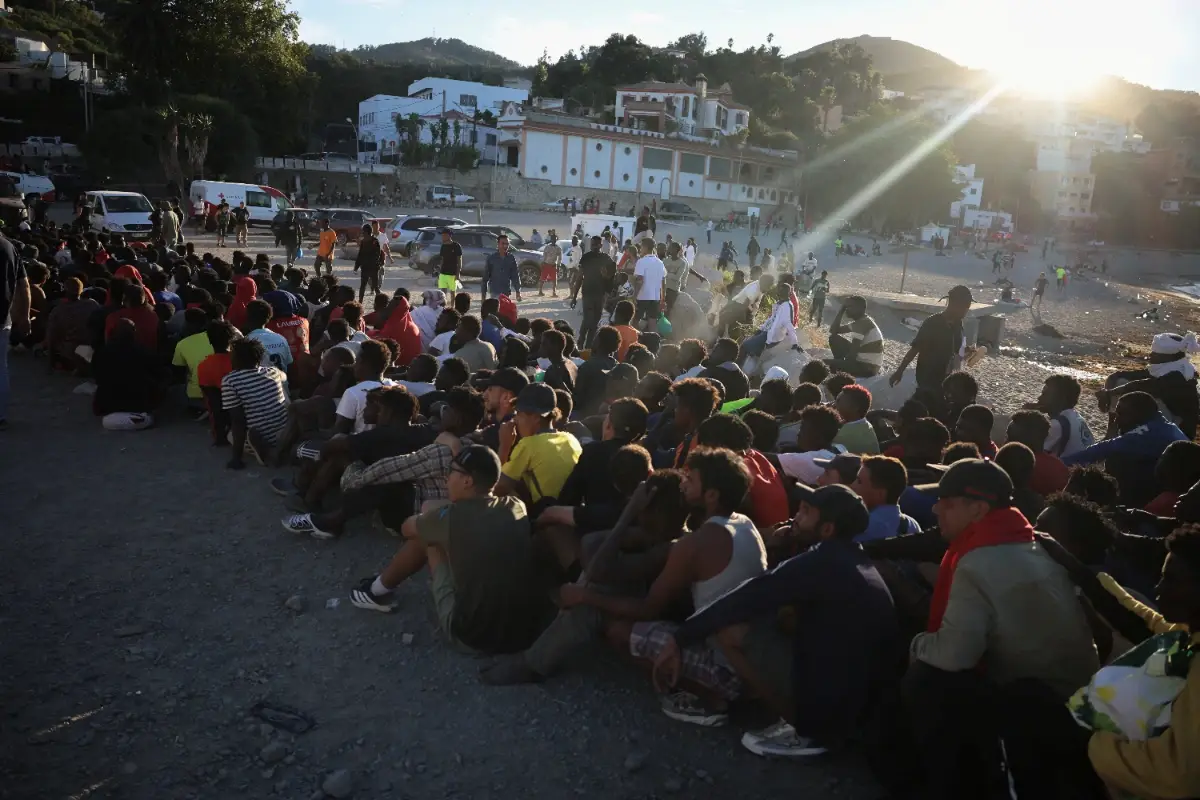
Recent events in Ceuta, the Spanish exclave on the North African coast, have highlighted the human cost of these broader trends. Local authorities in Ceuta have issued warnings regarding an "unsustainable" influx of child migrants. The sudden arrival of large numbers of minors has strained local social services, housing resources, and legal processing systems.
Operational Challenges at the Border
The surge in unaccompanied minors has created immediate operational difficulties for border enforcement agencies. Resources typically allocated for general migration management are being redirected to address the specific needs of children, including medical care, psychological support, and guardianship arrangements. The volume of arrivals has outpaced existing protocols, leading to calls for emergency measures.
Officials in Ceuta describe the situation as critical, noting that the current rate of entry is not manageable under standard administrative frameworks. The term "unsustainable" reflects the inability of local infrastructure to cope with the scale of the influx without external assistance or policy adjustments.
International Implications
The situation in Ceuta has drawn attention from international human rights organizations and European Union bodies. The presence of large numbers of children in irregular migration flows raises questions about protection standards, asylum procedures, and the responsibility of transit countries. Spain’s relationship with Morocco regarding border control remains a focal point of diplomatic dialogue, as both nations seek to balance security concerns with humanitarian obligations.
Future Trajectory of Migration Flows
Analysts suggest that the Moroccan migration surge is unlikely to abate in the near term. The underlying causes—demographic momentum, climate impacts, and political instability—are structural rather than cyclical. Without significant changes in economic conditions in origin countries or substantial expansion of legal migration channels, the pressure on border regions like Ceuta will persist.
European policymakers face the challenge of addressing immediate humanitarian needs while developing long-term strategies to manage migration flows. The sustainability of current approaches is being questioned as the volume and composition of migrants continue to shift, particularly with the increasing proportion of minors among those arriving irregularly.
The convergence of these factors indicates that the Moroccan surge is a defining feature of contemporary European migration policy. Its persistence requires coordinated responses that address root causes in North Africa while managing border realities in Europe. The situation in Ceuta serves as a microcosm of these broader challenges, illustrating the urgent need for comprehensive solutions that go beyond temporary enforcement measures.