


Projected Revenue Growth and Timeline for Clarity
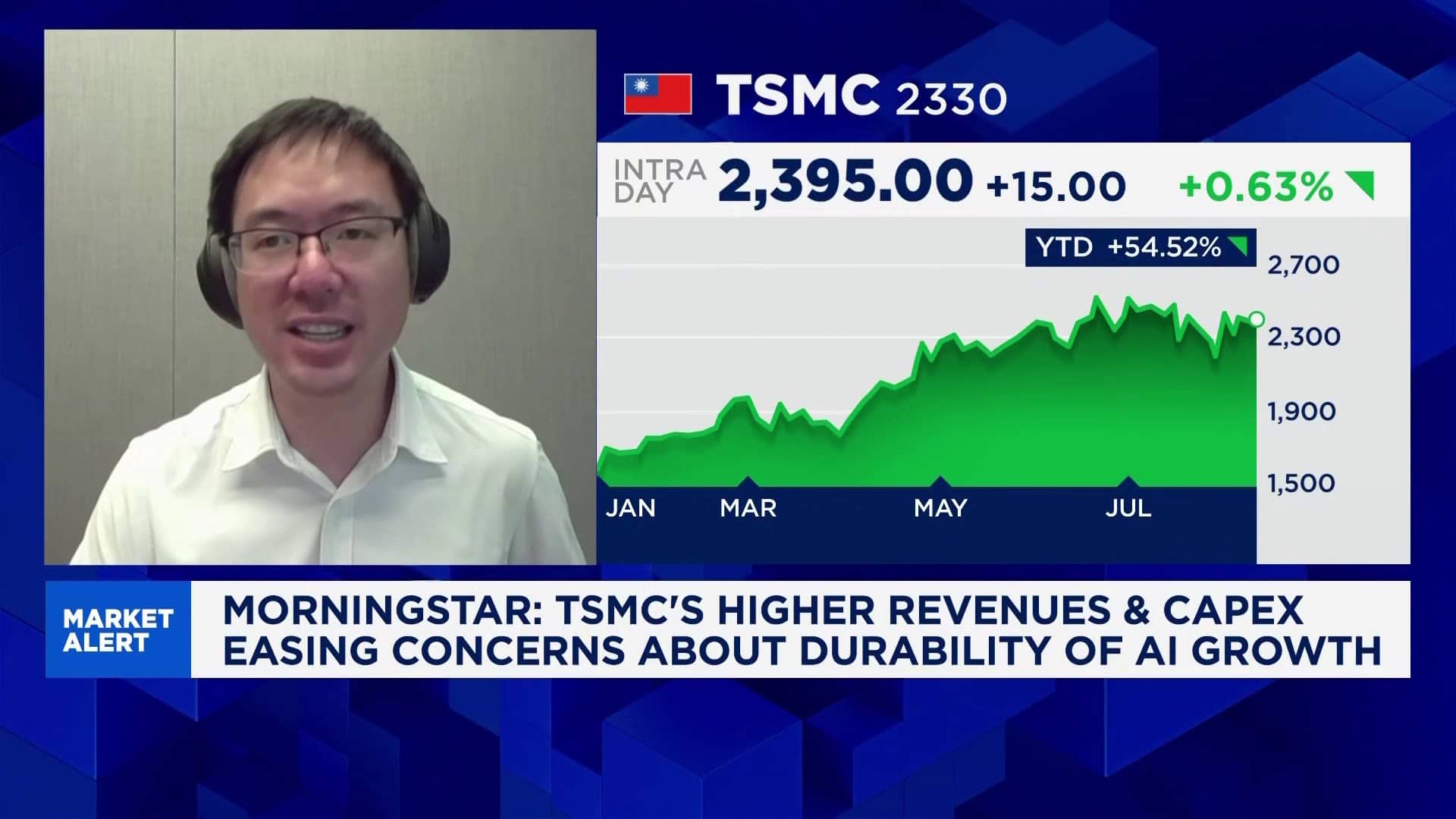
Phenix Lee, an analyst at Morningstar, has articulated a critical timeline for Taiwan Semiconductor Manufacturing Company’s (TSMC) engagement with the artificial intelligence sector. According to Lee, the company’s AI growth narrative
will necessitate a clear demonstration of its financial returns during the 2028–2029 period. This timeframe is identified as crucial for investors and market observers to gain clearer indications regarding the long-term sustainability of TSMC’s significant expansion and investment in the burgeoning AI sector.
The analyst's assessment underscores a distinction between immediate operational success and enduring profitability. While the long-term sustainability of TSMC’s AI-driven growth remains a subject for future analysis, Lee projects a robust immediate trajectory for the semiconductor manufacturing giant. He specifically indicated that 2027 is expected to see a continuation of the current strong momentum, with TSMC anticipating approximately 30% revenue growth during that fiscal year.
This projection highlights a period of substantial near-term financial performance for the company, driven by the intense demand for advanced AI chips. However, it also frames the ongoing questions surrounding the ultimate profitability and sustainable return on the substantial investments TSMC is making in its AI-related manufacturing capabilities. The interplay between impressive immediate revenue expansion and the need for validated long-term return on investment forms the core of Lee’s current evaluation of TSMC’s market position.
TSMC's Foundational Contribution to AI Hardware
TSMC stands at the epicenter of the global AI revolution, serving as the primary foundry for many of the world's leading artificial intelligence chip designers. Its advanced manufacturing processes are essential for producing the high-performance, energy-efficient processors that power everything from data centers and cloud computing to edge AI devices. The AI growth narrative
for TSMC, therefore, is intrinsically linked to its ability to continuously innovate and scale the production of these complex chips. The anticipated 30% revenue growth for 2027 is a direct reflection of the current surge in demand for AI infrastructure, as companies globally race to build out their AI capabilities.
For a company like TSMC, demonstrating the sustainability
of its AI growth involves more than just securing orders. It requires maintaining technological leadership in process nodes, ensuring high utilization rates of its advanced fabs, and securing consistent, high-margin business from key AI innovators. The 2028-2029 window is seen as the point where these factors should coalesce into clear, verifiable financial returns, moving beyond the initial phase of rapid build-out and investment.
Market Reaction to Geopolitical and Supply Chain Factors
Despite the highly positive revenue projections for the near term, TSMC’s stock has experienced a relatively muted reaction from investors. Phenix Lee attributed this subdued market response not to a lack of confidence in the company’s operational prowess or its critical role in the AI supply chain, but rather to a confluence of external pressures.
The analyst specifically identified two primary factors contributing to this cautious market behavior: persistent geopolitical tensions and ongoing supply chain bottlenecks. These structural challenges have significantly influenced investor sentiment, creating a notable disconnect between the company’s projected robust financial growth and the more restrained performance of its stock.
Geopolitical risks in the region where TSMC operates continue to be a significant focal point for global markets and a source of investor apprehension. The strategic importance of Taiwan in the global semiconductor landscape means that any political instability or heightened tensions can cast a long shadow over companies based there, regardless of their individual financial strength. Simultaneously, constraints within the global supply chain, which have been a recurring issue in recent years, add layers of complexity to the operational environment for a company like TSMC, which relies on a vast network of suppliers for raw materials, equipment, and logistics.
Together, these intertwined elements have tempered enthusiasm among investors. While the company's fundamentals appear strong, the external risks have led to a less volatile, but also less aggressively bullish, stock reaction than might typically be expected from such high revenue growth projections in a rapidly expanding sector.
External Pressures on Global Semiconductor Manufacturing
The challenges faced by TSMC are, in many ways, emblematic of the broader issues confronting the entire global semiconductor industry. Geopolitical considerations have increasingly become a dominant factor, as nations recognize the strategic importance of chip manufacturing for economic competitiveness and national security. This has led to increased scrutiny and, at times, intervention in the industry, impacting investment decisions and supply chain strategies.
Similarly, the intricate and globally distributed nature of the semiconductor supply chain makes it highly vulnerable to disruptions. Bottlenecks can arise from a multitude of sources, including shortages of specialized equipment, raw materials, skilled labor, or even logistical hurdles. For a company like TSMC, which operates at the cutting edge of technology and requires a vast ecosystem of partners, navigating these complexities is an ongoing and resource-intensive endeavor. These external pressures contribute to a higher risk premium for investors, even for a company with an otherwise strong market position and compelling growth prospects.
Implications for Future Investment Clarity
The expectation that clarity on the sustainability of TSMC’s AI profitability will arrive in 2028–2029 implies that the current period is one of intensive accumulation and strategic expansion rather than one of definitive financial verification. During this phase, TSMC is likely focusing on scaling its advanced manufacturing capacities, investing heavily in research and development for next-generation process technologies, and solidifying relationships with key AI chip designers. For investors, this established timeline sets a specific horizon for evaluating whether the substantial capital expenditures and operational efforts in AI manufacturing capabilities are effectively translating into durable competitive advantages, consistent market leadership, and ultimately, sustainable profits.
Until that crucial timeframe arrives, analysts like Phenix Lee will continue to closely monitor the intricate interplay between TSMC’s technical execution, its strategic ability to navigate persistent supply chain constraints, and the ever-evolving broader geopolitical landscape. The projected 30% revenue growth for 2027 serves as a vital baseline metric for this ongoing evaluation, offering a tangible indicator of immediate demand and operational success. However, Lee’s caution regarding the 2028–2029 window distinctly highlights the inherently speculative nature of current AI infrastructure spending. While the immediate financial outlook for TSMC is undeniably positive, the ultimate validation of the company's AI growth story
remains contingent on future market conditions, technological advancements, and competitive dynamics that are not yet fully realized or predictable.