

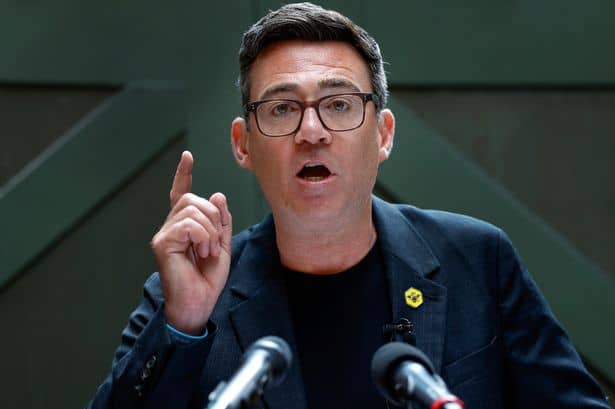

Andy Burnham has publicly expressed support for implementing a ban on social media use by individuals under the age of 16. The former Mayor of Greater Manchester stated that he advocates for the swift delivery of this legislative measure, characterizing it as essential for child safety.
A proposed critical first step in digital regulation
According to an exclusive report published on July 3, 2026, by The Mirror, Burnham views the prohibition of social media access for those under 16 years old as a "critical first step" toward ensuring children remain safe online. The article notes that this stance represents a significant shift in his public policy positions regarding digital infrastructure and youth protection.
The source text indicates that Burnham believes current regulations are insufficient to protect minors from potential harms associated with social networking platforms. He argues that waiting for further evidence or gradual adjustments is not the appropriate course of action. Instead, he calls for immediate legislative intervention to restrict access to these services before an individual reaches their 16th birthday.
"He has already spoken," The Mirror reported regarding Burnham's previous engagements on this topic. This suggests that his position was formed prior to the publication date and is based on accumulated observations rather than a sudden reaction to recent events. The report highlights his consistent advocacy for stricter controls in this specific area of public policy.
Political expectations surrounding leadership transition
The article identifies Andy Burnham as an individual who is widely expected to assume the role of Prime Minister on July 20, 2026. This anticipated succession comes following Keir Starmer's tenure in office. The Mirror describes this potential leadership change as a key factor influencing how policy priorities might shift under new administration.
In light of these expectations regarding his future position at the head of government, Burnham intends to press ahead with the social media ban regardless of whether he officially takes power on July 20 or in an interim capacity. The report suggests that this issue has become a priority for him personally and politically before he assumes the premiership.
"Andy Burnham - who is expected to take over from Keir Starmer," reads the headline context provided by the source, "will press ahead with a social media ban for under 16s." This phrasing implies that his commitment to this policy extends beyond party lines or standard political maneuvering. It positions him as an actor willing to push specific measures forward based on what he deems necessary.
Political analysts and correspondents covering the story note that Burnham's approach is distinct from previous discussions about digital safety which often focused on age verification systems rather than outright bans for under-16s. By framing this as a "critical first step," he signals an intent to build upon existing frameworks with more direct restrictions.
Demands for urgency in policy implementation
Burnham has emphasized that the delivery of such measures must occur with what he describes as "urgency." The Mirror article quotes him or paraphrases his sentiments regarding the speed at which legislation should be drafted and enacted. He argues that delaying action leaves children vulnerable to risks that are already present in the current digital environment.
The source text does not specify a timeline for how long this process might take, but Burnham's call for urgency suggests he anticipates significant hurdles or resistance from other stakeholders who may prefer slower implementation methods. He contrasts his desire for speed with potential bureaucratic inertia that could delay protective measures indefinitely.
"He wants the measure to be delivered with 'urgency'," states The Mirror, summarizing Burnham's public position as reported by political correspondent Sophie Huskisson at 17:30 on July 3, 2026. This timestamp provides a precise record of when these statements were made available to the public through this specific outlet.
The article also references comments attributed to Tech Sec officials who acknowledge Burnham's backing for the ban under-16 social media restriction initiative. While no direct quote from a Tech Sec official is provided in the source text, their involvement indicates that government departments are aware of and likely coordinating with this proposed policy direction.
Ex-Greater Manchester Mayor Burnham brings local governance experience to national debates on digital safety. His background includes managing issues related to community well-being within Greater Manchester before moving into broader political roles. This history informs his perspective on how online risks impact real-world communities and families.
The scope of the proposed restriction
According to The Mirror, the ban would apply specifically to social media platforms used by individuals under 16 years old. The definition of "social media" in this context generally encompasses interactive networks where users create content or engage with others online. This includes major global platforms as well as smaller niche sites that facilitate peer-to-peer communication.
The source does not provide a comprehensive list of which specific applications would be affected, but the language used implies a broad prohibition covering most services currently marketed toward younger demographics. Burnham's proposal suggests that any platform allowing user accounts for those under 16 should either cease operations or implement technical barriers preventing registration.
"Keeping kids safe online," is cited as one of the primary motivations driving this policy recommendation. The phrase appears in multiple contexts within the source text, reinforcing its centrality to Burnham's argument. Safety concerns encompass issues such as cyberbullying, exposure to harmful content, and potential interactions with predators or scammers.
The report notes that Burnham sees this ban not merely as a regulatory adjustment but as a fundamental change in how society approaches digital access for minors. He positions it alongside other protective measures currently under discussion by various governments worldwide regarding adolescent internet usage.