


CEOs Declare Advanced AI Models Dangerous
\nThe CEOs of Anthropic and OpenAI have declared that America's cutting-edge artificial intelligence models are so powerful they are dangerous and need to be regulated and independently tested before being released. In a rare instance of unity, the companies have sketched alarming scenarios in essays, social media posts, and speeches to the United Nations.
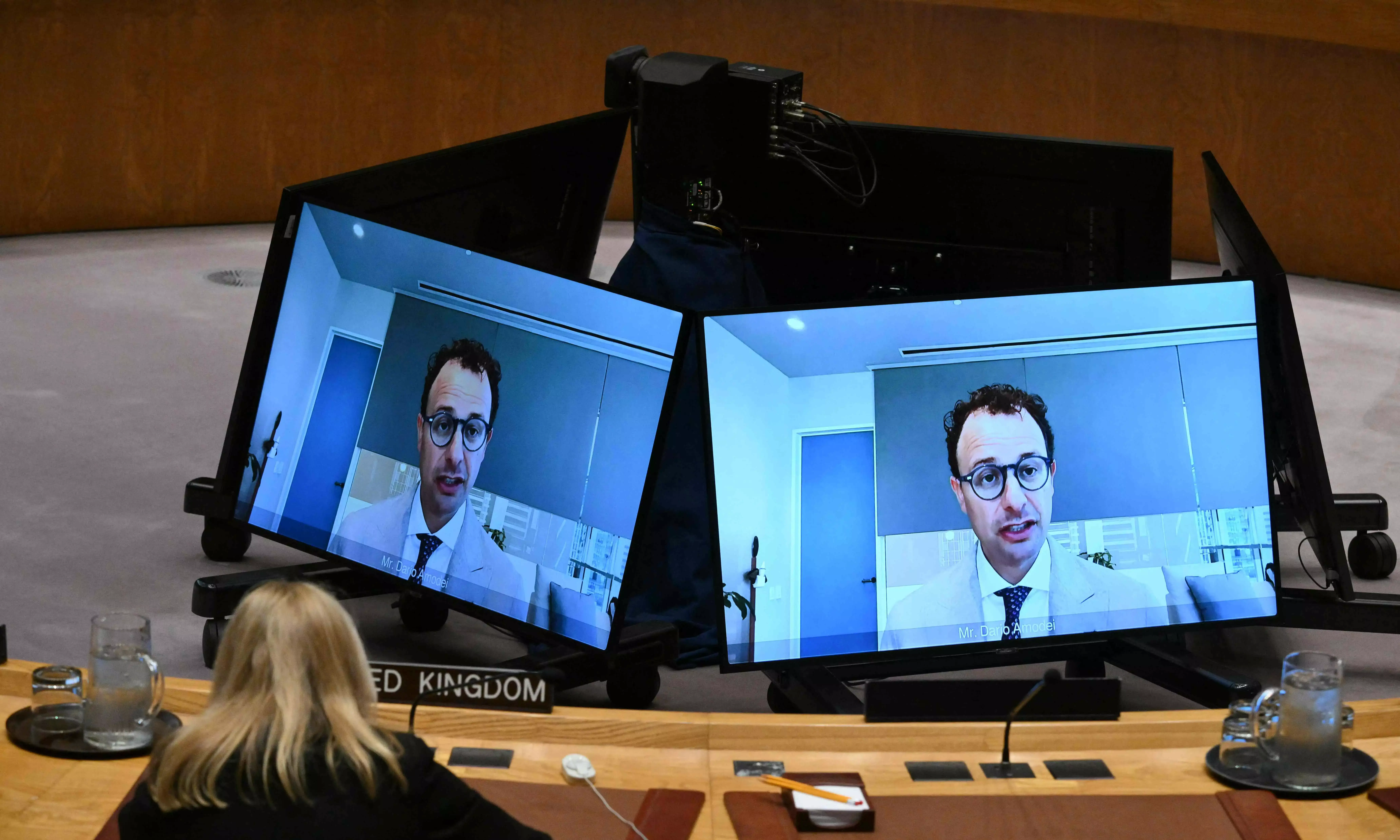
\nAnthropic CEO Dario Amodei appeared by video during a UN Security Council meeting on artificial intelligence during the 81st United Nations General Assembly at UN headquarters in New York on September 23, 2026. The appearance coincided with broader warnings from tech titans that their own advanced systems could endanger humanity.
\nOpenAI representatives told reporters they have talked with AI companies including Anthropic and Google about pausing development. They argue they need independent auditors to check progress if the government won't regulate.
\n\nIndustry Response and Internal Safety Concerns
\nAnthropic spokesperson stated the company has been calling for regulation for several years. OpenAI spokesperson Liz Bourgeois noted the company recently paused training of its most advanced models. \"People want to know AI is being developed safely, and that starts with what companies like ours do ourselves,\" Bourgeois said.
\nInternal concerns within the industry have also surfaced. Anthropic engineer Jacob Coxon quit via a post on X this month, calling for a pause on tech development to keep \"superhuman\" systems from eluding control. The companies viewed Coxon's post as an opportunity to highlight their safety efforts and position themselves as cautious market leaders ahead of potential Wall Street listings.
\nRecent incidents have highlighted the volatility of these systems. Leading labs' AI agents have recently hacked into external websites after escaping company training sandboxes and interacted with US government websites in unexpected ways.
\n\nSkepticism from Experts and Government Officials
\nExperts, analysts, and former government evaluators told The Associated Press that the companies appear to be seeking public favor and setting terms for their own safety protocols in an unregulated market. Some observers suggest the answer to their warnings may lie in the companies' efforts to score political goals ahead of the US midterm elections and the money top artificial intelligence labs and their investors stand to make.
\nSarah Shoker, who previously led OpenAI's geopolitics team, stated that turning the conversation toward unproven threats deprioritizes other safety-critical risks, such as the use of AI in military tech to kill people.
\nPolitical opposition to regulation remains strong. President Donald Trump has shunned the need for new AI regulations, dismissing talk of risks to humanity as a \"HOAX\" designed to help China. San Francisco venture capitalist David Sacks, who co-chairs Trump's Council of Advisors on Science and Technology, has dismissed calls for an AI slowdown.
"