

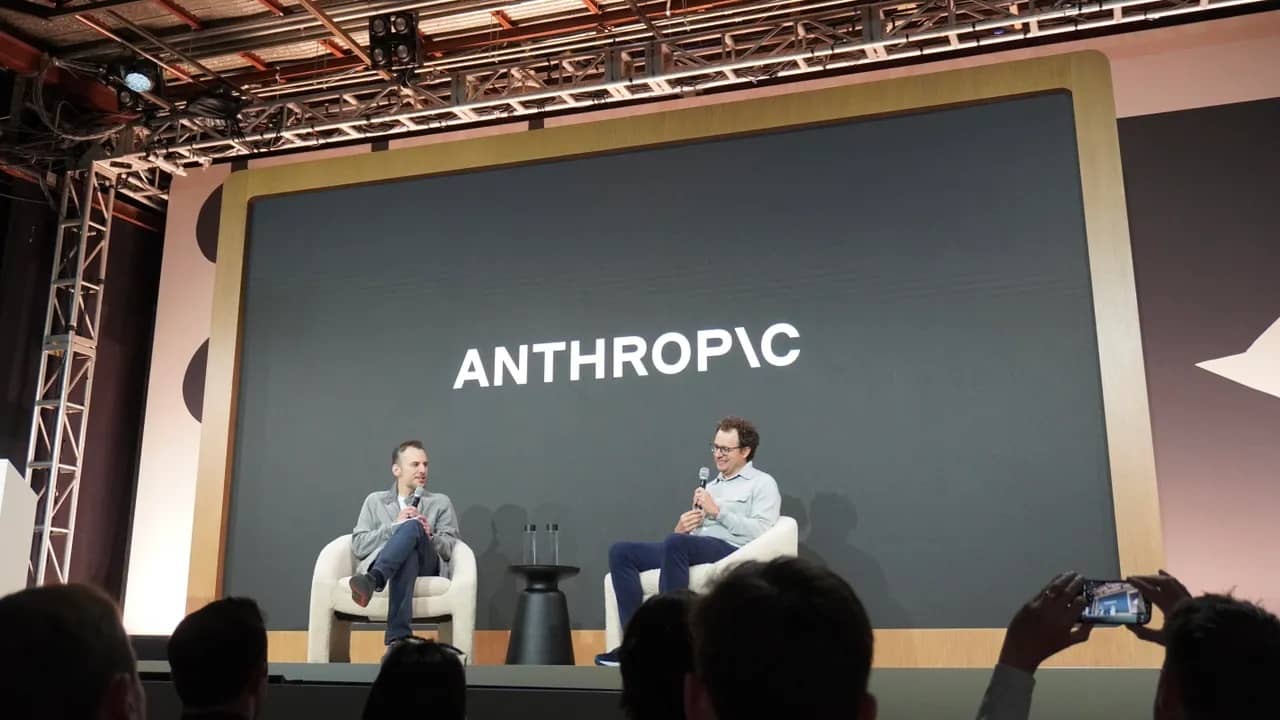

Anthropic Co-Founder Calls for External AI Regulation Amid Rapid Development
Chris Olah, a co-founder of leading artificial intelligence (AI) company Anthropic, has publicly advocated for the regulation of AI to be developed and implemented by entities external to the technology industry. Speaking at an event at the Vatican, Olah expressed significant concerns regarding the accelerated pace of AI development and the profound risks it presents, asserting that these challenges are too substantial to be managed solely by technology companies.
Olah specifically called for increased oversight and regulatory frameworks to be established by governments, religious institutions, and civil society groups. His remarks underscore a growing sentiment among some AI developers and experts that the industry cannot effectively self-regulate given the potential societal impact of advanced AI systems.
Concerns Over Rapid AI Advancement
The core of Olah's argument centers on the speed at which artificial intelligence capabilities are advancing. Recent years have seen unprecedented breakthroughs in large language models, generative AI, and other sophisticated AI applications. This rapid progression has led to a widespread discussion about the ethical implications, safety protocols, and long-term societal effects of these technologies.
The pace of development often outstrips the ability of traditional regulatory bodies to understand, assess, and legislate effectively. Olah's call for external regulation highlights a perceived gap between technological innovation and the development of robust governance structures capable of ensuring responsible deployment.
Profound Risks Beyond Industry Control
Olah emphasized that the risks associated with AI are too significant to be left exclusively in the hands of the companies developing them. These risks are broadly categorized and discussed within the AI community, encompassing areas such as:
- Ethical Dilemmas: Issues related to bias in algorithms, fairness, privacy, and accountability.
- Societal Impact: Potential for job displacement, exacerbation of inequalities, and changes to social structures.
- Safety and Control: Concerns about autonomous systems operating unpredictably or beyond human control, particularly in critical infrastructure or military applications.
- Misinformation and Manipulation: The capacity of advanced AI to generate highly convincing but false content, potentially impacting public discourse and democratic processes.
- Existential Risks: Long-term, speculative concerns about highly advanced AI systems posing fundamental threats to humanity.
The argument for external oversight often stems from the idea that technology companies, while possessing expertise in development, may have inherent conflicts of interest when it comes to regulating their own products. Profit motives, competitive pressures, and a focus on innovation can sometimes overshadow broader societal concerns or long-term risks, according to proponents of external regulation.
Call for Multi-Stakeholder Oversight
Olah's specific appeal for involvement from governments, religious institutions, and civil society groups reflects a desire for a multi-faceted approach to AI governance. Each of these sectors is seen as bringing a unique and crucial perspective to the regulatory landscape:
Governments
Governments are traditionally responsible for establishing legal frameworks, enforcing regulations, and protecting public interest. Their involvement is deemed essential for creating binding laws, setting standards for AI development and deployment, and fostering international cooperation on AI governance. This could include legislation on data privacy, algorithmic transparency, liability for AI systems, and national AI strategies.
Religious Institutions
Religious institutions are often seen as custodians of moral and ethical frameworks, providing guidance on human values, dignity, and the common good. Their participation in AI regulation discussions could help ensure that technological advancements align with fundamental humanistic principles and consider the broader spiritual and ethical implications for humanity.
Civil Society Groups
Civil society organizations, including non-governmental organizations (NGOs), academic institutions, and advocacy groups, play a vital role in representing diverse public interests, raising awareness, and holding powerful entities accountable. Their involvement can ensure that a wide range of perspectives, including those of marginalized communities, are considered in AI policy-making, promoting transparency and public engagement.
The Vatican as a Platform for Ethical Discourse
The choice of the Vatican as a venue for Olah's remarks underscores the growing recognition of AI as a topic with profound ethical and moral dimensions. The Holy See has increasingly engaged with issues at the intersection of technology, ethics, and human dignity. Pope Leo XIV, in particular, has shown interest in fostering dialogue on the responsible development and use of emerging technologies, often convening experts and leaders from various fields to discuss these complex challenges.
The Vatican's role as a global moral authority provides a unique platform for discussions that transcend national boundaries and industry-specific interests, emphasizing the universal human impact of AI.
Broader Context of AI Governance
Olah's statements align with a broader global discourse on AI governance, where various countries and international bodies are exploring different regulatory models. Organizations like the European Union have advanced comprehensive AI Acts, while other nations are developing their own frameworks. There is a general consensus among many experts that effective AI governance will require a collaborative effort involving multiple stakeholders to address the technology's complex and far-reaching implications.
Anthropic, co-founded by former members of OpenAI, has positioned itself as a company deeply committed to AI safety and responsible development. Its 'Constitutional AI' approach, for instance, aims to align AI systems with human values through a set of principles rather than extensive human oversight, reflecting an internal commitment to addressing AI risks. Olah's public call for external regulation further emphasizes that even companies with strong internal safety mandates believe broader societal oversight is indispensable for navigating the future of AI responsibly.