


Three-Judge Panel Denies Appeal Against Kennedy Center Order
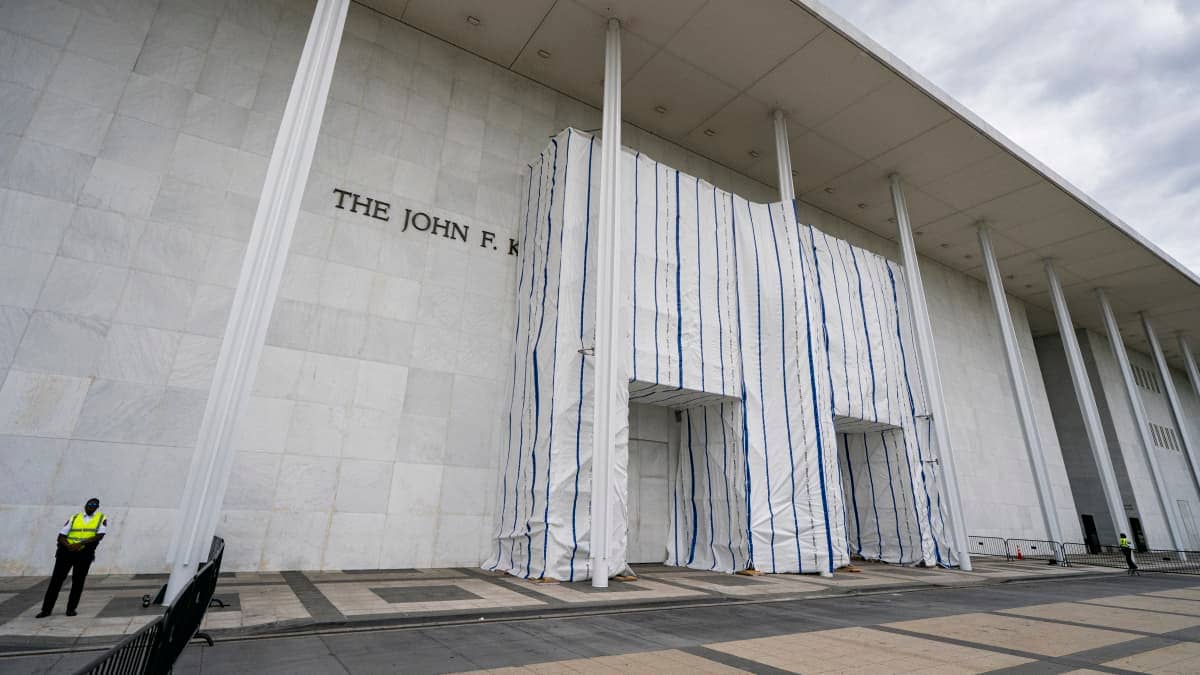
A federal appeals court has ruled against a request made by President Donald Trump to reinstate his name on the facade of the John F. Kennedy Center for the Performing Arts in Washington.
The decision was issued by a three-judge panel sitting on the U.S. Court of Appeals for the District of Columbia Circuit. The ruling rejects an appeal filed by the former president seeking to restore his nameplate at the cultural institution located along the Potomac River.
According to court documents and reporting from July 8, 2026, the appellate body determined that Trump failed to provide sufficient evidence regarding potential harm. Specifically, the judges found no proof that the Kennedy Center's fundraising efforts would be negatively impacted by the continued absence of his name attached to its exterior.
The court noted that while the former president argued for the restoration of the signage as part of a broader legal dispute over funding restrictions and naming rights conditions, he did not meet the evidentiary standard required at this stage of litigation. The panel emphasized that without concrete data or expert testimony linking his name's presence directly to financial outcomes, the lower court’s original order stands.
This ruling marks another procedural step in a series of legal maneuvers involving the center and its federal funding status. The case centers on whether the removal of Trump's name was a condition attached to the institution receiving tax-exempt status or government grants, though that specific argument remains part of the broader litigation context rather than this particular appellate decision.
Timeline of Nameplate Removal and Legal Proceedings
The physical alteration at the Kennedy Center occurred earlier in 2026. On June 12, Trump's name was removed from the center’s facade as part of an order mandating its removal.
That date remains fixed in court records and news reports covering the development through July 8, when the appellate decision was finalized. The absence of his nameplate is expected to continue during the duration of any further appeals or related legal processes that may follow this rejection.
The center’s leadership has maintained its position regarding compliance with federal regulations tied to funding eligibility. Officials stated they acted in accordance with directives received from relevant oversight bodies concerning naming rights associated with publicly funded institutions.
Legal Arguments and Evidentiary Standards
In his appeal, Trump sought judicial intervention based on claims that the removal violated contractual obligations or established precedents regarding donor recognition. However, during appellate review, he was required to present compelling evidence supporting those assertions.
The three-judge panel reviewed submissions from both sides of the dispute but concluded that insufficient proof had been offered concerning financial consequences tied specifically to his nameplate’s presence or absence.
Implications for Future Litigation
This decision does not resolve all aspects of the underlying controversy involving federal funding conditions and naming rights at performing arts venues. It addresses only whether Trump succeeded in overturning the specific order removing his nameplate based on alleged fundraising harm. Further legal challenges could emerge depending on how lower courts interpret remaining issues related to tax-exempt status, donor agreements, or executive authority over cultural institutions receiving public funds.
Legal analysts suggest that future filings will likely focus on procedural grounds rather than repeating arguments already rejected at this level. The appellate court’s emphasis on evidentiary thresholds sets a precedent for similar cases involving federal funding and naming rights disputes. The Kennedy Center remains open to the public with its nameplate configuration unchanged since June 12, pending any new developments in ongoing litigation.