



Convention Concludes Amid Rising Political Scrutiny
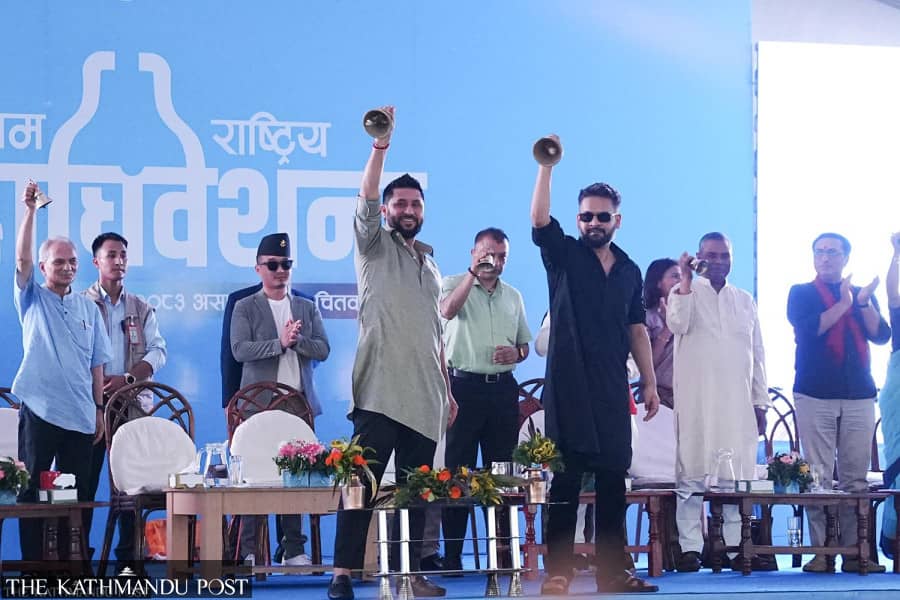
The ruling Rastriya Swatantra Party (RSP) in Nepal convened its first General Convention on Sunday. The gathering took place in Chitwan and was scheduled to conclude that same day, according to reports from June 24, 2026.
Leaders of the party attended the opening ceremony held at this location. This event marked a significant milestone for an organization launched merely four years prior. The RSP has experienced what observers describe as a dramatic rise in popularity during its short existence.
This surge is largely attributed to social media engagement, which helped attract youth and individuals seeking alternative political options within the Nepalese system. Thousands of people participated enthusiastically in the convention proceedings. A significant portion of these attendees were young voters eager to establish new forms of politics distinct from established parties.
Significant Dalit Participation Reported
The convention drew substantial numbers of participants identifying as Dalits, according to accounts provided by Mitra Pariyar for The Kathmandu Post. This demographic presence was noted specifically within the context of a party that had only recently entered national politics.
Pariyar wrote on June 12, 2026, regarding these developments under the title "Is Nepal's RSP overlooking Dalit issues?" The article appeared via Asia News Network. This publication date precedes the convention conclusion reported later in June.
Complications for Justice Seekers
A central theme of the reporting concerns how seeking justice for victims of caste hatred has reportedly become more complicated under the RSP administration. Mitra Pariyar raised this specific point as a primary observation following the events at Chitwan.
The article suggests that despite physical presence and participation numbers, underlying tensions regarding representation remain active within the party structure. The text does not provide further elaboration on specific instances of alleged neglect or detailed policy failures beyond the general statement about complicated justice-seeking processes.
Contextualizing Party Growth
The rapid ascent of the Rastriya Swatantra Party occurred against a backdrop of shifting voter dynamics in Nepal. Social media platforms served as primary engines for this growth, allowing direct engagement with younger demographics who felt disconnected from traditional political machinery.
Analysts noted that the party's launch four years ago coincided with broader trends toward digital-first campaigning across South Asia. This strategy enabled rapid mobilization without requiring decades of organizational infrastructure typically associated with major parties in developing nations.
Youth Engagement as a Double-Edged Sword
The enthusiasm displayed by youth participants at the Chitwan convention highlighted both potential and challenges for emerging political movements. While their energy fueled attendance figures, questions remained about whether such engagement translated into sustained policy advocacy on sensitive issues like caste discrimination.
Media coverage emphasized that thousands of attendees included people from marginalized communities hoping to find representation within a new framework. However, the same reports indicated skepticism among some observers regarding how quickly these parties can address deeply entrenched social hierarchies once elected or in power.
Ongoing Questions About Representation
The headline question posed by Mitra Pariyar focused specifically on whether current leadership priorities align with historical demands from Dalit communities. No direct quotes were attributed to RSP leaders responding to these specific criticisms within the available reporting text at this stage.
Instead, the narrative centered on external observations made after the convention concluded. The timing of the article relative to the June 21 opening ceremony and its publication date suggests immediate reaction rather than long-term analysis of governance outcomes.
Publisher Perspective
Asia News Network published this piece as part of their ongoing coverage of Nepalese political developments under a section labeled "Nepal" within their Geopolitics category. The article maintained neutrality by attributing all claims to the writer or general reporting rather than stating them as absolute facts.
The structure allowed readers to assess whether participation numbers equated to substantive inclusion without inserting editorial judgment into the text itself.Subsequent sections in broader coverage often explore similar themes regarding minority representation across various political parties operating within Nepal's federal system. The RSP case serves as a specific example where rapid organizational growth intersects with complex social justice imperatives.