


Aragón Suspends School Fruit Program Citing Origin of Produce
The regional government of Aragón has announced the suspension of its school fruit consumption program, a decision primarily driven by concerns over the origin of the produce distributed to schoolchildren. The initiative, previously aimed at promoting healthy eating habits and supporting the agricultural sector, will be halted to ensure that future iterations exclusively feature local products.
Minister of Agriculture Announces Suspension
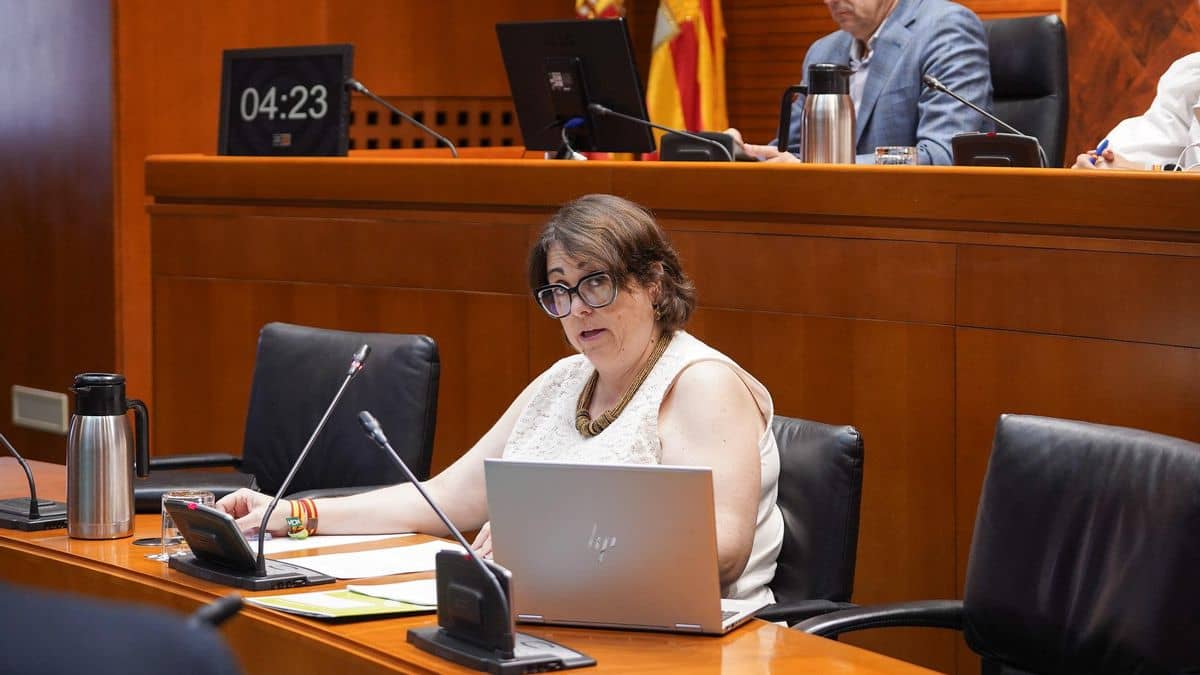
The suspension was made public by Arancha Simón, the Minister of Agriculture, Livestock, and Food for Aragón, who represents the Vox party within the coalition government. Simón delivered the announcement during her inaugural appearance before the Sectoral Commission of the Cortes de Aragón on Monday. She stated that the executive had "desisted from the contracts" associated with the program, deeming it unacceptable for a public initiative intended to bolster the agricultural sector to inadvertently benefit producers from other countries.
During her address, Minister Simón emphasized the government's stance, asserting, "No podemos entregar a nuestros niños peras de Sudáfrica o naranjas de Egipto mientras en Aragón se produce fruta de calidad excepcional." (We cannot give our children pears from South Africa or oranges from Egypt while exceptional quality fruit is produced in Aragón.) This statement underscored the administration's commitment to prioritizing local agricultural output within publicly funded programs.
Commitment to Local Produce and Future Reactivation
Minister Simón outlined the government's intention to "revisar y valorar esos contratos" (review and evaluate these contracts) to guarantee that any future reactivation of the program will involve "fruta de calidad y de proximidad" (quality fruit and local produce). The objective is to align the program more closely with the support of Aragonese farmers and the promotion of regional agricultural products.
Despite inquiries from several opposition groups regarding specific timelines for the program's resumption, Minister Simón did not provide concrete dates. She affirmed that while fruit distribution is paused, educational and food literacy activities within schools will continue. Simón highlighted the importance of these ongoing efforts, stating, "Enseñar a comer bien y a valorar los productos de nuestra tierra también es defender a nuestros agricultores." (Teaching to eat well and to value the products of our land is also defending our farmers.)
Background and Policy Context
The decision to suspend the program follows a period of public discussion regarding the origin of fruit supplied to schools under the previous administration. Several months prior, it was reported that some deliveries to educational centers included produce sourced from outside Spain, which sparked debate about the program's effectiveness in supporting domestic agriculture. This prior controversy, which occurred while Javier Rincón served as the previous counselor, contributed to the current government's review of the program's implementation.
The regional government's move also aligns with its broader policy positions on international trade. The PP-Vox coalition in Aragón has expressed opposition to the proposed free trade agreement between the European Union and Mercosur. This opposition reflects a general preference for protecting and promoting local agricultural markets against perceived competition from foreign imports, a principle that Minister Simón's announcement on the school fruit program appears to echo.