

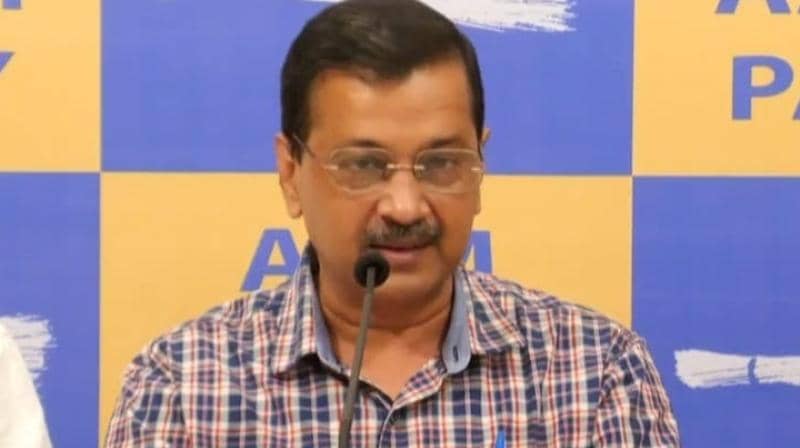

Allegations Regarding Access to Medical Care in Goa
Around July 7, 2026 at approximately 2:25 AM, reports surfaced indicating that Arvind Kejriwal has publicly criticized the current state of medical infrastructure within the Indian union territory and state of Goa. According to statements attributed to Kejriwal, he concluded that existing hospitals in the region function primarily as facilities where only the wealthiest individuals and politically influential figures receive treatment.
The core assertion made by Kejriwal is that the healthcare system has effectively collapsed under current conditions. He stated this directly regarding the situation on the ground, suggesting a systemic failure rather than isolated incidents of poor service or resource allocation. This characterization implies a breakdown in equitable access to medical services for the general population.
In his assessment, Kejriwal highlighted that the disparity in healthcare delivery leaves significant portions of the citizenry without adequate support when facing critical health emergencies. The focus of these remarks centers on the exclusionary nature of current hospital operations, where financial status and political connections appear to dictate access levels rather than medical need or triage protocols.
These comments were delivered as part of a broader critique directed at the state administration. Kejriwal specifically addressed the leadership responsible for maintaining public health standards in Goa. By labeling the system as collapsed, he indicates that current measures are insufficient and require immediate intervention to restore functionality and fairness within the medical sector.
The specific nature of this collapse involves both infrastructure limitations and administrative failures regarding patient prioritization. Kejriwal's analysis suggests that without structural changes, the gap between those who can afford private care or have political leverage and those relying on public facilities will continue to widen. This dynamic creates a two-tier system where life-saving treatments are inaccessible to most residents.
Comparative Analysis of Healthcare Models
To address these perceived deficiencies, Kejriwal has urged the Chief Minister of Goa to learn from the model adopted by Punjab. He explicitly called for the state government in Goa to adopt administrative and financial strategies similar to those implemented in neighboring Punjab.
This recommendation suggests that Kejriwal views the healthcare framework currently operating in Punjab as a viable template for resolving issues facing Goa. The implication is that certain policies, funding mechanisms, or operational structures utilized by the Punjab administration offer solutions applicable to other regions with comparable challenges.
By pointing toward Punjab, Kejriwal indicates that successful governance exists elsewhere within India and can be replicated in Goa. This comparative approach avoids inventing new theories but instead leverages existing successes from another state government as a blueprint for reform.
The specific elements of the Punjab model being referenced likely include mechanisms for ensuring broad-based access to care, potentially involving insurance schemes or direct funding models that prevent out-of-pocket expenditure barriers. Kejriwal's endorsement implies confidence in these methods without detailing every single component, focusing instead on the overall efficacy and replicability of the approach.
Adopting such a model would theoretically allow Goa to bypass some of the structural hurdles currently hindering its healthcare delivery. It suggests that political will alone is insufficient; rather, proven administrative strategies from other jurisdictions must be integrated into local planning efforts.
Calls for Financial Intervention and Insurance Schemes
Central to Kejriwal's proposal is a specific financial intervention: the introduction of a health insurance scheme in Goa with coverage limits reaching Rs 10 lakh. He called directly for this initiative as part of his broader strategy to repair the collapsed healthcare system.
The proposed scheme aims to provide substantial financial protection against high-cost medical procedures and treatments. A limit of Rs 10 lakh per individual or family would cover a wide range of critical interventions, potentially including surgeries, chemotherapy, organ transplants, and other expensive therapies that currently drive patients into debt or force them to seek care in inaccessible private facilities.
Kejriwal's advocacy for this specific figure suggests an understanding of the cost structures involved in modern medical treatment within India. The Rs 10 lakh threshold is intended to shield citizens from catastrophic health expenses, ensuring that financial constraints do not delay or deny necessary life-saving care.
This insurance proposal aligns with Kejriwal's previous political stances on social welfare and healthcare accessibility, though this specific call targets the unique crisis in Goa. The scheme would presumably be funded through state resources or a combination of government and private contributions, ensuring sustainability over time.
Political Context and Administrative Response
The statements made by Arvind Kejriwal carry significant weight given his role as the leader of the Aam Aadmi Party (AAP) in Delhi. His public intervention highlights a cross-regional concern regarding healthcare governance that extends beyond local boundaries.
While the source context notes various other political events occurring simultaneously, such as meetings involving Punjab Chief Minister Bhagwant Mann and legal developments concerning Kejriwal himself at Delhi court, these specific details do not contradict or alter his direct statements about Goa. The focus remains strictly on his critique of Goa's medical infrastructure.
Kejriwal has concluded that the current situation in hospitals is unsustainable for a functioning democracy where all citizens deserve equal access to health services. His comments serve as an external pressure point intended to prompt immediate action from the Goa Chief Minister and their cabinet.
The demand for adopting Punjab's model alongside launching the insurance scheme represents a dual-pronged approach: learning from successful governance elsewhere while simultaneously injecting necessary financial resources directly into the system. This combination addresses both administrative inefficiencies and funding gaps identified in his assessment of the situation.