

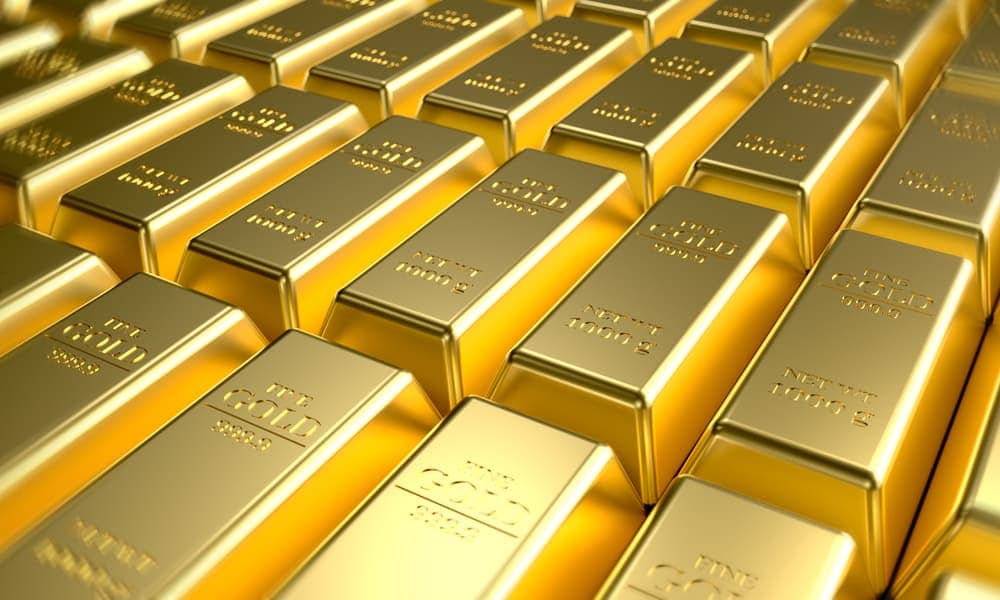

Market Recovery Amid Price Decline
Physical gold demand in major Asian markets showed tentative signs of recovery during the week of June 20, 2026. Prices fell to their lowest levels in more than two months.
The lower price environment encouraged bargain hunters to return to the market. Dealers in India offered discounts of up to $35 per ounce as jewelry buyers were attracted by these reduced prices.
Geopolitical Context and Price Volatility
Renewed hostilities in the Middle East on June 3, 2026, had previously raised doubts about U.S.-Iranian negotiations. These tensions contributed to a decline in gold prices.
Gold prices fell to approximately $4,460 per ounce on June 3, 2026, amid reports of halted U.S.-Iran talks and ongoing regional attacks.
Diplomatic Developments
The United States and Iran announced a framework agreement on June 15, 2026. The agreement includes a 60-day ceasefire and the reopening of the Strait of Hormuz. It aims to facilitate negotiations on Iran's nuclear program and is expected to ease global energy markets.
U.S. President Donald Trump and Iranian President Masoud Pezeshkian formally signed a Memorandum of Understanding (MOU) at Versailles on June 18, 2026.
Ongoing Disagreements
Major issues remain unresolved despite the agreement. Unresolved aspects include Iran's nuclear program, enforcement mechanisms, sanctions relief, and shipping governance in the Strait of Hormuz.
Gold Price Movements Following Agreement
On June 15, 2026, gold gained more than 3%, rebounding to around $4,369 after the announcement of the U.S.-Iran ceasefire.
Gold rose to approximately $4,330 per ounce after the formal signing of the interim peace agreement on June 18, 2026.
Institutional Forecasts and Analysis
On June 19, 2026, gold fell to $4,151.74 USD per troy ounce. This marked an 8.52% decline over the past month.
Goldman Sachs cut its year-end 2026 gold price forecast by $500 to $4,900 per ounce on June 19, 2026. The firm cited an increased likelihood of the U.S. Federal Reserve raising interest rates as a factor.
Barclays stated on June 15, 2026, that despite recent price drops, long-term structural drivers for gold remain robust and anticipated a rebound.
J.P. Morgan Global Research forecasts gold to reach $6,000 per ounce by year-end 2026 and potentially $6,300 per ounce by 2027. The firm noted that future demand and price stability depend on geopolitical resolutions and Federal Reserve policy.
Regional Demand Dynamics
In India, gold demand slightly increased in the week of June 12, 2026. However, caution persisted among buyers.
India's gold import duty was raised from 6% to 15% in May 2026. This change is projected to reduce 2026 demand by 50-60 tonnes.
China Market Activity
In China, gold premiums eased as of June 12, 2026.
The People's Bank of China (PBoC) continued its gold buying streak for the 19th consecutive month in May 2026. The central bank added 10 tonnes and increased official holdings to 2,332 tonnes.
Civilian wholesale demand in China reached a 16-year low in May 2026.
Asian Market Infrastructure
Asia accounts for approximately 70% of annual consumer gold demand. The region is considered a significant driver of both consumption and investment flows.
Asian hubs like Hong Kong and Singapore are working to expand their gold market infrastructure. Plans include new vaults, clearing services, and 24/7 trading facilities.
Singapore plans to launch an over-the-counter (OTC) gold clearing service by the end of 2026.
Investor Sentiment
Demand for gold in Asia remains high despite skepticism from investors in the U.S. and Europe. Persistent uncertainty surrounding the implementation of the U.S.-Iran peace framework continues to restrain broader buying activity, particularly among investors awaiting clearer geopolitical and monetary policy signals.