


Official Declaration Marks End of Hostilities
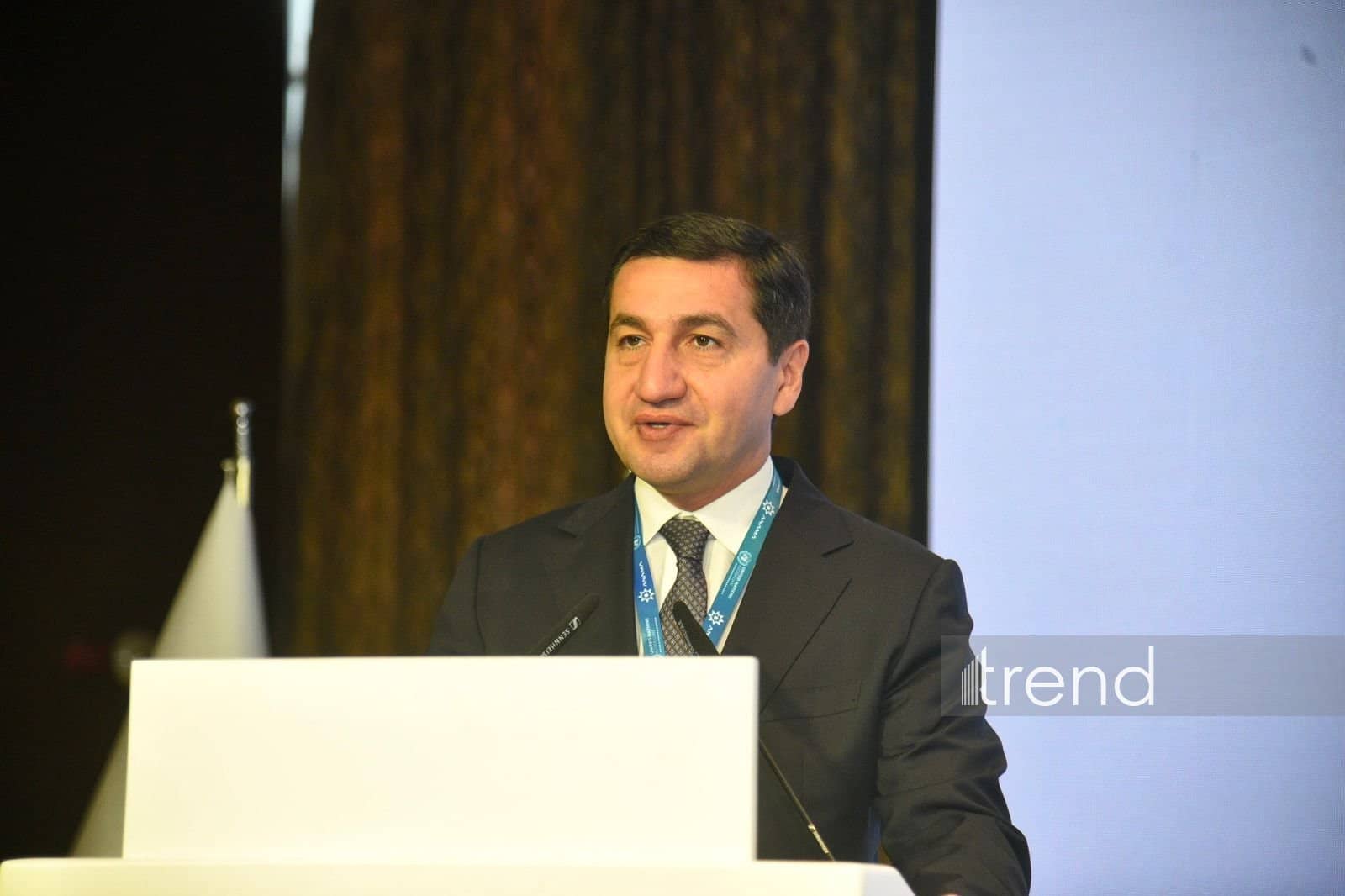
KHANKENDI, Azerbaijan — Hikmet Hajiyev, Assistant to the President of Azerbaijan and Head of the Foreign Policy Affairs Department of the Presidential Administration, declared that Azerbaijan considers its conflict with Armenia to be over. The statement was delivered during a visit to the region by representatives of the diplomatic corps accredited in Azerbaijan.
Hajiyev made his remarks while addressing the assembled diplomats at the Culture Center in Khankendi. His comments coincided with a visit to Karabakh and East Zangezur, areas that have been central to recent geopolitical shifts in the South Caucasus. By declaring the conflict resolved, Hajiyev signaled a definitive shift in the official stance of the Azerbaijani government regarding its long-standing dispute with its western neighbor.
The declaration was not made in isolation but was framed within the context of recent diplomatic milestones. Hajiyev noted that Azerbaijan is currently marking the first anniversary of an initial peace agreement between the two nations. This anniversary also marks the establishment of interstate relations between Armenia and Azerbaijan, a development that has fundamentally altered the political landscape of the region.
Presidential Directives and Diplomatic Observations
In his speech, Hajiyev directly quoted President Ilham Aliyev to reinforce the government's position. "The conflict is over for Azerbaijan," Hajiyev stated, attributing the sentiment to the president. This quotation served as the primary anchor for the administration's narrative that hostilities have formally ceased and that the focus has shifted entirely to post-conflict development and regional stability.
The presence of the diplomatic corps provided a platform for this announcement, allowing foreign envoys to witness the current conditions in Khankendi firsthand. Hajiyev used the occasion to outline Azerbaijan's future trajectory, indicating that the country will continue to make further efforts to establish lasting peace in the region. This assurance was directed at both domestic audiences and international observers, aiming to project an image of a government committed to long-term stability rather than continued confrontation.
Describing the Reality of Post-Conflict Life
Beyond the political declarations, Hajiyev offered a personal reflection on the current atmosphere in the region. He described the experience of living in peace as a "magnificent feeling." According to Hajiyev, this sentiment is one that "cannot be expressed in other words," suggesting a profound change in the daily reality for residents and officials alike.
He emphasized that Azerbaijan is actively learning to live in peace and is moving forward in this direction. This statement implies a transitional period where the habits of conflict are being replaced by the routines of coexistence and reconstruction. The language used by Hajiyev focused on the positive aspects of this new reality, highlighting the emotional and psychological shift accompanying the political resolution.
Continued Efforts for Regional Stability
While declaring the conflict over, Hajiyev clarified that this does not mean a cessation of all diplomatic activity. Instead, he pointed out that Azerbaijan will continue to make further efforts to establish lasting peace in the region. This distinction suggests that while active hostilities have ended, the work of solidifying peace agreements and maintaining interstate relations remains an ongoing priority for the Presidential Administration.
The visit to Khankendi served as a practical demonstration of this new phase. By hosting accredited diplomats in a location that was previously a flashpoint for conflict, Azerbaijan is showcasing its control over the territory and its commitment to normalizing life there. The Culture Center, chosen as the venue for Hajiyev's speech, stands as a symbol of this normalization, providing a space for cultural and diplomatic engagement rather than military or security-focused interactions.
The remarks come at a time when the first anniversary of the initial peace agreement is being observed. This timeline provides a benchmark for measuring progress in the establishment of interstate relations. Hajiyev's statements reflect an official confidence that the foundational agreements have held and that the trajectory toward a permanent resolution is secure.
Implications for Interstate Relations
The establishment of interstate relations between Armenia and Azerbaijan is a key component of the current diplomatic framework. By referencing this development, Hajiyev underscored the formalization of ties that were previously non-existent or severed. The acknowledgment of this milestone by high-ranking officials indicates that both sides have engaged in processes to normalize their relationship, even if the full implementation of all peace terms may still be under negotiation.
As Azerbaijan moves forward, the focus remains on the practical application of these agreements. Hajiyev's description of peace as a "magnificent feeling" serves to humanize the political process, framing it not just as a series of treaties but as a tangible improvement in quality of life for those living in the region. The continued efforts to establish lasting peace will likely involve further diplomatic engagement with Armenia and regional partners, ensuring that the current cessation of conflict is maintained over the long term.