

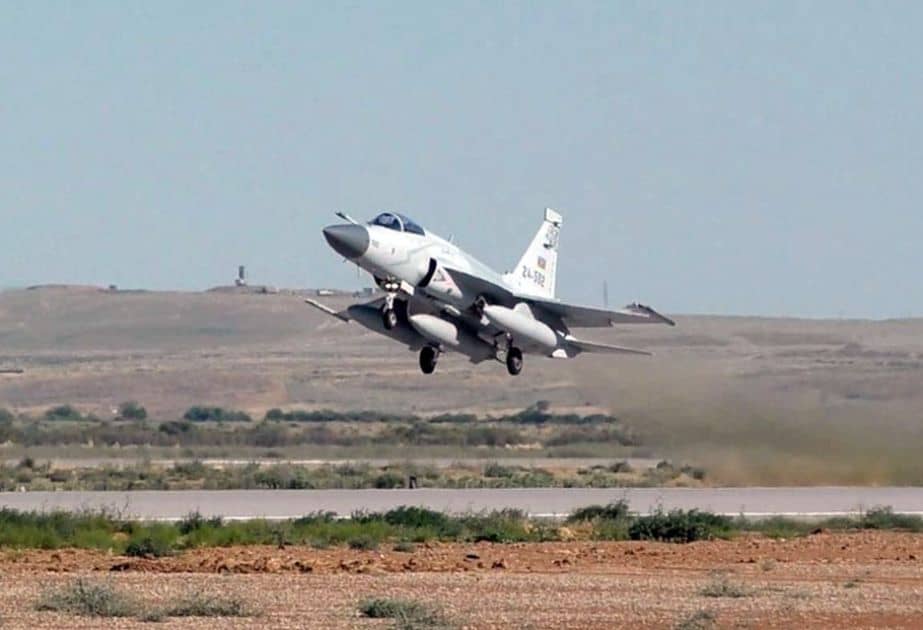

Training Flights Initiate Under Approved Plan
The Azerbaijani Air Force has conducted a comprehensive series of training flights, meticulously planned and executed in accordance with its 2026 training plan. This ambitious schedule, designed to ensure the continuous enhancement of the nation's aerial defense capabilities, received official approval from the country's Minister of Defence. Reports from AzerNEWS, published on July 7, 2026, highlighted the strategic importance placed on these exercises by the Azerbaijani military leadership, underscoring a commitment to maintaining a robust and modern air force.
The commencement of the drills followed a rigorous preparatory phase, underscoring the Azerbaijani Air Force's commitment to safety and operational readiness. According to statements released by the ministry, all flight personnel underwent thorough medical examinations to ensure peak physical condition and mental acuity required for demanding aerial operations. Following these initial health checks, comprehensive safety briefings were distributed among all participants, covering emergency procedures, communication protocols, and mission parameters. Crucially, technical inspections of all aircraft involved in the program took place immediately before takeoff was authorized, ensuring every platform met stringent airworthiness standards and was fully prepared for the practical phase of the drills.
Modern Aircraft Bolster Air Force Capabilities
The practical flight program featured a specific and strategically chosen mix of military aviation assets, reflecting the Azerbaijani Air Force's evolving inventory and operational doctrine. Among the primary aircraft utilized during these sessions were the advanced JF-17C, specifically designated as Block III models. These multi-role fighters represent a significant modernization effort within the fleet, bringing enhanced capabilities to Azerbaijan's air defense and offensive operations, and their integration into such exercises signifies their operational readiness.
In addition to the modern Chinese-made JF-17C fighters, the exercises integrated other vital components of the air force. Su-25ML ground attack jets, an upgraded variant known for its close air support capabilities, participated alongside standard Su-25s, which remain workhorses for ground attack missions. The L-39 trainer aircraft also played a crucial role, likely facilitating advanced pilot training, simulating aggressor roles for combat scenarios, and supporting various instructional objectives. The inclusion of diverse aircraft types underscores an intent to foster interoperability and integrated operational effectiveness across the fleet, allowing different platforms to operate cohesively in complex scenarios.
Pilots Execute Coordinated Missions
During the duration of the drills, pilots carried out a broad range of operational training missions designed to hone individual skills and collective teamwork. The flight crews performed both individual flights, focusing on precision and maneuverability, and complex formation flying maneuvers, which demanded exceptional coordination and air discipline among multiple aircraft. These activities required practitioners to execute coordinated air operations across different sectors of airspace, simulating complex tactical environments that would demand seamless communication and synchronized movements between air and potentially ground assets.
The curriculum for these exercises included simulated combat missions meticulously designed to replicate battlefield conditions without the use of live ordnance or actual enemy opposition. These scenarios encompassed various aspects of aerial warfare, from air-to-air engagements to air-to-ground strike simulations, testing pilots' ability to adapt to dynamic threats. Pilots also conducted intricate tactical manoeuvres intended to test agility, reaction times, and strategic positioning under simulated pressure, such as evasive actions or offensive positioning. Furthermore, a critical component of the training focused on target identification protocols, ensuring rapid and accurate recognition of designated targets, followed by engagement procedures against these targets within the simulation environment, emphasizing precision and effectiveness in mission execution.
Decision-Making Under Operational Scenarios
A significant component of the exercise involved improving decision-making skills for flight crews operating under special operational scenarios. These scenarios were crafted to present pilots with dynamic and challenging situations, such as unexpected threats, rapidly changing tactical landscapes, or simulated system malfunctions, forcing them to make critical choices under pressure and within strict time constraints. The drills were explicitly designed to enhance combat readiness and professional proficiency among all participants in the Azerbaijani Air Force, ensuring they can respond effectively and decisively to unforeseen circumstances in real-world operations.
Particular emphasis was placed on ensuring the safe execution of missions while maintaining accuracy in target engagement. This dual focus is paramount in real-world operations, where precision can minimize collateral damage and safety ensures the preservation of valuable assets and personnel. Training conditions varied significantly to include different meteorological factors, such as changing weather patterns that could affect visibility or navigation systems, forcing pilots to adapt their strategies. Tactical conditions were also altered throughout the day, introducing new variables and preventing pilots from relying solely on rote memorization, thereby fostering adaptability, critical thinking, and robust problem-solving skills.
Strategic Objectives and Force Readiness
The overarching goal of these training forms is to strengthen the operational effectiveness of Azerbaijan's armed forces through regular, combat-oriented exercises. The ministry stated that this comprehensive approach aims to improve the overall preparedness of its military assets for potential future engagements, aligning with the nation's broader defense strategy to safeguard its sovereignty and interests.
A key objective identified by officials was improving the combat employment capabilities of the Air Force's aviation assets. By integrating various aircraft types, such as the JF-17C, Su-25ML, Su-25, and L-39, into a single exercise, the force seeks to ensure robust interoperability between different platforms during joint operations. This multi-platform integration is vital for executing complex missions that may require a combination of air superiority, ground attack, and reconnaissance capabilities, allowing for a more flexible and potent response to diverse threats.
Commitment to Continuous Improvement and Safety
The training regimen prioritized the safe execution of missions under varying conditions, reflecting a deep institutional commitment to protecting personnel and equipment. This focus extends beyond simple mechanical operation to include the heightened situational awareness required when weather turns adverse or tactical situations deteriorate rapidly. Pilots are trained not only on how to operate their aircraft but also on how to assess and mitigate risks in dynamic environments, ensuring mission success while minimizing potential hazards.
AzerNEWS reported that these exercises are part of a broader, ongoing effort by Azerbaijan to maintain exceptionally high standards within its air force. The regularity and intensity of such drills suggest an institutional commitment to keeping flight crews sharp, proficient, and adaptable to evolving threats and technologies. Furthermore, it ensures that advanced equipment, like the new JF-17C Block III jets, is fully integrated and maintained according to strict safety protocols established before the start of each training session, thereby maximizing their operational lifespan and effectiveness in any given scenario.