


A Former Presidential Aide's Assessment of Kwankwaso's Political Standing
Bashir Ahmad, who previously served as a presidential aide, has publicly asserted that Senator Rabiu Musa Kwankwaso’s recent decision to align with the Nigeria Democratic Congress (NDC) marks a significant and costly political maneuver. According to Ahmad, this move has directly led to a noticeable decline in Kwankwaso’s long-established political influence within Kano State, a region where the senator has historically commanded substantial support.
Ahmad conveyed these strong assertions through a post on the social media platform X, responding to a series of emerging reports that detailed potential political realignments occurring among members of Kwankwaso’s established political camp in Kano. His commentary on the platform suggested that the former governor might be experiencing regret over his choice to switch parties. The specific text of Ahmad's post, as reported, stated: “Sen. Kwankwaso must be regretting his decision to join the NDC. The move appears to be costing him the political ground he once firmly held in Kano.” This statement draws a direct and critical link between Kwankwaso’s new party affiliation and a perceived erosion of his political base and standing in the strategically important northern state.
The claims made by Ahmad are situated within a broader national discourse concerning the fluid and often unpredictable dynamics of Nigerian politics, particularly evident in the northern states. Ahmad’s observation, coming from a former insider, underscores concerns among some political observers that Kwankwaso’s previously unshakeable dominance in Kano may be weakening as a direct consequence of his departure from his former political platform and his embrace of the NDC.
High-Profile Affiliation with the Nigeria Democratic Congress
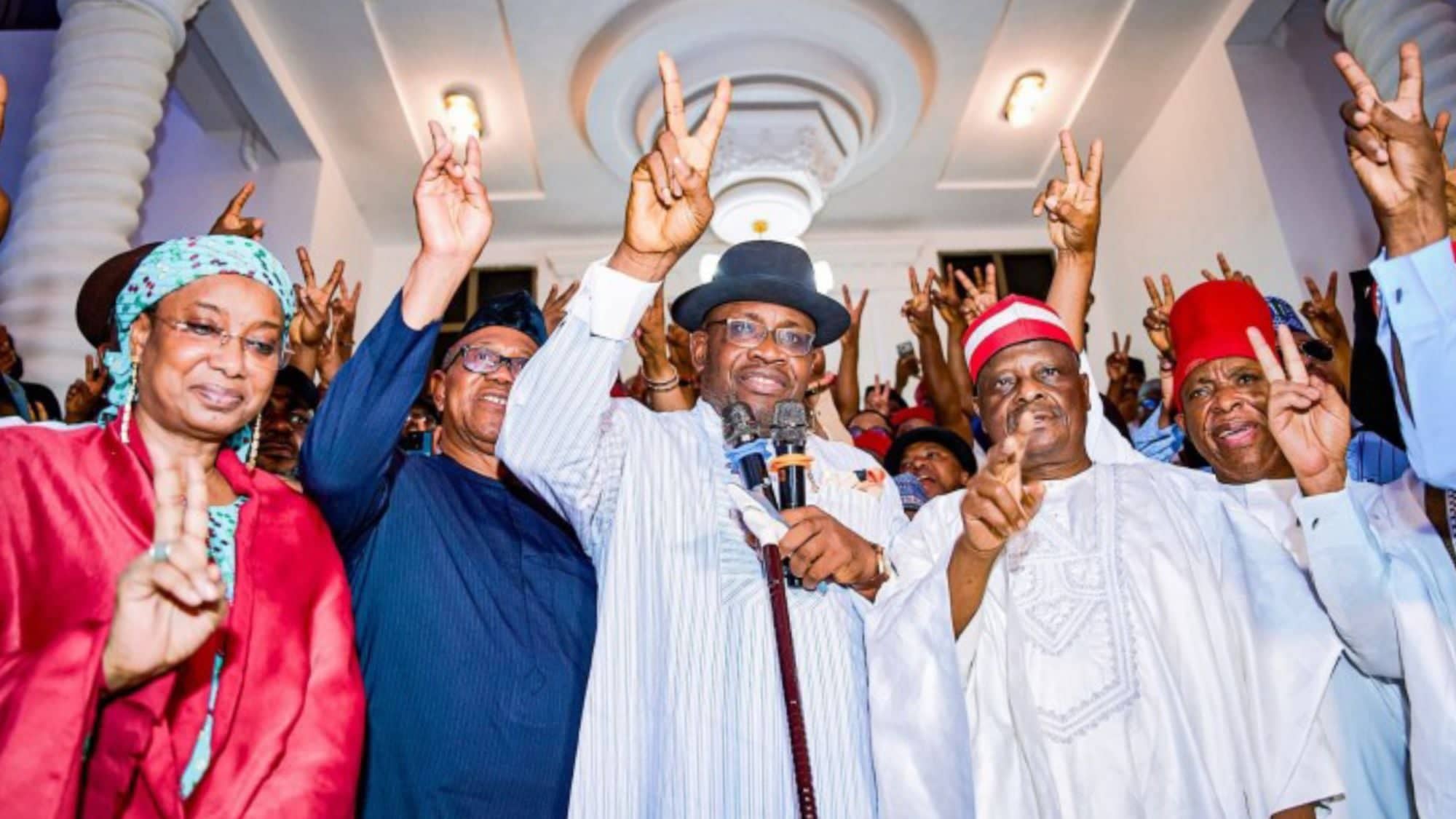
The immediate backdrop for Ahmad’s pointed comments is the recent and widely reported formal entry of two prominent Nigerian political figures into the Nigeria Democratic Congress. Reports confirm that both Senator Rabiu Kwankwaso and Peter Obi have officially joined the NDC. This high-profile recruitment is widely seen as a significant development, fundamentally altering the landscape of opposition politics across Nigeria and drawing considerable attention to the strategic calculations underpinning these leaders' decisions.
The formalization of Kwankwaso’s membership in the NDC serves as the primary catalyst for the current wave of discussion and analysis regarding his political trajectory and future prospects. The inclusion of both Kwankwaso, a seasoned politician with a strong regional base, and Obi, a figure who garnered significant national attention in recent electoral cycles, marks a notable consolidation of influential figures within the opposition party. This development has naturally prompted extensive analysis from political observers, commentators, and former associates, including Bashir Ahmad.
Reports of Internal Realignment Within Kwankwaso's Camp
Ahmad’s post on X was specifically reactive to news concerning further organizational shifts and potential changes within Kwankwaso’s existing support base in Kano. The reports that triggered Ahmad’s commentary indicate the possibility of additional realignments involving key members who were previously integral to Kwankwaso’s political structure and network in the state. These potential internal shifts suggest that the senator’s influence may not only be challenged in terms of his personal standing but also, crucially, in the cohesion and loyalty of his broader political network.
The anticipation of further defections or new alignments within his long-standing camp adds a layer of complexity to any assessment of Kwankwaso’s current political power and his ability to mobilize support. Such internal movements, if substantial, could significantly impact his capacity to maintain the political ground he once firmly held, as suggested by Ahmad. The stability of a political leader's core support group is often a critical indicator of their overall strength, and any signs of fragmentation can be interpreted as a vulnerability.
Impact on Future Electoral Contests in Kano
The entry of both Kwankwaso and Obi into the NDC has been widely reported as a pivotal development, carrying substantial implications for the run-up to future electoral cycles in Nigeria. While the move is framed by its proponents as a strategic consolidation of opposition forces, it is simultaneously being viewed by some, notably Ahmad, as a potentially costly endeavor for Kwankwaso, particularly concerning his political stronghold in Kano.
The reports and subsequent commentary underscore the inherently volatile nature of political alliances and loyalties, especially within the dynamic political landscape of Kano State and the broader northern region. Ahmad’s assertion that Kwankwaso’s decision is “costing him the political ground he once firmly held” points to a perceived vulnerability in the senator’s position following his realignment. This perception suggests that the benefits of joining a new national platform might be offset by a weakening of his local base, a critical factor for any politician with regional aspirations.
As of the information provided, there has been no immediate public response from Senator Kwankwaso or the Nigeria Democratic Congress regarding the specific claims made by Bashir Ahmad. The ongoing narrative continues to center on the allegations put forth by the former presidential aide and the confirmed fact of the high-profile party memberships.