


Beijing Condemns US Economic Initiative as Unworkable
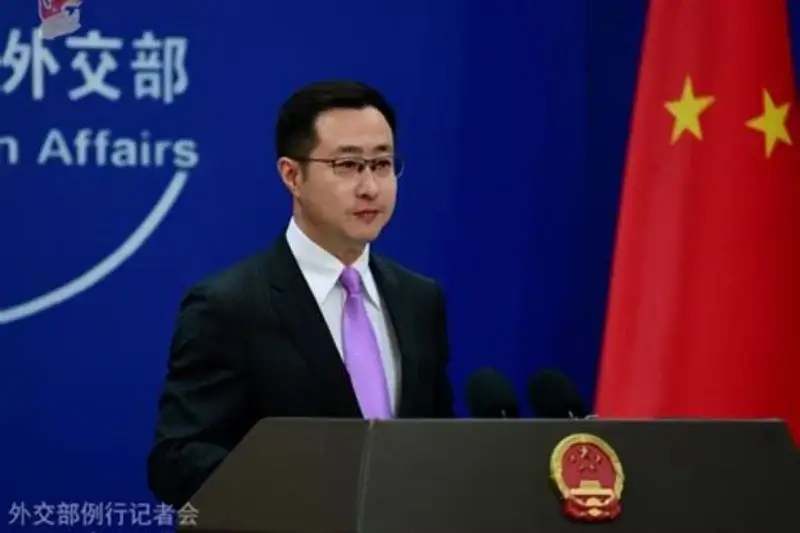
China has issued a formal rejection of the United States' latest economic strategy directed at Iran, characterizing the move as an ineffective escalation. The Chinese government described the US initiative, which has been termed "Economic D-Day" by American officials, as a tactic that fails to address the underlying issues in the region.
According to reports from India Observers, Beijing has come out openly in opposition to this recent initiative launched by US President Donald Trump. The Chinese stance marks a clear divergence from Washington's approach, with Chinese officials asserting that the proposed measures will not lead to a resolution of the ongoing crisis.
The term "Economic D-Day" was coined by President Trump to describe the scale and significance of the new economic pressure campaign. In his statement regarding the initiative, Trump warned countries and companies that continue to support Iran economically that they could face severe repercussions for their actions. The declaration is designed to exert maximum economic pressure on Tehran, aiming to isolate the Iranian government from global financial systems.
China’s response highlights its long-standing preference for diplomatic engagement over coercive economic measures. Chinese authorities argue that imposing stricter sanctions will not bring an end to the crisis but instead may exacerbate tensions. Instead of supporting the US-led pressure campaign, Beijing advocates for a solution that involves all concerned parties working together through dialogue.
Diverging Strategies on Iranian Policy
The clash between Washington and Beijing over Iran reflects broader geopolitical disagreements regarding how to handle nuclear proliferation and regional stability in the Middle East. While the Trump administration has opted for a strategy of maximum economic pressure, China maintains that such unilateral actions are counterproductive.
China’s Call for Multilateral Diplomacy
Beijing’s position is rooted in the belief that international cooperation is essential for resolving conflicts involving Iran. Chinese officials have stated that all concerned parties need to seek a diplomatic solution rather than relying on economic warfare. This approach aligns with China’s broader foreign policy objectives, which often emphasize sovereignty and non-interference in the internal affairs of other nations.
The Chinese government’s rejection of the "Economic D-Day" initiative underscores its willingness to challenge US hegemony in global economic matters. By publicly opposing the sanctions, Beijing signals its commitment to maintaining economic ties with Iran, despite potential risks from American secondary sanctions.
US Warning to International Partners
President Trump’s warning to countries and companies supporting Iran economically serves as a direct challenge to nations like China that have maintained commercial relationships with Tehran. The US president indicated that any entity found aiding Iran’s economy could suffer significant repercussions, including being cut off from the US financial system.
This warning has heightened tensions between Washington and Beijing, as Chinese businesses and state-owned enterprises continue to operate in Iran. The Chinese government’s public dismissal of the US initiative suggests that it is prepared to absorb potential costs associated with defying American economic demands.
Implications for Global Economic Relations
The dispute over Iran sanctions has broader implications for the global economy, particularly regarding the role of the US dollar and the effectiveness of American sanctions. By rejecting the "Economic D-Day" framework, China is reinforcing its stance that alternative economic systems and diplomatic channels are viable options for engaging with sanctioned nations.
India Observers reports that this event follows President Trump’s declaration of a major economic initiative aimed at putting pressure on Iran. The Chinese response indicates that Beijing does not view these measures as a legitimate or effective tool for achieving foreign policy goals. Instead, China continues to push for a negotiated settlement that includes all stakeholders in the conflict.
As the situation develops, the international community will likely watch closely to see how other nations respond to both the US sanctions and China’s diplomatic counter-proposals. The divergence between Washington and Beijing on this issue may lead to further fragmentation in global economic alliances and influence the future of US-Iran relations.