

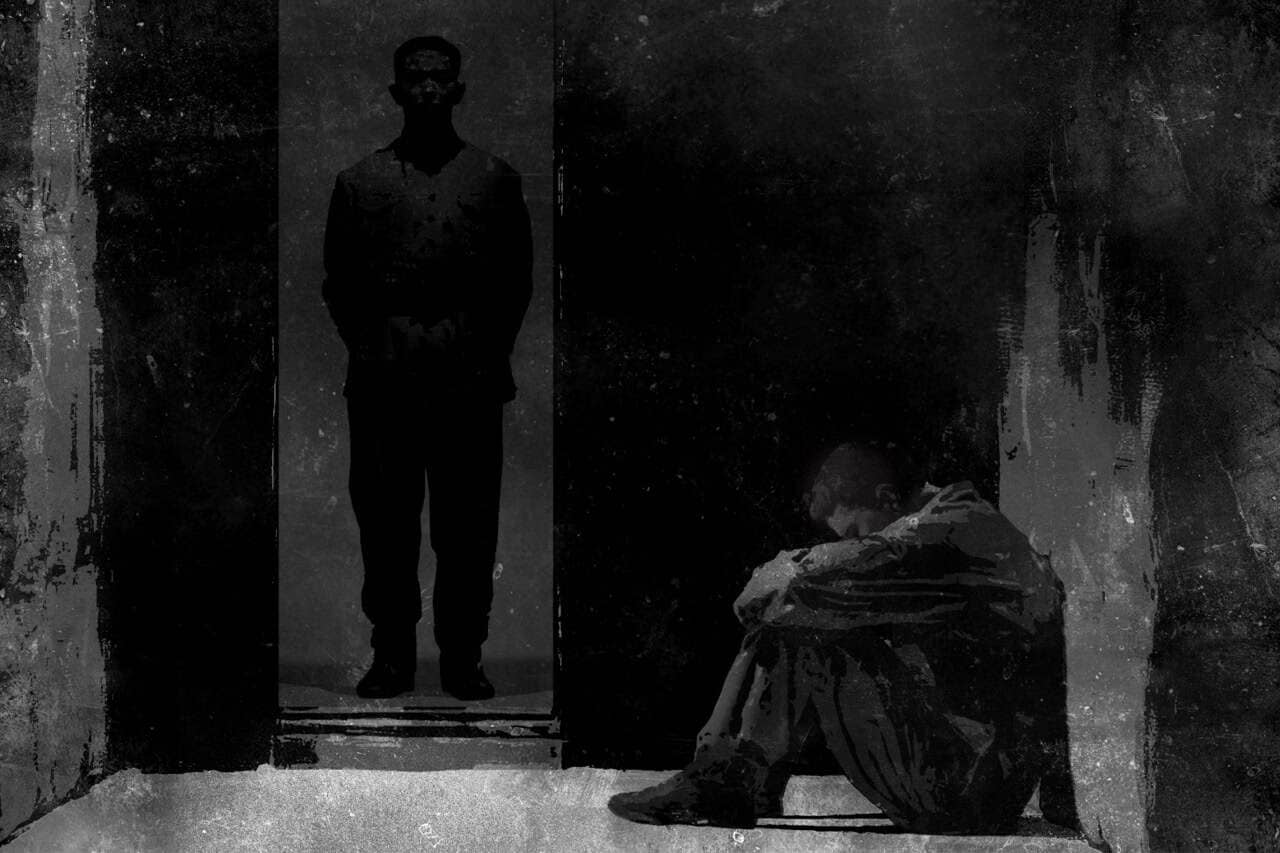

Testimonies from the People’s Republic of the Disappeared
A new book titled “People’s Republic of the Disappeared,” published by the human rights organization Safeguard Defenders, provides first-person accounts of individuals detained under China’s “Residential Surveillance at a Designated Location” (RSDL) procedure. The publication details the conditions faced by detainees in secret facilities and the methods used to enforce submission to the Chinese Communist Party.
The RSDL procedure, officially translated from the Chinese term zhiding jusuo jianshi juzhu, is described as a euphemism for pre-arrest detention. According to the book, this legal mechanism allows authorities to hold individuals in secret locations where they face isolation and coercive interrogation before formal arrest charges are filed.
Michael Kovrig, writing for the Hoover Institution’s The Wire China, notes that the book offers “searing testimonials” of how thought remolding and coercive interrogations continue under the legal obfuscation of RSDL. The accounts reveal a pattern of fear designed to silence dissent and enforce authority.
Conditions of Detention and Legal Obfuscation
The book outlines specific conditions within these detention centers that contribute to the physical and mental deterioration of detainees. Under RSDL, plainclothes officers from the Public Security or State Security bureaus may deny detainees access to lawyers until after questioning and case-building are complete. This period can last up to a year, despite laws that theoretically entitle detainees to counsel.
Detainees are subjected to sensory deprivation techniques intended to disrupt their circadian rhythms. These measures include the use of blackout curtains, the removal of clocks, and the maintenance of constant artificial light. The procedure allows for detention of up to six months by law, often followed by years in prison.
Human rights lawyer Sui Muqing provided an account of the psychological toll of such isolation. “The pain of missing my family was the worst suffering” experienced during his detention, he stated. His testimony is one of many included in the book that highlight the severe impact of these methods on detainees.
International and Domestic Cases
The publication includes accounts from both Chinese citizens and foreign nationals. Among the international cases detailed is that of Cheng Lei, an Australian broadcast journalist who was detained by Ministry of State Security agents in 2020.
Lei’s detention occurred after her role as a China Global Television Network (CGTN) anchor was terminated. The book attributes her detention to retaliation against Australian policies that angered the Chinese Communist Party. Her case illustrates the extension of RSDL practices beyond domestic political dissidents to include foreign citizens.
The accounts in “People’s Republic of the Disappeared” document the process beginning with a surprise raid by security officers. Detainees are accused of crimes, restrained, and shoved into vehicles while hooded or blindfolded. They are abducted to secret locations, locked in padded cells, and threatened with severe punishment for harming China. Simultaneously, their homes and offices are searched.
The book details how the procedure allows for detention of up to six months by law, often followed by years in prison. This extended timeline facilitates the coercive interrogation tactics described by former detainees, who report facing isolation and sensory deprivation designed to break their will before any formal judicial process begins.