

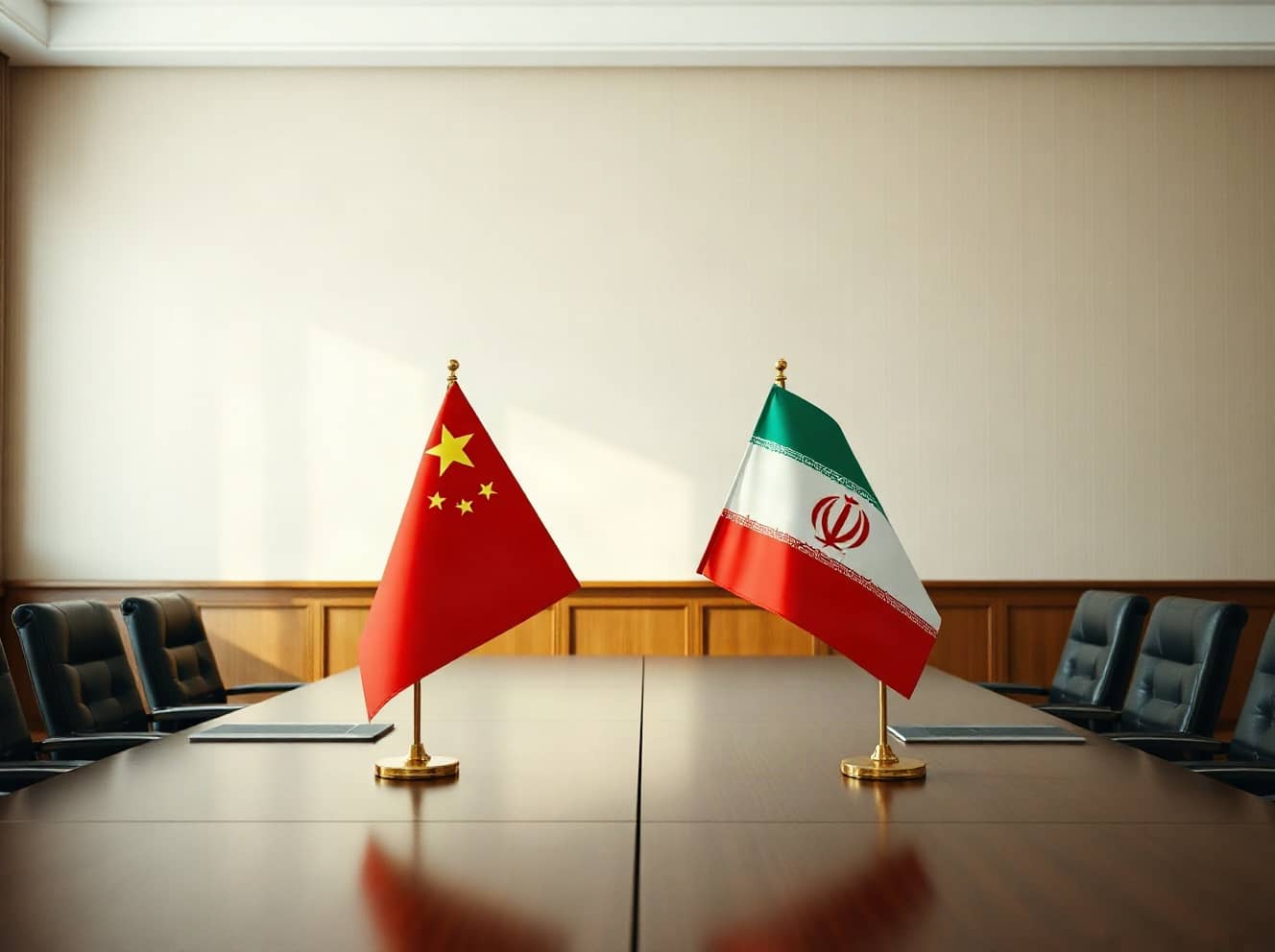

Beijing Affirms Unwavering Ties with Tehran
China has stated that its cooperation with Iran should not be disrupted by external factors, according to a report by Reuters. This declaration underscores Beijing’s firm stance on protecting its strategic partnerships from outside interference and reaffirms its commitment to maintaining bilateral ties despite international pressure. The statement serves as a clear signal that China intends to continue its engagement with Tehran, irrespective of global efforts to isolate the Islamic Republic.
This position highlights the enduring nature of the relationship between the two nations, which has persisted and deepened through periods of significant geopolitical tension and economic sanctions. By emphasizing that external influences should not alter the course of their engagement, China signals a deliberate policy of shielding its diplomatic and economic interests in the Middle East from global scrutiny and pressure. It reflects a broader principle in Chinese foreign policy to resist what it perceives as unilateral interventions in the sovereign affairs of other nations.
Beijing's Principled Stance on Sovereignty
The insistence on uninterrupted cooperation is not merely a statement of intent but a reflection of China's long-held foreign policy principles, particularly its emphasis on non-interference in internal affairs and mutual respect among sovereign states. This approach positions Beijing as a steadfast partner, contrasting with nations that might adjust their alliances based on shifting geopolitical winds or external demands. For China, maintaining these ties is crucial to demonstrating the viability of an alternative international order where national interests and bilateral agreements are prioritized over multilateral pressures or sanctions regimes.
This commitment also signals China's willingness to absorb potential diplomatic costs associated with maintaining these ties, prioritizing long-term strategic partnerships over short-term alignment with global consensus. It suggests a calculated decision by Beijing to reinforce its influence in a critical region, even if it means challenging the efficacy of international sanctions and diplomatic pressure campaigns aimed at isolating Tehran.
Deepening Economic and Political Cooperation
China and Iran have deepened their economic and political cooperation over many years, particularly in vital sectors such as energy, trade, and infrastructure. Their partnership is rooted in a clear alignment of mutual interests, including China’s consistent need for secure energy imports to fuel its vast economy and Iran’s desire for foreign investment, technological support, and diplomatic backing to bolster its economic stability and international standing.
This relationship has evolved into a comprehensive strategic partnership, designed to withstand external pressures and foster long-term growth for both nations. The structural integration of their economies and diplomatic coordination serve to solidify the partnership against potential disruptions, creating a robust framework for cooperation that is resilient to external shocks.
Securing Energy Supplies and Expanding Trade Networks
A primary and enduring driver of this bilateral relationship is energy security. China, as one of the world's largest and most rapidly growing consumers of oil and gas, has historically relied on Iran as a significant and reliable supplier. This access to Iranian energy resources is strategically vital for China's economic stability and industrial growth, providing a crucial alternative to other global energy markets.
In return, Iran has actively sought Chinese investment and expertise to bolster its infrastructure and economic stability, particularly in sectors that have been constrained by international sanctions. This includes significant investments in Iran's oil and gas infrastructure, transportation networks, and industrial projects. The cooperation extends beyond mere commodity exchange, encompassing broader trade agreements and infrastructure development projects that aim to integrate Iran’s economy more closely with regional networks and global supply chains led by Beijing, enhancing Iran's connectivity and economic resilience.
Shared Diplomatic Frameworks and Regional Influence
Beyond economic considerations, the relationship is characterized by a shared diplomatic framework. Both nations have consistently emphasized mutual respect and non-interference as core principles of their engagement, a stance that often contrasts with the foreign policy approaches of Western powers. This alignment allows them to coordinate positions in various international forums, providing Iran with crucial diplomatic support and a platform to articulate its perspectives on global issues.
For China, this diplomatic alignment offers a strategic foothold in Western Asia, enabling it to expand its geopolitical leverage and influence in a region of immense strategic importance. It allows Beijing to cultivate partnerships that challenge existing power dynamics and contribute to a more multipolar global order, where China plays an increasingly prominent role in shaping regional and international affairs.
Global Repercussions of Enduring Ties
China’s explicit statement regarding the uninterrupted nature of its ties with Iran carries significant implications for global diplomacy and the international system. By openly rejecting external interference, Beijing directly challenges the efficacy of international sanctions and diplomatic pressure campaigns that have been primarily led by Western nations and aimed at isolating Tehran.
This stance reinforces the perception of China as a formidable counterbalance to Western influence in the Middle East and beyond. It suggests that Beijing is not only willing but determined to pursue its long-term strategic interests, even when they diverge from the consensus of other major global powers. For Iran, this provides a critical economic and political lifeline, offering an avenue for trade, investment, and diplomatic engagement that mitigates the impact of sanctions and strengthens its position on the international stage. For China, it ensures continued access to vital energy resources and expands its geopolitical leverage in a strategically vital region, solidifying its role as a key player in shaping the future of global relations.