

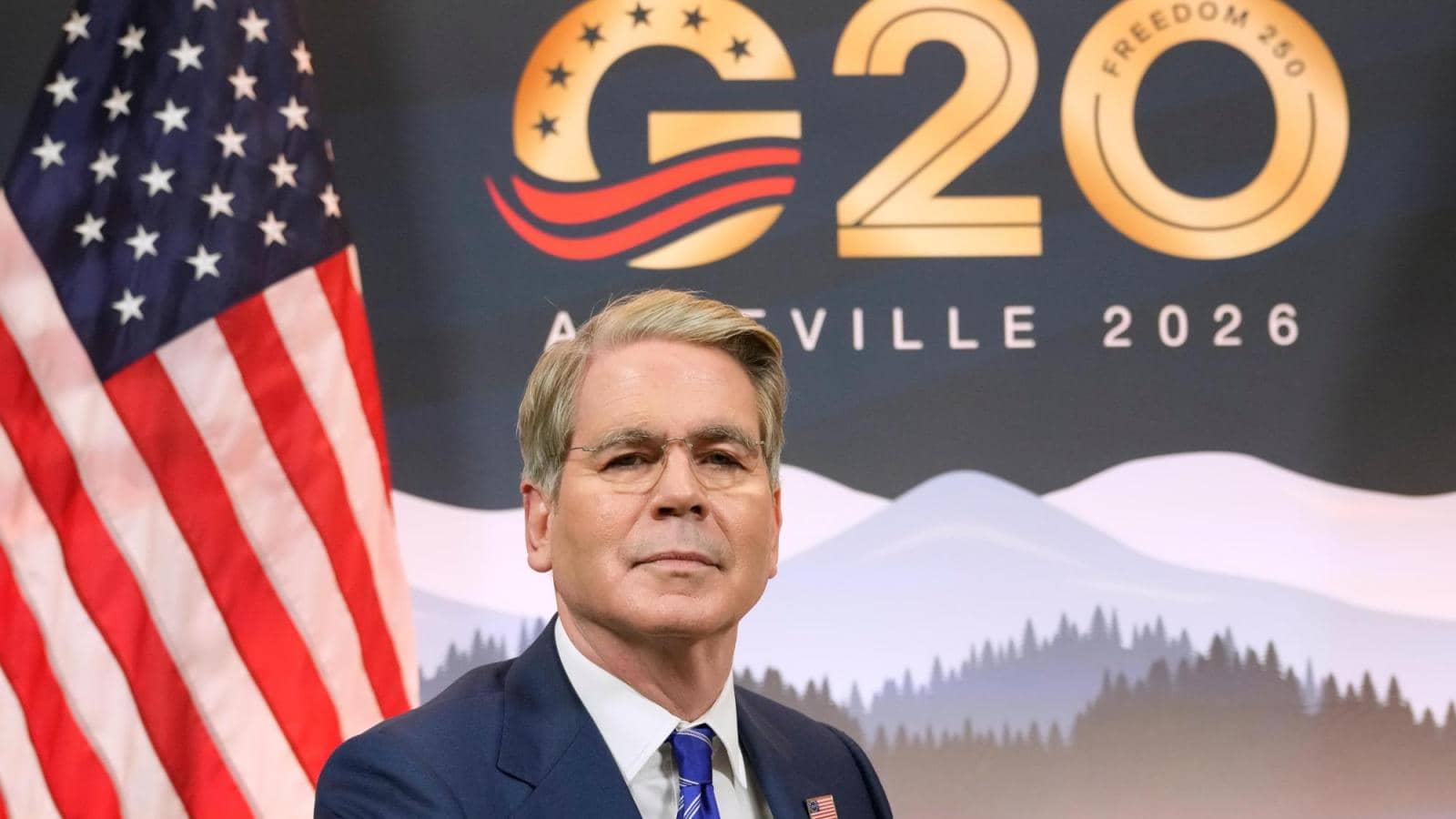

Treasury Secretary Bessent Engages G20 Allies Amidst Geopolitical and Trade Headwinds
Treasury Secretary Scott Bessent is currently engaged in critical discussions with allies from the Group of 20 (G20) nations, a forum that brings together the world's major economies. The primary agenda item for these high-level diplomatic engagements revolves around coordinating a unified response to the renewed hostilities between the United States and Iran. This meeting underscores the Biden administration's strategic objective to marshal international support and formulate a cohesive strategy concerning Iran's recent actions. The discussions are part of a broader, ongoing effort by the U.S. administration to address pressing global security concerns through multilateral diplomacy.
The timing of these significant diplomatic engagements is particularly noteworthy, occurring against a backdrop of heightened tensions in the Middle East. Reports confirm that the G20 meeting follows a recent escalation in military or political hostilities between Washington and Tehran, necessitating urgent dialogue among allied nations. Secretary Bessent's participation in the G20 forum highlights the administration's commitment to prioritizing security concerns, even as economic policy remains a central focus of international financial gatherings. This dual emphasis reflects the complex and interconnected nature of global challenges, where geopolitical stability and economic prosperity are intrinsically linked.
During his interactions with fellow finance ministers and central bank governors, Secretary Bessent has articulated his intention to steer the conversation towards broader economic growth and pressing debt issues. This stated focus on macroeconomic stability and fiscal health demonstrates a strategic approach to leveraging the G20 platform. It signals an effort to address long-term global economic challenges while simultaneously confronting immediate geopolitical threats. The Treasury Secretary's dual focus underscores the intricate environment in which U.S. economic diplomacy is currently operating, requiring a delicate balance between addressing immediate security imperatives and ensuring long-term fiscal and economic resilience on a global scale.
Trade Tensions Cast a Shadow Over Multilateral Cooperation
While the situation in Iran demands significant diplomatic attention, Secretary Bessent must also navigate a landscape complicated by considerable diplomatic friction stemming from recent U.S. trade policies. The imposition of tariffs by the United States has introduced strains into the relationships with key G20 partners, disrupting established economic ties and creating an atmosphere of uncertainty. These trade disputes have the potential to undermine the broader objectives of multilateral cooperation, including efforts to address security concerns like those posed by Iran.
A particularly prominent source of this diplomatic tension is the escalating trade dispute with Canada, a close neighbor and significant economic partner. Reports indicate that trade friction between the two North American nations has sharply intensified following a significant breakdown in bilateral negotiations. This diplomatic impasse, characterized by a failure to reach mutually agreeable terms, led directly to the implementation of escalating tariffs by the United States. This contentious backdrop creates a challenging environment for any multilateral discussions involving North American partners, potentially impacting the willingness of allies to align on other critical issues.
The confluence of pressing security concerns regarding Iran and significant economic disputes with key allies presents a formidable challenge for U.S. Treasury leadership. The administration's capacity to foster and maintain cohesion among G20 members is being rigorously tested by these simultaneous crises. Secretary Bessent’s efforts to rally allies on the Iranian front are occurring within a context where the trust in U.S. trade commitments may have been eroded by recent tariff actions. This dynamic raises questions about the effectiveness of U.S. diplomatic overtures when economic policies create friction among its traditional partners.
Interconnected Crises Shape the Diplomatic Agenda
The current diplomatic agenda at the G20 is demonstrably shaped by two distinct yet concurrently unfolding developments. Firstly, the renewal of hostilities and escalating tensions with Iran necessitate a unified and robust international response, a goal Secretary Bessent seeks to facilitate through the G20's collaborative framework. This requires aligning diverse national interests and perspectives on how to address Iran's destabilizing activities. Secondly, the breakdown in negotiations with Canada has resulted in tangible economic consequences, most notably through the application of tariffs that have drawn criticism and, in some cases, led to retaliatory measures from trading partners.
These intertwined developments serve as a potent illustration of the interconnected nature of modern foreign policy and international economics. Economic instruments, such as tariffs, are increasingly being employed alongside traditional security strategies, directly influencing how allies perceive U.S. intentions and the reliability of its partnerships. The G20 meetings, therefore, serve as a critical, albeit challenging, forum for addressing these overlapping and complex issues. However, the effectiveness of diplomatic outreach on security matters may be significantly constrained by the prevailing atmosphere of trade disputes and the resulting erosion of trust.
As the G20 discussions progress, observers are closely watching the administration's attempts to delineate its security objectives from its economic policies. The challenge lies in the fact that these spheres are not easily separated in practice. The tangible economic impact of tariffs on Canada and potentially other partners remains a significant and unavoidable factor in the broader landscape of international relations. Secretary Bessent’s stated goal of focusing on economic growth and debt issues provides a potential framework for constructive conversations, even as immediate geopolitical threats demand urgent attention and coordinated action from the global community.