


Leaders Convene at SCO Summit in Bishkek
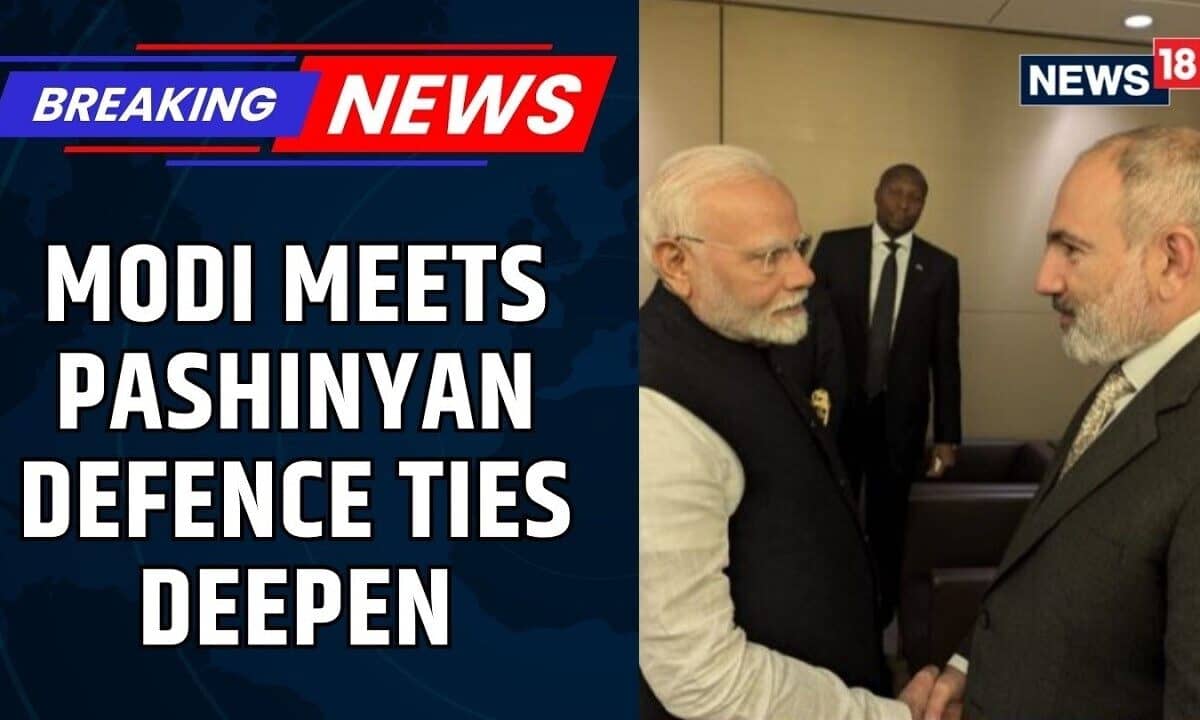
Prime Minister Narendra Modi of India met with Armenian Prime Minister Nikol Pashinyan on the sidelines of the Shanghai Cooperation Organization (SCO) 25th anniversary celebrations held in Bishkek. The bilateral meeting occurred during the broader diplomatic engagements associated with the milestone event for the regional organization.
The encounter between the two heads of government highlighted the growing importance of India-Armenia relations. According to reports from News18, the discussions underscored an expanding strategic partnership between New Delhi and Yerevan. The meeting took place within the context of the SCO summit, providing a platform for high-level diplomatic interaction between the two nations.
Prime Minister Modi’s presence at the 25th anniversary celebrations in Bishkek facilitated direct dialogue with Prime Minister Pashinyan. This engagement marks a specific point of contact in the ongoing diplomatic framework between India and Armenia, focusing on mutual strategic interests.
Focus on Defense and Strategic Coordination
The primary focus of the discussions between Prime Minister Modi and Prime Minister Pashinyan was the enhancement of defense cooperation. Reports indicate that both leaders prioritized strengthening bilateral engagement in the security sector. The meeting addressed mechanisms for improved strategic coordination between the Indian and Armenian armed forces and defense establishments.
News18 reported that the talks centered on deepening ties across multiple dimensions of national security. The emphasis on "strategic coordination" suggests a move toward more structured and regularized interactions between the two countries' defense ministries. This aligns with broader trends in India’s foreign policy, which have increasingly sought to diversify defense partnerships beyond traditional allies.
The term "defense cooperation" was explicitly cited as a key agenda item. This includes potential areas of collaboration such as military hardware procurement, joint training exercises, and intelligence sharing, although specific details of any new agreements were not detailed in the initial reports. The focus remains on the framework of engagement rather than specific operational outcomes at this stage.
Expanding Bilateral Engagement
Beyond defense-specific topics, the meeting also addressed broader bilateral engagement. The discussions aimed to solidify the political and strategic foundations of the India-Armenia relationship. By addressing these issues at an international forum like the SCO, both nations signaled their intent to elevate the profile of their bilateral ties on the global stage.
The expansion of this partnership is viewed as significant for both countries. For Armenia, engagement with India offers a strategic counterbalance and access to new markets and technologies. For India, strengthening ties with Armenia provides a foothold in the South Caucasus region, an area of growing geopolitical interest due to its proximity to energy resources and major powers.
Implications for Regional Dynamics
The timing of this meeting during the SCO 25th anniversary adds a layer of regional context to the India-Armenia dialogue. While Armenia is not a member of the SCO, its participation in such events allows for engagement with both Indian and other regional powers. The presence of Prime Minister Pashinyan at these celebrations facilitated the opportunity for direct talks with Prime Minister Modi.
Reports from CNN-News18 describe the event as a boost to India-Armenia defense and strategic ties. This characterization reflects the mutual interest in formalizing and accelerating cooperation in sensitive sectors. The meeting serves as a diplomatic indicator of the willingness of both governments to prioritize this bilateral relationship amidst complex regional security environments.
The emphasis on "strategic partnership" in official descriptions suggests that the two nations are looking beyond transactional defense deals toward a more comprehensive alignment of interests. This includes coordination on issues such as counter-terrorism, border security, and regional stability, which are common concerns for both India and Armenia given their respective geopolitical challenges.
Next Steps in Bilateral Relations
Following the meeting in Bishkek, officials from both countries are expected to work on operationalizing the points discussed. This likely involves technical-level talks between defense attachés and ministry officials to detail the scope of cooperation. The initial high-level agreement sets the stage for subsequent engagements.
The SCO summit provided a neutral and high-profile venue for this diplomatic exchange. By utilizing such multilateral platforms, India and Armenia can advance their bilateral agendas while maintaining broader diplomatic relationships with other regional actors. The outcome of these talks will be monitored by observers interested in the shifting dynamics of defense partnerships in Eurasia.
As both nations continue to navigate complex international relations, the strengthened focus on defense and strategic coordination represents a tangible step in their bilateral relationship. The meeting in Bishkek has thus been recorded as a key moment in the recent history of India-Armenia diplomatic interactions, marking a clear intent to deepen ties in critical areas of national security.