

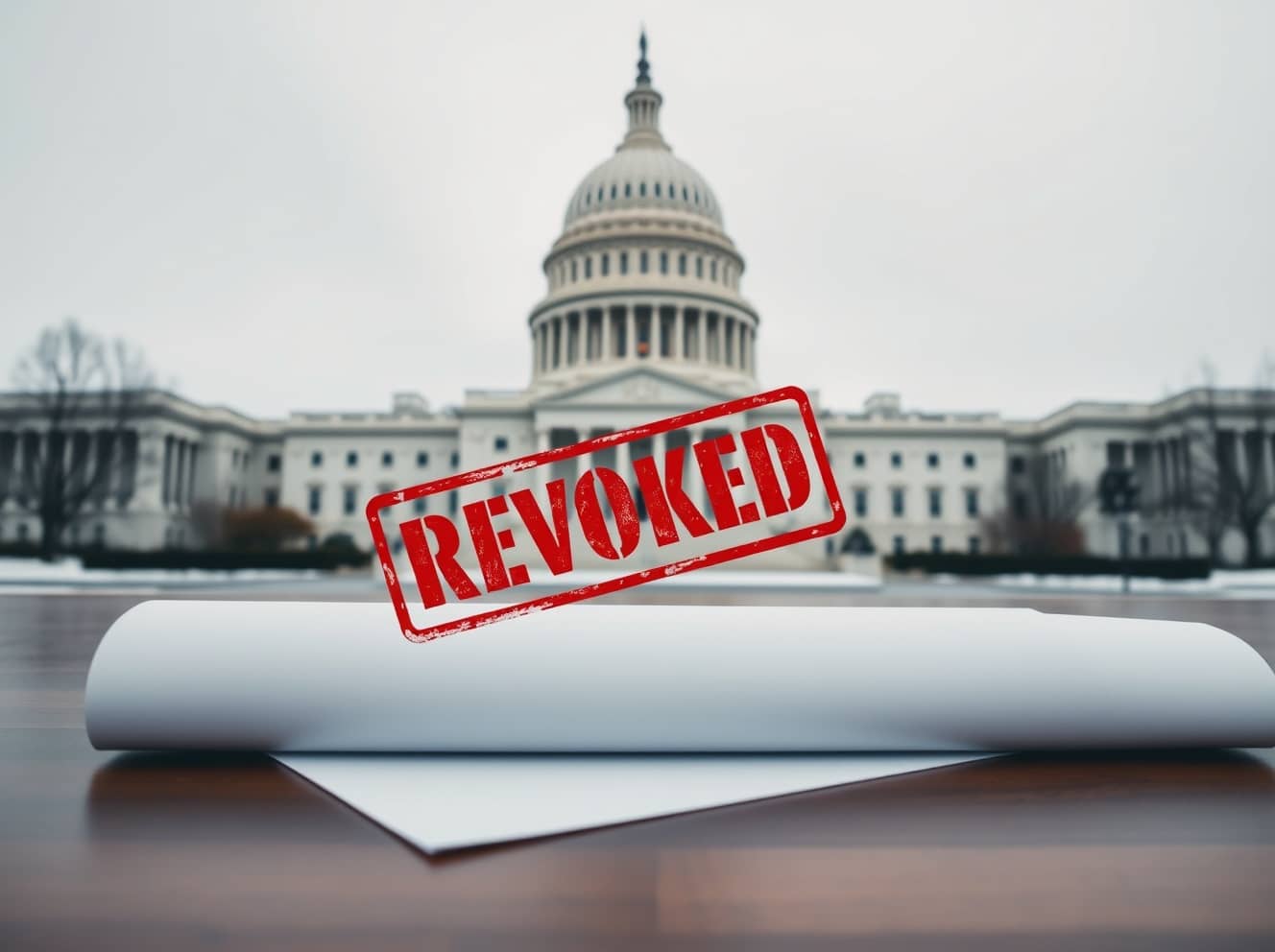

Swift Policy Reversal Signals Renewed Sanctions Enforcement
In a move described as swift and unexpected by observers in Washington, the Biden administration has officially revoked a temporary exception that permitted limited imports of Iranian crude oil. This decision marks a significant policy reversal for the executive branch, occurring exactly 19 days after the waiver was initially granted to Tehran.
The rescission leaves markets and analysts scrambling to assess the immediate implications of this sudden shift in U.S. foreign economic policy. Reports indicate that the administration did not provide a public explanation at the time of the revocation decision, creating an environment of uncertainty for international buyers who had begun relying on these authorized shipments.
Industry watchers note that such rapid changes in sanction enforcement can disrupt established trade flows and complicate compliance operations for global energy firms. The lack of transparency surrounding the reasoning behind this specific administrative action has drawn attention from financial commentators monitoring U.S.-Iran relations closely.
Diplomatic Origins of the Temporary Exception
According to available reporting, the original waiver was issued as part of broader diplomatic negotiations between Washington and Tehran. The temporary exception allowed Iran to export a capped volume of crude oil specifically to select buyers located primarily in Asian markets.
The initial authorization represented an effort by U.S. officials to manage complex geopolitical dynamics while maintaining pressure on certain aspects of Iranian behavior related to regional instability. By permitting limited exports under strict conditions, the administration aimed to balance diplomatic engagement with continued sanctions enforcement mechanisms designed to limit Iran's revenue streams from oil sales.
Analysts suggest that waivers granted during active negotiations often serve as temporary measures intended to facilitate dialogue or test specific policy approaches without fully lifting comprehensive economic restrictions. The nature of such exceptions typically requires ongoing review and can be terminated if diplomatic conditions change or if the administering body determines that continued authorization no longer serves U.S. strategic interests.
The waiver’s structure allowed for a controlled volume of crude oil to reach designated purchasers, distinguishing it from previous blanket sanctions regimes that prohibited nearly all Iranian petroleum exports regardless of buyer identity or end-use verification processes.
Market Reaction and Analyst Uncertainty
The sudden revocation has generated considerable discussion among energy sector professionals who had anticipated the expiration date approaching. Some market participants expressed surprise at the timing, noting that only 19 days elapsed between the granting of permission for Iranian crude oil imports and their subsequent cancellation.
Financial analysts point out that such abrupt policy adjustments can create volatility in commodity markets where buyers must rapidly reassess supply chain strategies. The uncertainty generated by this decision affects not just immediate trading partners but also influences broader perceptions of U.S. commitment to specific diplomatic initiatives involving Iran.
The absence of a public statement explaining the rationale behind ending the waiver has left many stakeholders questioning whether internal policy shifts or external geopolitical pressures drove the administration’s decision.
Implications for U.S.-Iran Relations
This action represents another development in an ongoing series of tensions between Washington and Tehran. The revocation signals a return to stricter enforcement of existing oil sanctions, potentially limiting Iran’s ability to generate revenue from its vast petroleum reserves through traditional export channels.
Geopolitical experts observe that such measures often correlate with deteriorating diplomatic relations or shifts in broader U.S. strategy regarding Middle East security concerns. The decision underscores the fluid nature of economic sanctions policy, which can change rapidly depending on evolving political circumstances and administration priorities.
The lack of transparency surrounding this particular administrative action contrasts with previous instances where officials provided detailed justifications for sanction modifications or waivers to Congress and international partners.