


Financial Expansion Under New Leadership
The Big East Conference is preparing for a significant increase in financial support for its member institutions this season. According to CBS Sports, the league is poised to spend more than $135 million across its 11 men's basketball rosters. This figure represents an average of over $12 million per school.
This spending level marks a substantial rise from the previous year, which had an estimated average of $7 million per school. The financial shift occurs as the conference navigates a transition in its executive leadership and prepares for changes in the NCAA Tournament structure.
Tim Brosnan has been appointed as the Big East's new commissioner, following the summer retirement of Val Ackerman. Brosnan is a graduate of Georgetown University and previously served as an executive at Major League Baseball. Alongside the commissioner change, Paul Brazeau has joined the league as chief basketball officer. Brazeau was recruited to the position from the Atlantic Coast Conference (ACC).
Media Day Venue Shifts
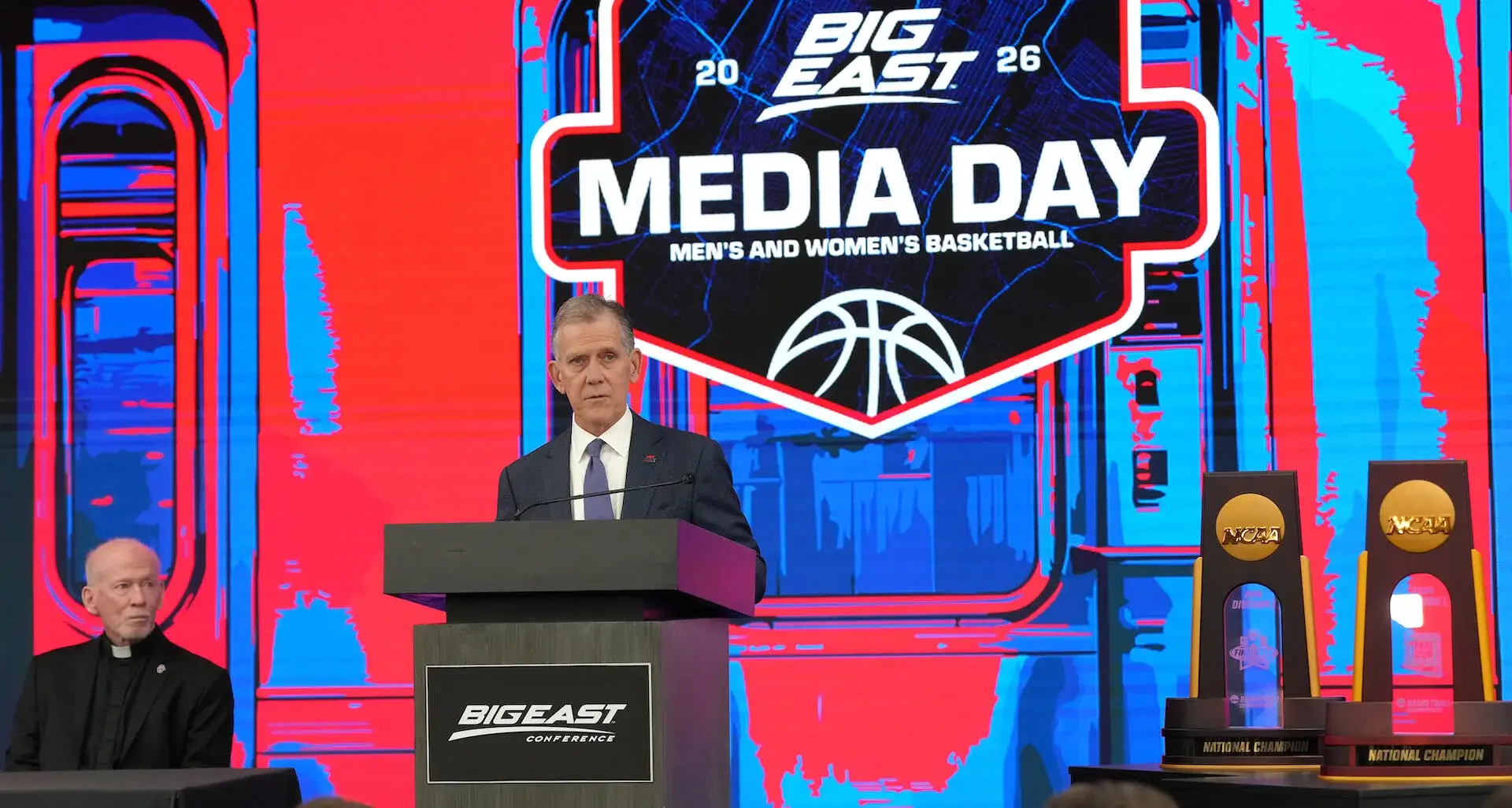
The conference's operational changes were highlighted during its media day event held on Oct. 1 at the New York Marriott Marquis in Times Square. The Big East became the first of the five power conferences to hold its media day at this location.
The choice of venue marked a departure from tradition, representing the first time in a generation that the event was not held at Madison Square Garden. The move signals a logistical shift for the conference's annual gathering of coaches, players, and media representatives.
Coaching Changes and Tournament Context
The leadership and financial updates follow a period of instability for several member programs. Three schools—Providence, Creighton, and Butler—underwent coaching changes following the previous season. Bryan Hodgson took over at Providence, Alan Huss was named coach-in-waiting at Creighton, and Ronald Nored was hired at Butler.
On the court, Shaka Smart expects Marquette to return to the top of the conference standings. The expectation comes as the Big East looks to rebound from a difficult tournament performance in the previous cycle. UConn salvaged the league's reputation by reaching the NCAA title game as a No. 2 seed.
Despite UConn's success, the conference sent only three teams to the tournament. This total marked the fewest bids in Big East history, underscoring the challenges the league faced in securing multiple automatic or at-large qualifications during that period.