

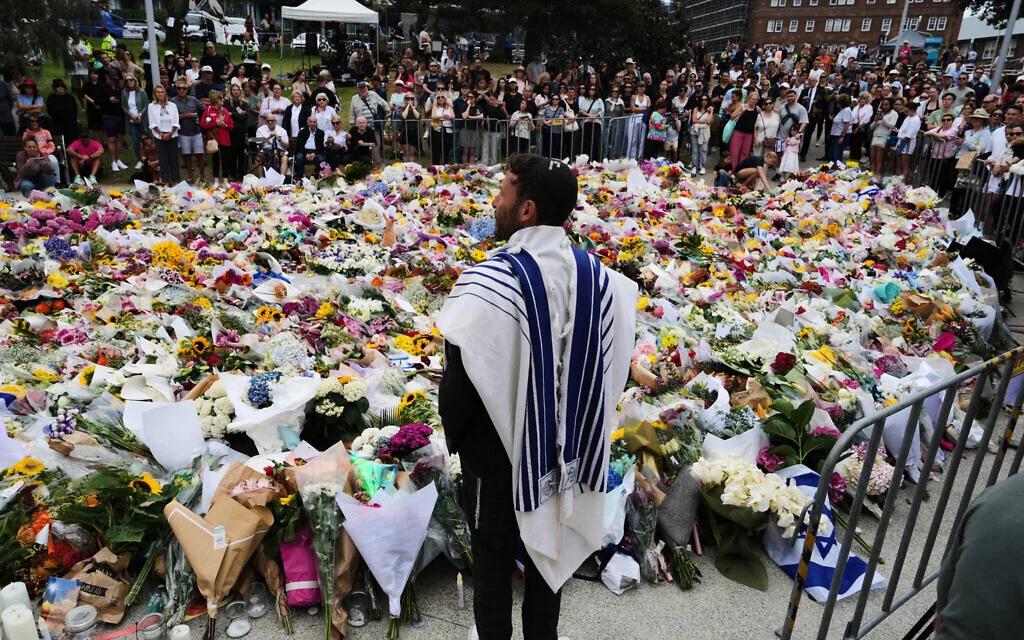

Bondi Beach Hanukkah Terror Attack Overview
The Bondi Beach Hanukkah terror attack, which occurred during a public celebration, has raised significant concerns regarding community preparedness for emergencies. The incident, characterized by its unexpected nature, has prompted discussions on the effectiveness of current response strategies employed by volunteer medics and first responders.
Community Preparedness Emphasized
The clinical lead of a volunteer Jewish first responder charity has highlighted the critical need for communities to enhance their disaster preparedness. In light of the attack, he stated that incidents like this serve as a wake-up call for organizations and individuals alike to evaluate their readiness to respond to emergencies.
Training and Readiness
According to the clinical lead, training is essential for volunteer medics to effectively manage crises. The attack has illustrated that even well-intentioned volunteers may require additional skills and knowledge to respond adequately in high-pressure situations. Enhanced training programs are being considered to address these gaps.
Lessons Learned from the Attack
The Bondi Beach incident has provided valuable insights into the dynamics of emergency response. The clinical lead noted that the experience gained from this attack can significantly improve the ability of volunteer medics to act in future incidents. Key lessons include the importance of rapid assessment, communication, and coordination among responders.
Case Study for Volunteer Organizations
This event serves as a critical case study for volunteer organizations to analyze and refine their response strategies. By reviewing the actions taken during the attack, organizations can identify strengths and weaknesses in their current protocols. This analysis is expected to lead to improved operational guidelines and response frameworks.
Encouraging Proactive Measures
Communities are being encouraged to take proactive measures to ensure they are prepared for potential crises. This includes organizing training sessions, conducting drills, and establishing clear communication channels among community members. The clinical lead stressed that preparedness is a collective responsibility that requires engagement from all community members.
Collaboration with Authorities
In the aftermath of the attack, there has been a call for closer collaboration between volunteer organizations and local authorities. Enhanced cooperation can facilitate better resource allocation and support during emergencies. The clinical lead emphasized that partnerships with law enforcement and emergency services are crucial for effective response efforts.
Impact on Volunteer Medics
The attack has had a profound impact on the volunteer medic community, prompting many to reflect on their roles and responsibilities. The clinical lead noted that the experience has fostered a sense of urgency among volunteers to enhance their skills and preparedness. This renewed focus on training is expected to lead to a more competent and confident volunteer force.
Future Training Initiatives
In response to the lessons learned from the Bondi Beach attack, the volunteer Jewish first responder charity is planning to implement new training initiatives. These programs will focus on equipping volunteers with the necessary tools to handle various emergency scenarios, ensuring they are better prepared for future incidents.
Public Awareness Campaigns
To further bolster community preparedness, public awareness campaigns are being considered. These campaigns aim to educate residents about emergency response protocols and the importance of being vigilant during public events. The clinical lead believes that an informed community is better positioned to respond effectively to crises.