


The Cooling Challenge and Geographic Solutions
Data centers generate enormous amounts of heat as thousands of processors crunch calculations, train AI models, and store digital information. Keeping this hardware from overheating requires substantial electricity, making cooling one of the industry’s biggest engineering challenges.
Cold climates offer a potential solution through "free cooling," which uses cold outside air or water to remove heat instead of energy-intensive chillers. This technique has allowed companies to establish data center operations in Sweden, Finland, Iceland, and Norway.
However, moving facilities to the Arctic wilderness or beneath the ocean introduces complex logistical hurdles that often outweigh the benefits of natural cooling. Data center operators must balance cooling efficiency with power availability, network latency, construction costs, and long-term maintenance.
Obstacles in the Arctic Wilderness
Building data centers in the Arctic is difficult due to challenges in accessing reliable electricity, high-capacity fiber-optic networks, skilled workers, and transport infrastructure. Grid connection delays and limited power infrastructure are becoming major obstacles to data center expansion.
Harsh weather, long distances, and limited transport links complicate the delivery of construction materials, replacement servers, and maintenance crews. Additionally, permafrost and changing Arctic conditions introduce engineering challenges for buildings and infrastructure.
Data center operators must balance cooling efficiency with power availability, network latency, construction costs, and long-term maintenance. The absence of reliable connectivity and power in remote Arctic regions remains a primary deterrent to widespread adoption of these locations.
Lessons from Underwater Deployments
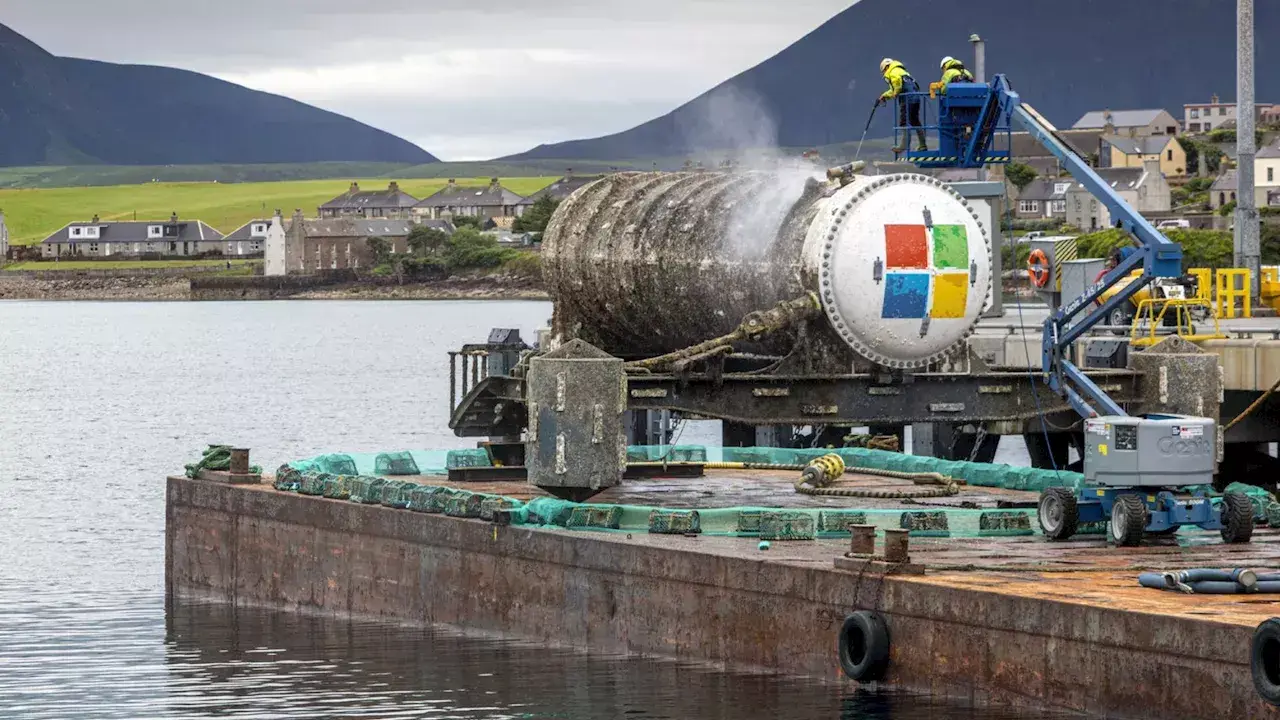
Microsoft tested an underwater data center concept through Project Natick, deploying a sealed module off the coast of Scotland’s Orkney Islands in 2018. The underwater facility was roughly the size of a shipping container and housed 864 servers.
The installation operated for more than two years. During this time, servers in the underwater installation experienced a failure rate one-eighth that of a comparable land-based control group. Microsoft suggested that a controlled environment filled with dry nitrogen rather than ordinary air helped explain the lower failure rate.
While Project Natick demonstrated that underwater data centers could operate successfully, maintenance and deployment present significant challenges. The logistical difficulties observed in Arctic regions are mirrored in ocean environments, where access for repairs and upgrades is far more complex than on land.