


Election Dynamics and Regional Power Shifts
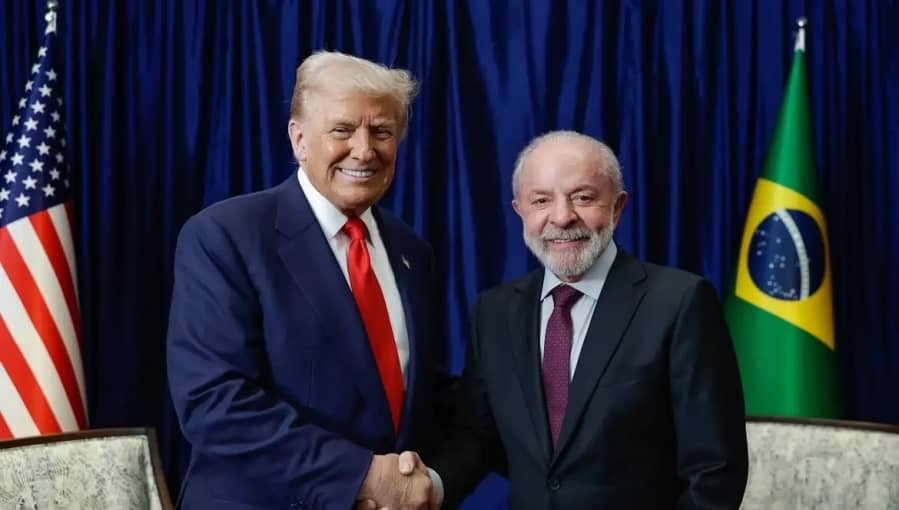
Brazil is scheduled to hold national elections on October 4, a political event that commentators suggest underscores the diminishing capacity of the United States to dictate outcomes in its traditional sphere of influence. According to analysis published by Bne Intellinews, the upcoming vote serves as a focal point for understanding the limitations of American power in South America. The publication describes the current geopolitical landscape as a struggle over "America's own backyard," indicating that Washington's efforts to maintain dominance are encountering significant resistance.
The commentary from Bne Intellinews posits that the election results will reveal much about the extent to which external powers can shape regional politics. Rather than acting as a unifying force, U.S. policy initiatives are increasingly viewed through the lens of competition. This perspective suggests that the United States is no longer able to rely on passive alignment from its neighbors but must actively contend with local priorities and alternative partnerships.
The Components of the 'Donroe Doctrine'
Central to this analysis is the concept referred to as the "Donroe Doctrine," a term used by Bne Intellinews to describe Washington's current strategic posture toward Latin America. The commentary asserts that this doctrine is manifesting in specific economic and technological fronts. Specifically, the article identifies tariffs, control over rare earth resources, and the development of domestic payment systems as key areas where U.S. influence is being challenged.
Tariffs and Trade Frictions
Tariffs have emerged as a primary instrument in this struggle for influence. The Bne Intellinews commentary indicates that trade policies, particularly those involving tariff structures, are becoming points of contention between Washington and Brasilia. These economic measures are not merely commercial adjustments but are interpreted as strategic tools in a broader geopolitical contest. The analysis suggests that such fiscal pressures are counterproductive to maintaining strong bilateral relations, instead fueling resentment and driving Brazil toward alternative economic partners.
Rare Earth Resources
The competition for rare earth resources represents another critical front in the ongoing dispute. The source material highlights that access to and control over these strategic minerals are vital components of the "Donroe Doctrine." The commentary implies that the United States is seeking to secure supply chains or exert leverage through these resources, a move that Brazil and other regional actors are actively resisting. This struggle over raw materials underscores the shift from traditional diplomatic engagement to resource-based geopolitical maneuvering.
Domestic Payment Systems
A significant aspect of this contest involves financial infrastructure. The Bne Intellinews article notes that Brazil's development of a homegrown payments system is a direct challenge to U.S. financial hegemony. By creating independent digital payment mechanisms, Brazil reduces its reliance on American-controlled financial networks. This technological autonomy is framed not just as an economic convenience but as a strategic assertion of sovereignty against Washington's influence.
Implications for Regional Sovereignty
The convergence of these factors—tariffs, rare earths, and payment systems—creates a complex environment where U.S. efforts to project power are being met with localized resistance. The commentary from Bne Intellinews suggests that the "Donroe Doctrine" is failing to secure the desired alignment, instead highlighting the constraints on American influence.
As Brazil heads to the polls on October 4, the election will serve as a barometer for these tensions. The outcome may reflect a broader regional trend toward greater independence from U.S. economic and political pressure. The analysis indicates that the struggle over "America's own backyard" is no longer theoretical but is actively playing out in trade negotiations, resource management, and financial technology sectors.
The Bne Intellinews commentary concludes that these developments reveal the limits of U.S. power. By focusing on coercive tools like tariffs and resource control rather than cooperative engagement, Washington risks further alienating key regional partners. The election in Brazil thus stands as a testament to the changing dynamics of power in the Western Hemisphere, where local agency is increasingly dictating terms to external powers.