

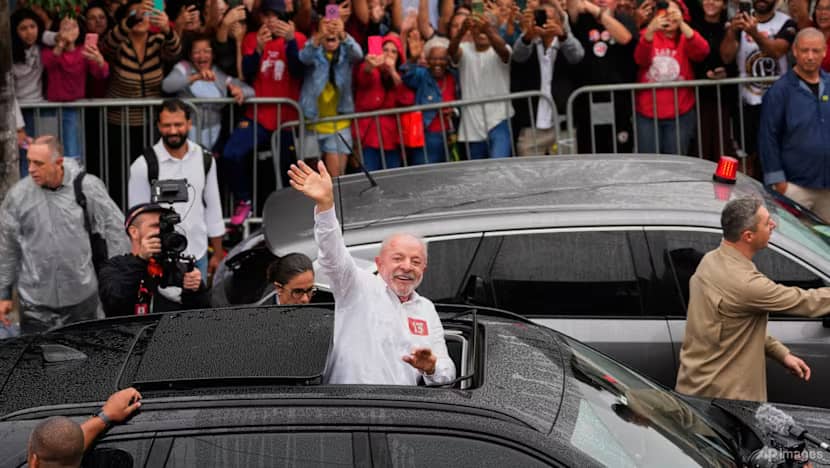

Lula Secures Historic Fourth Term in Brazilian Runoff
Brazilian President Luiz Inacio Lula da Silva has won a historic fourth term, defeating Senator Flavio Bolsonaro in the presidential runoff on Sunday, Oct 25, 2026. The result, confirmed by the country's electoral court, defied polls and precedent, effectively halting a wave of right-wing election victories across Latin America.
Lula secured his victory by over 4 million votes against Flavio Bolsonaro, the eldest son of former President Jair Bolsonaro. The margin of defeat was significant enough that analysts dismissed immediate challenges to the outcome, though the losing candidate’s response signaled ongoing tension regarding the electoral process.
Post-Election Disputes and Legal Challenges
Flavio Bolsonaro refused to concede defeat immediately after the results were announced. He stated he would ask for the result to be annulled, citing a Supreme Court ruling that extended voting for two hours in certain regions.
The legal basis for this challenge centers on the extension of polling hours, which was implemented to accommodate voters affected by heavy rains in the south of the country. Notably, Lula’s campaign had also requested and received similar extensions due to weather disruptions in their strongholds, a fact that analysts highlighted as undermining the grounds for annulment.
Experts pointed out that an annulment is highly unlikely given the scale of Lula's victory. Mario Braga, a Latin America analyst at RANE, stated it is very improbable that right-wing protests will lead to a reversal of the result. The sheer volume of votes cast in Lula’s favor suggests that even if procedural disputes were resolved in Flavio Bolsonaro’s favor, they would not be sufficient to overturn the election.
Shifting Political Dynamics and Voter Sentiment
The outcome marks a significant shift in the political landscape of Brazil and the broader region. Pollsters attributed Lula's victory to better-than-expected turnout, which helped overcome late swings in opinion that had favored the conservative candidate.
Leonardo Barreto of Think Policy offered insight into the voter psychology driving this result, suggesting that voters chose Lula's "familiar embrace" over Bolsonaro's novelty. This characterization highlights a fatigue with political disruption and a return to established leadership figures who are perceived as more stable or predictable in their governance style.
The defeat of Flavio Bolsonaro also serves as a check on the conservative movement that has gained momentum in neighboring countries. By securing this win, Lula has not only retained power but has also demonstrated the resilience of Brazil's democratic institutions against external pressures and internal dissent.