


Milwaukee Erases Four-Run Deficit to Seize Command of World Series
The Milwaukee Brewers completed a stunning comeback on Saturday, defeating the Tampa Bay Rays 5-4 to take a commanding 2-0 lead in the best-of-seven World Series. The victory marks the seventh time this postseason that Milwaukee has won after trailing, a testament to their resilience and refusal to concede.
The game began with a daunting challenge for the Brewers. Tampa Bay launched an early onslaught in the first inning, building a 4-0 lead that seemed insurmountable. The Rays scored first when Chandler Simpson singled home Yandy Diaz. Simpson then stole second base before scoring on Junior Caminero’s hit. Catcher Liam Hicks followed with a powerful 411-foot two-run homer, extending the Rays' advantage and putting significant pressure on Milwaukee's pitching staff.
Milwaukee responded immediately in the bottom of the first inning. William Contreras and Garrett Mitchell each delivered RBI singles, cutting the deficit to two runs. However, the Rays maintained their lead through the middle innings, forcing Brewers manager Pat Murphy to make a critical decision in the fourth inning. They chose to chase Rays starter Drew Rasmussen from the game.
Rasmussen’s outing was notably short-lived compared to his previous playoff performances. In this start, he lasted just 3 2/3 innings. This stands in stark contrast to his other three playoff starts earlier in the postseason, where he had tossed at least six innings each time. The shift in strategy allowed reliever Aaron Ashby to enter the game. Ashby proved crucial to the Brewers' survival, securing the final five outs of the contest to preserve the lead.
Frelick’s Power and Pratt’s Clutch Hit Turn Tide
The turning point of the game arrived in the sixth inning. Sal Frelick stepped up to the plate and launched a 408-foot home run, tying the game at 4-4. The blast not only leveled the scoreboard but also shifted the momentum firmly in Milwaukee’s direction.
In the seventh inning, the Brewers capitalized on their renewed energy. Cooper Pratt delivered a single that drove in Brice Turang with the winning run. The victory was described by Pratt as a collective effort rooted in belief. "As long as there’s game left we have a chance — and I think we’ve all bought into that," Pratt stated, reflecting the team's mindset throughout the series.
The comeback is historically significant. Only 10 teams in history have ever come back from a 2-0 deficit to win the World Series. While the odds are steep, Milwaukee’s ability to rally from deficits has been a defining characteristic of their playoff run.
Series Shifts to Florida with Pitching Matchups Set
The series now shifts to Florida for Game 3 on Monday. The change in venue presents a new dynamic for both clubs. Rays manager Kevin Cash noted that playing the next three games at home could help his side reset. He emphasized that the fans would be loud and excited, potentially providing a boost for Tampa Bay as they look to avoid elimination.
Pitching will be the focal point of the upcoming game. Tampa Bay is scheduled to start right-hander Freddy Peralta. Peralta has been dominant in the postseason, boasting a 1.08 ERA in four playoff games for the Rays. His performance will be critical in attempting to halt Milwaukee’s momentum.
On the other side, Milwaukee will turn to left-hander Robert Gasser. Gasser has shown remarkable control and effectiveness in this series. He has given up just one run over nine innings in two playoff starts. Recently, he threw five shutout innings, demonstrating his ability to go deep into games and keep the Rays' offense at bay.
Broader Implications for Franchise Building
The success of both the Brewers and Rays extends beyond this single series, offering valuable lessons for other franchises. The Miami Marlins, currently navigating their own organizational challenges, can take notes from these two teams regarding offensive construction and bullpen development during their offseason.
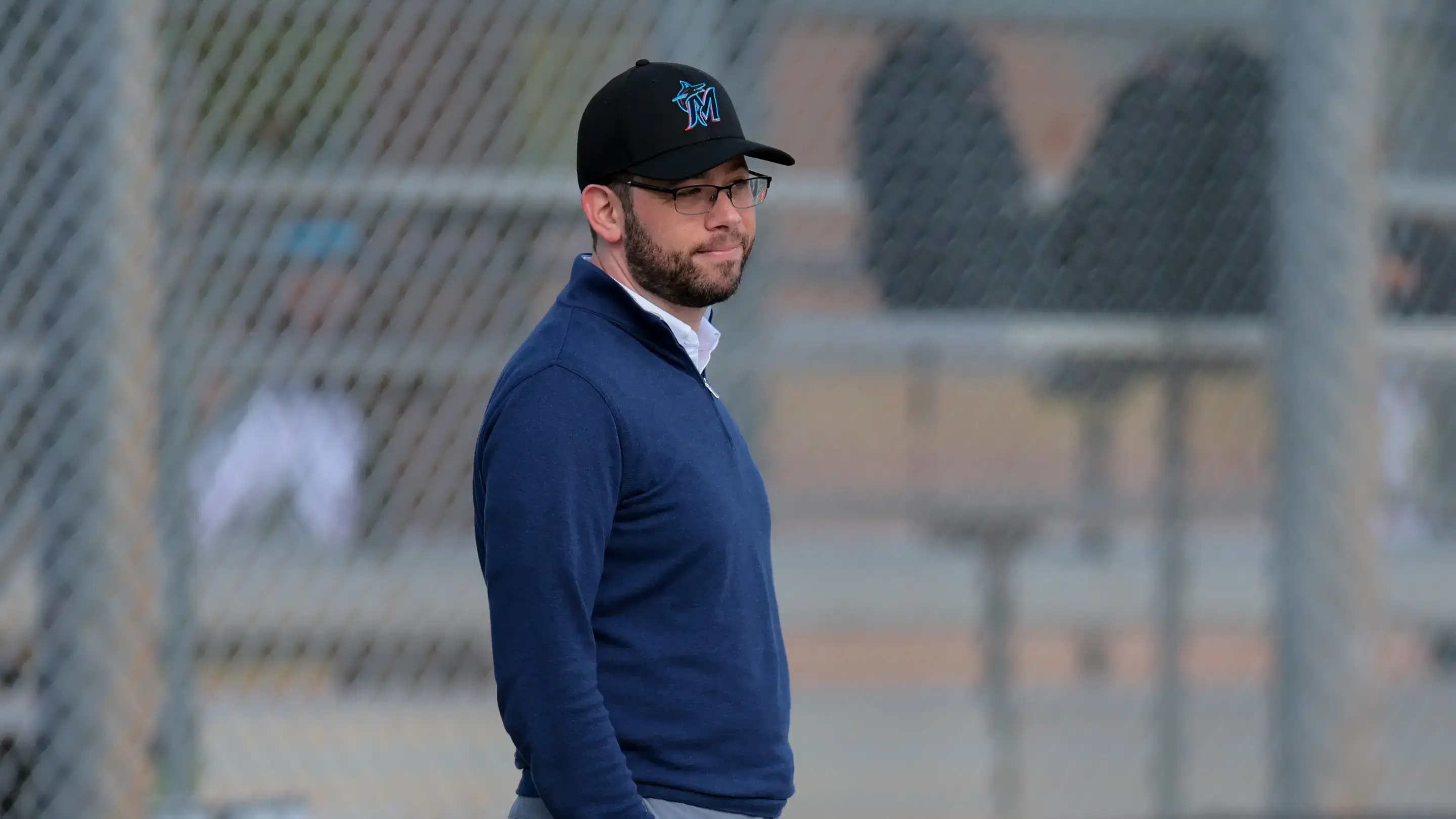
Miami’s President of Baseball Operations, Peter Bendix, has rebuilt the Marlins organization with a focus on sustainable success. He is now in a position to model roster decisions after the Brewers or Rays, both of whom have excelled in resource management and player development.
The need for such strategic planning is evident in Miami’s recent performance. In 2026, the Marlins ranked 16th in slugging percentage (.400) and 23rd in team home runs (168). Their bullpen also struggled, posting a 4.10 ERA that ranked 19th in the sport. These difficulties were partly due to injuries to closer Pete Fairbanks, highlighting the fragility of relief corps without adequate depth.
As a lockout approaches, the article suggests the Marlins must develop pitchers like Victor Vodnik and make savvy additions to their roster. The Brewers and Rays have demonstrated that with careful construction, teams can compete at the highest level regardless of payroll size. As Yahoo Sports’s Jake Mintz wrote, the Rays are learning what the Padres and Dodgers already know about the relentless nature of the Brewers. This series serves as a case study in how preparation, resilience, and strategic pitching can overcome early deficits and define a championship run.