

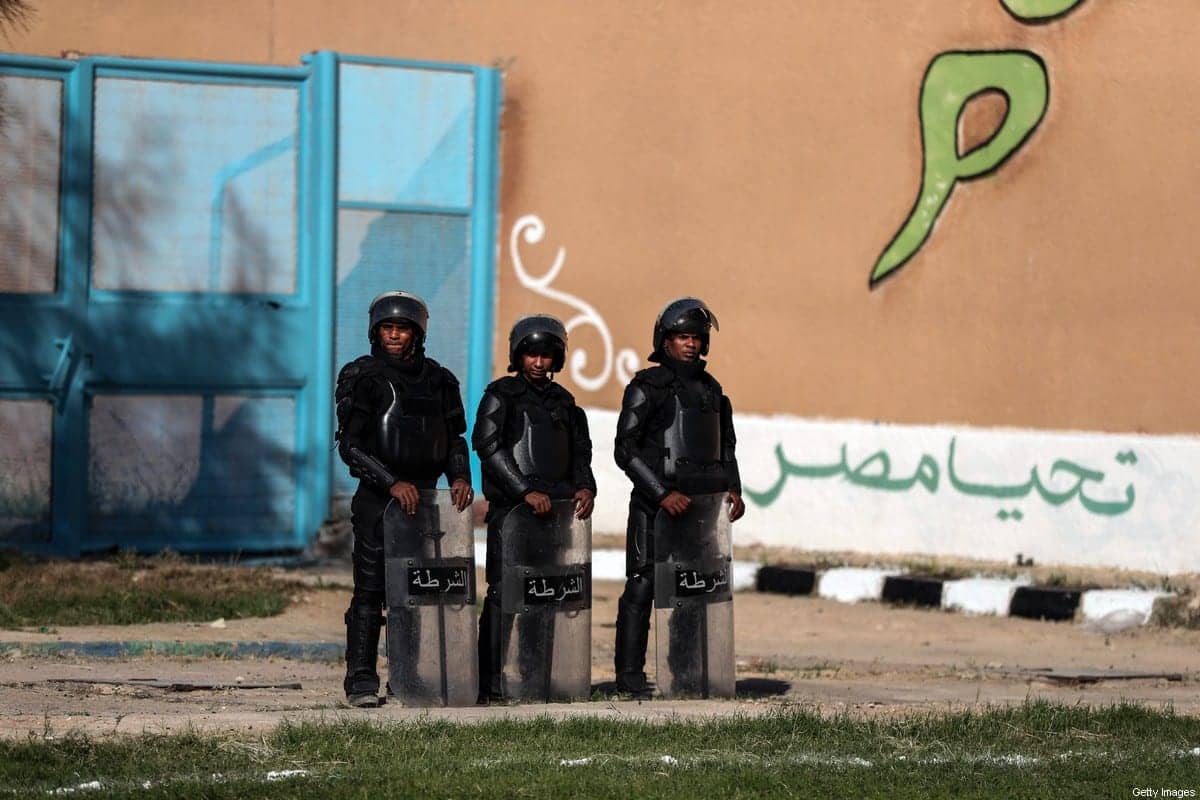

Systematic Tactics of Erasure in Cairo
According to reports compiled by human rights organizations, Egypt employs a systematic apparatus of enforced disappearance to suppress political opposition and instill fear among the population. The practice is described as a method that goes beyond standard arrest procedures, effectively removing individuals from public existence without legal accountability.
The process reportedly begins with unannounced abductions carried out by state agents. These operatives frequently operate in plain clothes, seizing individuals from their private residences, university lecture halls, or public city streets. The abductions occur without the production of legal warrants, bypassing established judicial protections.
Once taken into custody, victims are placed in an intentional information vacuum. Human rights reports indicate that state authorities deliberately scrub the names of the detained from official records. This removal of data serves to create a layer of deniability for the state, making it difficult for families or legal representatives to locate the missing persons or challenge their detention through standard legal channels.
Political Implications and International Pressure
The Middle East Monitor published an opinion piece on August 30, 2026, titled "Egypt’s apparatus of enforced disappearance must be halted – Silence by BRICS and AU not an option." The author, Iqbal Jassat, argues that the continued silence from major international bodies is unacceptable given the severity of the allegations.
Jassat characterizes enforced disappearance as a "systematic weapon" used by Cairo to crush activism and rule through terror. The article asserts that for thousands of citizens, the state does not merely arrest them but deletes them from existence. The publication calls on the BRICS coalition and the African Union (AU) to take active measures to halt these practices.
The piece suggests that the current inaction by these geopolitical entities allows the Egyptian government to continue its operations with impunity. The author contends that the international community has a responsibility to address the issue, framing silence as complicity in the face of what are described as severe human rights violations.
Regional and Global Stakeholders
The African Union is identified as a key regional body with potential influence over Egypt’s internal security policies. As a continental organization dedicated to unity and the promotion of human rights, its stance on state-sponsored disappearances carries significant diplomatic weight within North Africa.
Similarly, BRICS, comprising Brazil, Russia, India, China, and South Africa along with other member states, represents a major bloc of emerging economies. The article implies that these nations, through their collective economic and political leverage, are in a unique position to pressure Egypt to adhere to international human rights standards.
The call for action highlights the intersection of geopolitical alliances and human rights enforcement. It suggests that membership in these groups should entail adherence to specific ethical guidelines regarding the treatment of citizens, particularly concerning due process and the right to know the whereabouts of detained individuals.
Documentation of Abductions
Human rights organizations have documented numerous instances of this practice, providing detailed accounts of how the mechanism operates. These reports describe a well-oiled system designed to bypass legal protections entirely. The absence of warrants and the use of plain-clothes agents are cited as hallmarks of this approach.
The deliberate removal of names from official records is a critical component of the strategy. By erasing administrative traces, the state prevents external monitoring of detention facilities and hinders efforts to secure legal representation for the missing. This creates a scenario where individuals can be held indefinitely without their families or the public being aware of their status.
The article notes that this tactic is used to silence dissent and suppress activism. By creating an environment of absolute terror, the state aims to deter other citizens from engaging in political opposition or independent organizing. The fear of unannounced abduction serves as a deterrent against public assembly or expression of unpopular views.
Demands for Accountability
The Middle East Monitor piece explicitly states that silence by the BRICS and AU is not an option. The author urges these organizations to move beyond diplomatic neutrality and address the specific allegations of enforced disappearances in Egypt.
The article does not provide a response from the Egyptian government or the African Union regarding these specific claims. It also does not detail any immediate policy changes proposed by BRICS nations in response to the publication.
The focus remains on the assertion that the international community must recognize the systematic nature of the disappearances and act accordingly. The piece frames the issue as a critical test for the credibility of regional and global institutions in upholding human rights norms.