


Divergence Between Material Ties and Perceived Resolve
According to a recent analysis by the Brookings Institution, America’s relationship with Taiwan has strengthened materially over the past two years through increased security cooperation, expanded trade and economic ties, and deepened societal connections. Despite these tangible improvements, polling indicates that Taiwan’s confidence in America’s dependability has declined during the same period.
The report argues that deterrence relies on an adversary’s perception of both capabilities and resolve. Consequently, perceptions of wavering American presidential commitment to Taiwan’s defense are viewed as undermining deterrence efforts in the region. This disconnect highlights a critical vulnerability: while physical and economic bonds deepen, the political signaling from Washington appears inconsistent to Taipei.
Trump’s Statements and Arms Sales Framing
The Brookings analysis points to specific actions and statements by President Donald Trump that have contributed to shifting perceptions regarding U.S. policy on cross-Strait relations. During a May visit to Beijing, Trump stated he was “not looking to have somebody [Taiwan] go independent” and suggested that Taiwan needs to “cool down a bit,” alongside China.
Trump also questioned the strategic logic of American military involvement in the region, asking whether it made sense for U.S. forces to “travel 9,500 miles to fight a war.” Additionally, he described a pending $14 billion American arms sales package to Taiwan as a “very good negotiating chip” in his dealings with Chinese President Xi Jinping.
Further complicating the narrative, former Ambassador David Perdue disclosed that Trump had offered to sell weapons to China during an interview on Fox News Sunday. Perdue stated that President Trump asked President Xi, “Would he like to buy some, at one point,” while defending Trump’s record on Taiwan policy. This disclosure underscores the extent to which arms sales—a cornerstone of U.S.-Taiwan security relations—were being reframed as transactional tools rather than commitments to democratic sovereignty.
September State Visit and Official Readouts
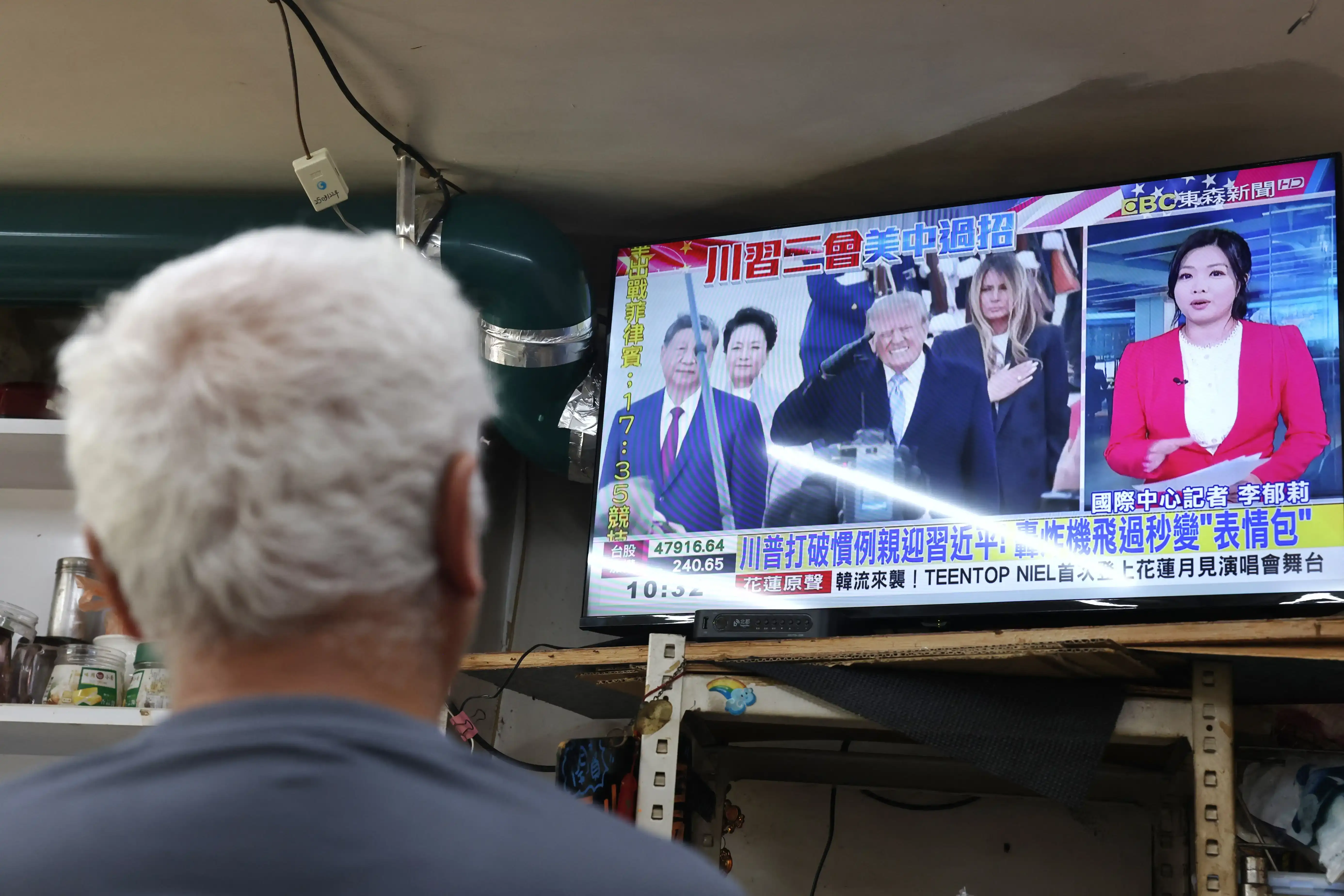
The White House’s objective for the late September state visit between Trump and Xi Jinping was to showcase that the two leaders maintain a productive relationship and are committed to keeping U.S.-China rivalry within guardrails. However, the White House’s official readout of this meeting did not make any reference to Taiwan.
The absence of Taiwan from the official record stood in stark contrast to the issue's importance in bilateral dynamics. Following the state visit, Trump responded to media inquiries regarding the omission. He stated, “We didn’t talk about it [Taiwan] too much; right now, it’s fine, it’s just moving along. We didn’t spend a lot of time talking about Taiwan. He [Xi] understands very much how I feel.”
By minimizing the discussion in both official documentation and public remarks, the administration signaled a departure from previous norms where Taiwan was explicitly acknowledged as a key component of U.S.-China relations. This silence allowed Beijing to interpret the relationship through its own preferred framing, further eroding Taipei’s confidence.
China’s Offensive and Future Policy Recommendations
The Brookings report notes that China’s leaders have gone on the offensive in pushing America to shift its declaratory policy on cross-Strait relations. The analysis suggests that Trump’s analogy of arms sales to Taiwan as a “bargaining chip” and his embrace of Beijing’s preferred framing likely played a major role in shifting perceptions of U.S. reliability.
Beijing has actively worked to normalize its coercive tactics by framing them as standard diplomatic pressure, while simultaneously urging Washington to abandon traditional support mechanisms. The combination of reduced rhetorical support from the White House and aggressive posturing from Beijing has created an environment where Taipei feels increasingly isolated despite stronger material ties.
To address these challenges, the report outlines recommendations for America’s next president. It suggests that confidence can be rebuilt by emphasizing clearly and consistently that Washington will oppose unilateral changes to the status quo in the Taiwan Strait. The analysis further advises maintaining a resolute stance on keeping open a path for Beijing and Taipei to resolve their differences without violence or coercion.
Rebuilding trust requires more than just material cooperation; it demands consistent declaratory policy that aligns with strategic interests. Without clear signals of resolve, the gap between strengthened ties and declining confidence will likely widen, complicating future diplomatic and security engagements in the Indo-Pacific.