

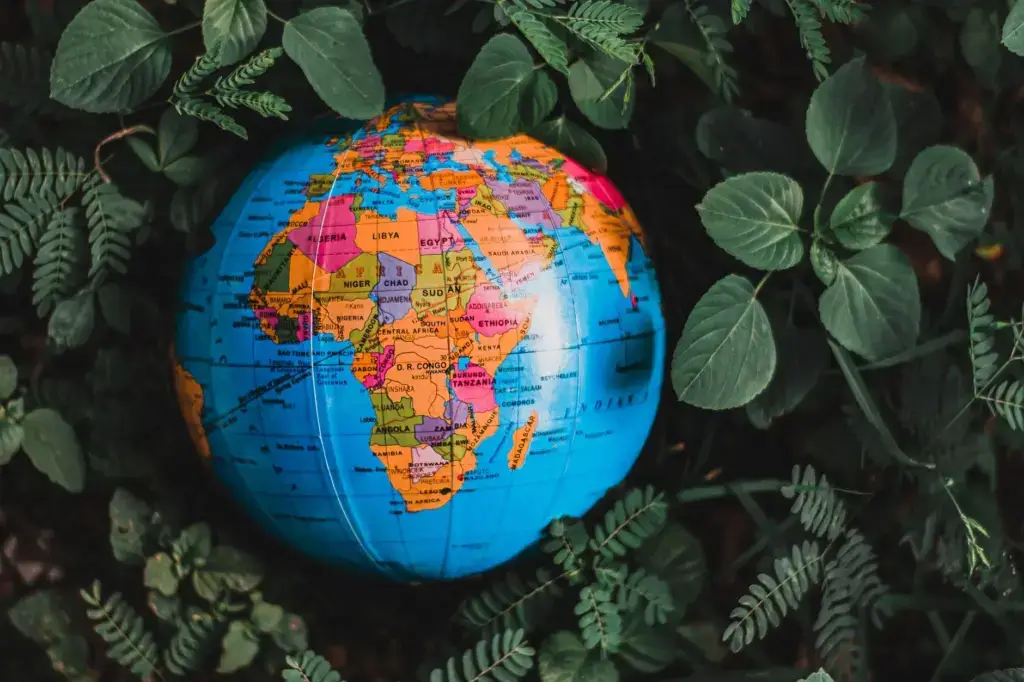

Redistribution of International Power
The international landscape is currently undergoing significant transformations regarding the distribution of power among nations. This shift in the global order represents a fundamental change in how countries interact, negotiate, and exert influence on the world stage. The concentration of authority that previously characterized certain eras of modern history is giving way to a more complex and fragmented arrangement of state capabilities.
These transformations are not merely theoretical; they are actively reshaping diplomatic relations and security architectures across multiple regions. As nations reassess their strategic positions, the traditional hierarchies of global governance are being tested by emerging powers seeking greater representation and control over international institutions. The resulting dynamic creates an environment where established norms are frequently challenged, leading to increased unpredictability in foreign policy outcomes.
The redistribution of power is occurring simultaneously with changes in economic leverage and military capacity. Countries that were previously considered secondary actors in global affairs are now asserting themselves as key players in trade agreements, technological standards, and regional security pacts. This multipolar reality requires a recalibration of diplomatic strategies, as alliances that once seemed permanent are being reevaluated based on immediate national interests rather than long-standing ideological commitments.
Mechanisms of Power Transition
The mechanisms driving this power shift include rapid industrialization in developing nations, advancements in defense technologies, and the strategic realignment of resource dependencies. Nations are actively investing in capabilities that allow them to project influence beyond their immediate borders, challenging the dominance of traditional superpowers. This competition for influence extends into cyber space, outer space, and critical supply chains, creating new arenas for geopolitical contestation.
As power becomes more diffused, the ability of any single nation or coalition to unilaterally dictate global outcomes diminishes. This diffusion necessitates more complex multilateral negotiations, where consensus is harder to achieve and enforcement of agreements becomes more difficult. The result is a global environment where instability can arise not from a single dominant force, but from the friction between multiple competing centers of gravity.
Economic Disparities as a Driver of Turbulence
Disparities in economic well-being contribute directly to international turbulence. The gap between wealthy and developing nations has created conditions where economic distress fuels political instability, which in turn spills over borders. When populations within nations face severe economic hardship, the resulting social unrest often manifests as anti-establishment sentiment, migration pressures, and support for extremist ideologies.
These economic inequalities are not static; they are exacerbated by global trade imbalances, debt burdens, and unequal access to technology and capital. Nations that lack the economic resilience to withstand global shocks find themselves vulnerable to external coercion or internal collapse. This vulnerability creates opportunities for other states to exert influence through economic leverage, further entrenching the cycle of dependency and resentment.
The impact of economic inequality on international relations is evident in the rise of protectionist policies and trade wars. As nations prioritize domestic economic stability over global cooperation, the rules-based international trading system faces increasing strain. This fragmentation of the global economy reduces overall efficiency and increases the likelihood of conflicts arising from commercial disputes.
The Link Between Wealth and Stability
Economic well-being is closely linked to political stability. Regions experiencing rapid economic growth often see a corresponding increase in their geopolitical assertiveness, as they seek to protect their expanding interests abroad. Conversely, regions facing economic stagnation or decline may become sources of instability, exporting conflict through refugee flows, organized crime, and terrorism.
The concentration of wealth in certain parts of the world, coupled with poverty in others, creates a structural tension that undermines global security. International organizations and financial institutions have long warned that unchecked inequality poses a threat to global peace, yet efforts to address these disparities have been slow and insufficient. The persistence of these gaps ensures that economic grievances remain a potent fuel for international discord.
The Amplifying Role of Social Media
The impact of social media plays a significant role in fueling global instability. Digital platforms have transformed the speed and scale at which information, and misinformation, spreads across borders. This rapid dissemination allows local grievances to become international incidents almost instantaneously, bypassing traditional diplomatic channels and fact-checking mechanisms.
Social media algorithms often prioritize content that generates high engagement, which frequently includes polarizing or inflammatory material. This dynamic amplifies divisive narratives and reinforces echo chambers, making it difficult for nations to find common ground on contentious issues. The erosion of shared factual baselines complicates diplomatic efforts, as leaders and citizens alike operate from different sets of perceived realities.
Furthermore, social media has become a tool for state and non-state actors to conduct information warfare. Governments can use these platforms to spread propaganda, interfere in foreign elections, and incite unrest in rival nations without deploying military forces. This form of hybrid warfare is difficult to detect and counter, as it operates within the legal frameworks of free speech while undermining democratic processes and social cohesion.
Digital Frontiers of Conflict
The digital realm has become a new frontier for geopolitical conflict. Cyberattacks, data theft, and online disinformation campaigns are now standard instruments in the toolkit of modern statecraft. These activities can destabilize critical infrastructure, manipulate public opinion, and erode trust in institutions, all without a single shot being fired.
The lack of international consensus on how to regulate social media and address cyber threats leaves a vacuum that bad actors exploit. Nations are increasingly adopting fragmented approaches to internet governance, leading to a balkanized digital landscape where information flows are restricted based on national interests rather than global connectivity. This fragmentation further isolates populations and reduces the potential for cross-cultural understanding, contributing to the broader climate of global instability.