

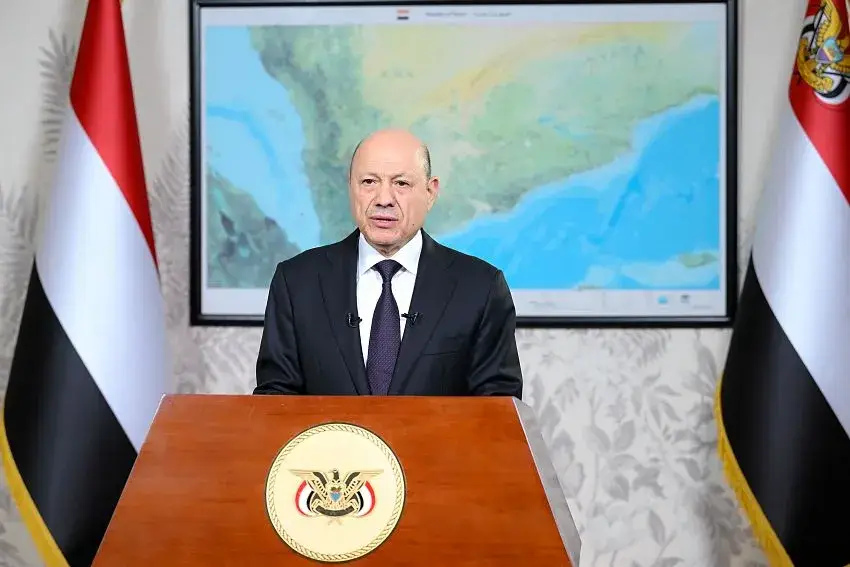

Direct Appeal for Support in Ongoing Conflict
Yemen’s President Rashad al-Alimi has formally requested assistance from US President Donald Trump to address the ongoing conflict with the Iran-backed Houthi movement. The appeal was made during a telephone conversation between the two leaders that took place on Sunday, according to reports published by The CSR Journal.
The discussion focused on the security challenges facing Yemen’s government as it contends with the insurgent group. Alimi sought to reaffirm solidarity with his administration through the dialogue with the US president. The call served as a direct channel for the Yemeni leader to outline his needs regarding the military situation within the country.
Despite the explicit request for help, President Trump did not agree to provide military support during the exchange. Reports indicate that the US president stopped short of making any military pledges to back Yemen’s government. This refusal marks a specific boundary in the diplomatic engagement between Washington and Aden regarding the scope of American involvement in the regional dispute.
Diplomatic Boundaries and Regional Implications
The interaction highlights the current limits of US military commitment under President Trump’s administration to foreign conflicts. While the call aimed to strengthen ties with Yemen’s government, the outcome clarified that Washington would not extend its armed forces or direct military aid in this instance.
Focus on Solidarity Over Force
The primary objective of the Sunday conversation was to reaffirm political solidarity rather than operational support. By declining a military commitment, President Trump distinguished between diplomatic alignment and active participation in the Yemeni theater. The Houthi movement, identified in reports as being backed by Iran, remains the central adversary for Alimi’s government.
The CSR Journal reported the details of the call on September 23, 2026. The publication noted that while the US president defended his broader stance on conflict during other engagements, such as indicating possible negotiations at the United Nations General Assembly regarding Iran, he did not extend similar forward-looking commitments to Yemen.
Context of Regional Tensions
The request for aid emerges against a backdrop of continued instability in Yemen. The Houthi movement has been a persistent force in the region, supported by external actors including Iran. Alimi’s administration has faced significant pressure from the group, necessitating international support to maintain control.
President Trump’s decision not to pledge military resources suggests a strategic choice to limit direct intervention in the conflict. The call with Alimi provided a platform for Yemen to voice its security concerns, but it did not result in the material assistance sought by the Yemeni president.
Reports from The CSR Journal emphasize that the US president’s refusal was definitive. There were no indications during the conversation that military aid would be reconsidered in the immediate future. The dialogue concluded with a reaffirmation of diplomatic relations, but without the expansion of military cooperation that Alimi had solicited.
The situation in Yemen continues to draw international attention, particularly regarding the influence of Iran-backed militias. However, the recent communication between Trump and Alimi establishes a clear precedent for the current administration’s approach: while solidarity is expressed through dialogue, direct military engagement is not being offered. This distinction defines the current state of US-Yemen relations as reported in late September 2026.