

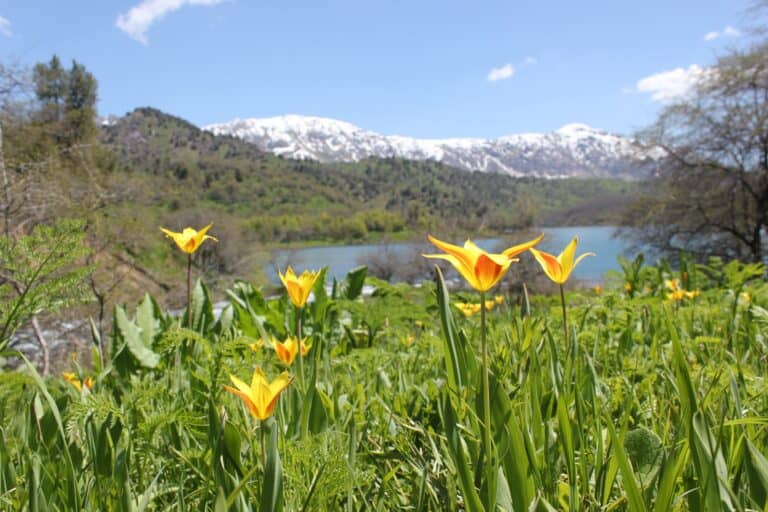

Genetic Analysis Pinpoints Central Asian Roots
A groundbreaking genetic analysis, encompassing a vast array of wild tulip species, has definitively located the botanical cradle of the tulip in Central Asia. This comprehensive research, spearheaded by botanist Brett Wilson, utilized advanced genetic sequencing to map the evolutionary pathways of the iconic flower. The study's findings underscore that the tulip's genesis cannot be attributed to a single modern nation-state, but rather to a broader, ecologically interconnected Central Asian expanse, challenging previous assumptions about its precise geographical origins.
Specifically, the rigorous genetic investigation pointed to Tulipa suaveolens and T. scardica as the closest genetic relatives and likely ancestors of the diverse garden tulips cultivated globally today. This identification provides crucial clarity on the botanical lineage, distinguishing the flower’s ancient, wild origins from its more recent history of selective breeding and commercial propagation. The genetic markers examined offered an unprecedented level of detail, allowing researchers to trace the evolutionary journey of the tulip with greater precision than ever before, solidifying its place in botanical history.
Brett Wilson, a prominent botanist who not only served as the lead author of this pivotal study but also co-founded the IUCN SSC Wild Tulip Specialist Group, emphasized the critical implications of these genetic revelations for conservation. Wilson issued a stark warning, stating that "urgent action is needed … if we are not going to lose a great many of these species." His remarks highlight the severe conservation challenges confronting tulip biodiversity within its native habitats, particularly as human activities and environmental shifts increasingly impact these fragile ecosystems, making the understanding of their origins even more vital for protective measures.
Global Market Dominance and the Wild Tulip's Precarious State
While the scientific spotlight now firmly illuminates Central Asia as the tulip's evolutionary birthplace, the flower's modern narrative is overwhelmingly dominated by a different geographical and economic reality. The Netherlands, a nation far removed from the tulip's wild origins, has cultivated an indelible association with the flower, becoming its undisputed global commercial hub. This contrast between the flower's ancient roots and its contemporary commercial stronghold presents a compelling dichotomy, showcasing both its natural heritage and its cultivated future.
The scale of Dutch dominance in the tulip market is staggering; data reveals that this low-lying European country is responsible for cultivating nearly 90% of the world's tulips. This immense horticultural output not only fuels a robust export industry but also underpins a significant tourism sector. Annually, between the months of March and May, millions of visitors are drawn to the vibrant, expansive tulip gardens and fields that transform the Dutch countryside into a spectacular tapestry of color, eager to witness the flowers in their full, cultivated glory, contributing significantly to the national economy.
Yet, this global commercial triumph stands in stark contrast to the precarious existence of wild tulip species. Despite the flower's widespread popularity and economic importance, more than half of all wild tulip species that have been assessed and listed on the IUCN Red List are currently facing the threat of extinction. This profound disparity between the tulip's celebrated status in Dutch tourism and its alarming vulnerability in its natural habitats underscores the urgent call for conservation action articulated by Wilson and the broader scientific community.
Conservation Focus Shifts to Native Habitats
The definitive confirmation of Central Asia as the primary region of origin for tulips fundamentally reorients the focus of global conservation efforts. Rather than a diffuse approach, attention can now be concentrated on the specific geographical areas where these plants naturally evolved and where their genetic diversity is most concentrated and, consequently, most at risk. The precise identification of Tulipa suaveolens and T. scardica as pivotal ancestors provides an invaluable scientific baseline. Understanding the genetic makeup of these foundational species is crucial for developing targeted conservation strategies aimed at preserving the broader genetic diversity of the genus, which is essential for the long-term health of all tulip varieties.
The IUCN SSC Wild Tulip Specialist Group, co-founded by Brett Wilson, plays a critical role in this global conservation endeavor. The group meticulously monitors the status of wild tulip species across their native ranges, utilizing the rigorous assessment criteria of the IUCN Red List. This Red List serves as the authoritative metric for gauging the extinction threat faced by wild tulip populations, presenting a stark and sobering contrast to the seemingly endless abundance of genetically uniform cultivated varieties that flourish in the Netherlands and are enjoyed worldwide. The group's work is vital in informing policy and guiding on-the-ground conservation initiatives to protect these endangered wild relatives.