

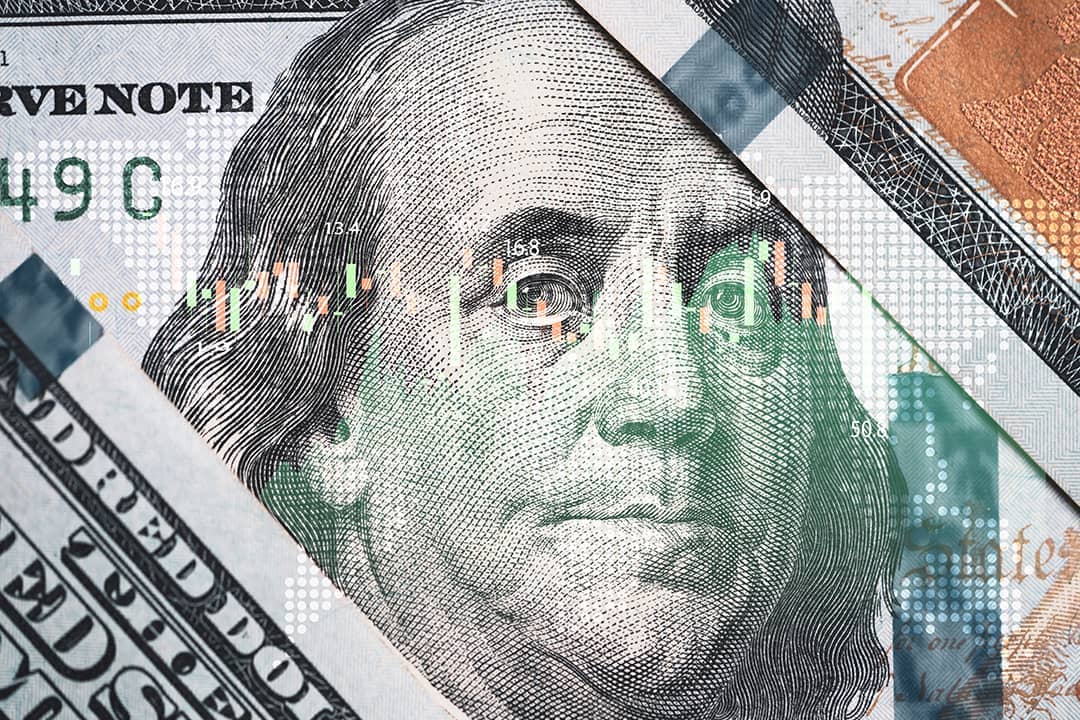

Swift Market Reaction to Diplomatic Breakthrough
In June 2026, geopolitical tensions between the United States and Iran escalated to what many observers described as a critical threshold, pushing the international community to the brink of a wider conflict. However, concerted diplomatic efforts led to a significant de-escalation, characterized as a crucial step back from the precipice. This pivotal moment had an immediate and discernible impact on global financial markets. According to comprehensive reporting by Stacker, published on August 29, 2026, the financial sectors responded to this diplomatic breakthrough with a rapid return to stability.
The calming effect on markets was remarkably swift, with reports indicating that market conditions stabilized almost overnight following the announcement of de-escalation efforts. This rapid shift saw a reduction in volatility and a general calming across institutional and broader financial sectors. The speed of this reaction underscored the market's sensitivity to geopolitical stability, demonstrating how quickly capital can flow back into perceived safety when immediate threats recede. However, this swift, institutional-driven market recovery presented a stark contrast to the prevailing sentiment observed among individual investors, signaling a significant divergence in confidence levels.
Individual Investors Express Lingering Distrust
Despite the rapid stabilization of broader market indicators and the apparent relief in institutional circles, retail investors did not mirror this newfound confidence. Their outlook remained markedly different, characterized by a deep-seated skepticism rather than a sense of relief. This sentiment was thoroughly documented in a survey conducted by MarketWise, which sought to understand the psychological impact of the recent geopolitical volatility and subsequent market shifts on individual investors.
The data collected from this extensive survey indicated that the prevailing mood among the surveyed group of retail investors was one of profound suspicion. Researchers noted that the majority of participants were not yet convinced by, or 'buying into,' the market rebound. This finding highlighted a significant disconnect between the positive macroeconomic indicators and the cautious, often distrustful, stance of individual investors, suggesting that confidence, once eroded, takes more than an overnight calm to rebuild.
MarketWise Survey Reveals Deep Skepticism
The MarketWise survey specifically targeted 1,006 retail investors across the United States, aiming to capture a representative snapshot of individual investor sentiment in the wake of the U.S.-Iran de-escalation. The primary objective of the study was to meticulously examine how the ceasefire and the subsequent market calm influenced investor psychology and their prospective investment behaviors. Researchers posed direct questions to participants, specifically inquiring how the ceasefire had altered their feelings about investing in the current climate.
The responses garnered from the survey painted a clear picture of reluctance among retail investors to fully embrace the current market stability. Many participants expressed ongoing caution and outright skepticism regarding the sustainability of the market rebound. This hesitation stemmed from a variety of factors, including concerns about underlying economic vulnerabilities, the potential for renewed geopolitical tensions, or a general distrust of rapid market recoveries that do not appear to be backed by fundamental shifts. The findings underscored that for a substantial portion of the retail investment community, the immediate cessation of a crisis was not enough to restore long-term confidence or encourage renewed engagement with the market.
The Chasm Between Market Stability and Investor Confidence
The pronounced divergence between the swift, overnight calming of the financial markets and the sustained, deep-seated skepticism of retail investors illuminates a complex and challenging dynamic in the landscape of post-crisis financial recovery. While institutional indicators, often driven by algorithmic trading and large-scale capital movements, stabilized rapidly in response to the de-escalation, individual participants demonstrated a clear need for more time or concrete evidence to adjust their outlooks and regain trust.