

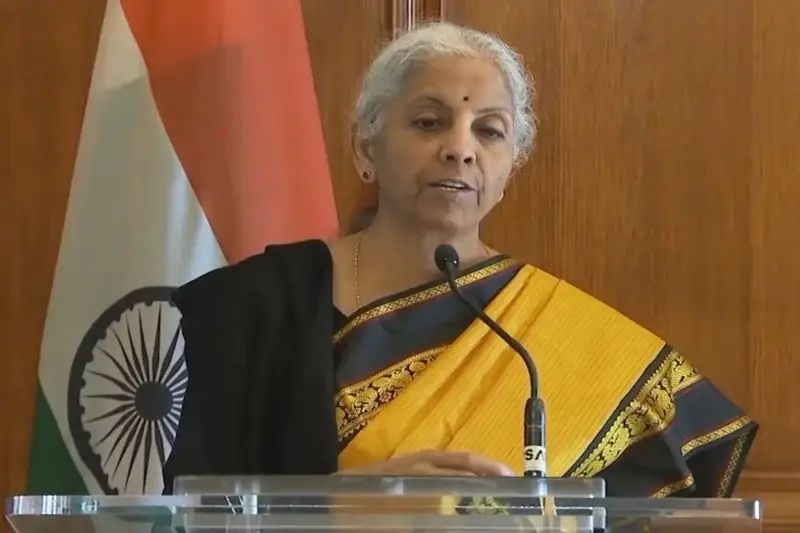

Sitharaman Begins Diplomatic Tour Across North America
Union Finance Minister Nirmala Sitharaman has commenced a diplomatic tour of the United States, which forms the second leg of a broader trip that also includes Canada. This extensive international engagement, designed to strengthen economic ties and facilitate high-level discussions, is scheduled to conclude on September 2, according to official reports detailing the minister's itinerary. The visit underscores India's proactive approach to engaging with key global economies, focusing on both bilateral investment opportunities and multilateral policy coordination.
Engaging with North American Economic Partners
The tour represents a significant diplomatic undertaking for India's Finance Minister, highlighting the nation's commitment to fostering robust economic relationships with North American partners. Such high-level visits are crucial for articulating India's economic vision, attracting foreign direct investment, and addressing shared global economic challenges. The initial leg in Canada and the subsequent engagements across the United States collectively aim to reinforce India's position on the international economic stage, paving the way for enhanced trade and investment flows.
Itinerary Includes Major Financial Hubs
During her time in the United States, Sitharaman is set to hold engagements with investors and corporate leaders across three distinct cities. The planned stops include Chicago, Asheville, and New York. These meetings are described as a vital part of the diplomatic visit, specifically aimed at fostering economic ties and facilitating direct dialogue with key business stakeholders in these influential regions. The selection of these cities reflects a strategic focus on tapping into diverse segments of the American investment landscape, from major financial centers to potentially emerging or specialized economic hubs.
Engagements with corporate leaders and investors are critical for showcasing India's economic growth trajectory, policy reforms, and investment opportunities across various sectors. Such direct interactions provide a platform for addressing potential concerns, clarifying regulatory frameworks, and building confidence among international investors, ultimately encouraging greater foreign capital inflow into the Indian economy.
Focus on G20 Finance Ministers Meeting
A central and highly significant component of Sitharaman's U.S. itinerary is her attendance at the G20 Finance Ministers and Central Bank Governors meetings. These high-level gatherings are being hosted by the United States, positioning them as a focal point for international economic coordination and policy discourse during this period. The G20, comprising the world's major advanced and emerging economies, plays a pivotal role in shaping global economic governance and addressing pressing financial challenges.
The G20's Role in Global Economic Stability
The G20 forum is instrumental in fostering international cooperation on financial stability, climate change, sustainable development, and other critical global issues. The participation of finance ministers and central bank governors ensures that discussions are grounded in economic realities and policy implications. India's active involvement in these meetings reflects its growing influence in global economic affairs and its commitment to contributing constructively to multilateral solutions for shared challenges.
Agenda Items Highlight Global Economic Challenges
The discussions anticipated at the U.S.-hosted G20 meetings cover a range of critical global economic issues, reflecting the complex and interconnected nature of the international financial landscape. According to the source material, the agenda is expected to address several key areas:
- Trade Imbalances: Discussions will likely focus on strategies to promote balanced and sustainable global trade, addressing disparities that can lead to economic friction and protectionist measures.
- Sovereign Debts: A critical issue, particularly for developing nations, the agenda will likely explore mechanisms for sustainable debt management, relief, and preventing future debt crises that could destabilize the global financial system.
- Supply Chain Resilience: Building on recent global disruptions, this topic aims to enhance the robustness and reliability of international supply chains, crucial for ensuring the smooth flow of goods and services worldwide.
- Energy Security: Amidst fluctuating global energy markets and geopolitical tensions, discussions will center on ensuring stable and affordable energy supplies, exploring diverse energy sources, and advancing the clean energy transition.
- Geopolitics: The overarching influence of geopolitical developments on economic stability, trade relations, and investment flows will also be a key discussion point, recognizing the intricate link between political stability and economic prosperity.
These topics reflect the complex financial landscape currently facing the international community. The inclusion of supply chain resilience and energy security on the agenda underscores the ongoing efforts to stabilize global markets amidst geopolitical tensions and economic shifts, highlighting the G20's role in proactive problem-solving.
Timing of the Visit Amidst Global Economic Climate
The visit occurs during a period described as significant for the international community, marked by a confluence of economic uncertainties and geopolitical shifts. The convergence of Sitharaman's bilateral engagements with corporate leaders in Chicago, Asheville, and New York with the multilateral G20 finance meetings highlights the dual focus on fostering direct investment relationships and coordinating broader international economic policy.
India's Economic Diplomacy in a Volatile World
In a global environment characterized by inflation concerns, potential recessionary pressures in some major economies, and ongoing geopolitical conflicts impacting trade and energy markets, India's economic diplomacy takes on heightened importance. The minister's engagements provide an opportunity to articulate India's resilient economic performance, its reform agenda, and its potential as a stable and attractive investment destination amidst global volatility. Simultaneously, India's participation in the G20 meetings allows it to contribute to collective solutions for global challenges, reinforcing its commitment to multilateralism.
As the minister navigates this demanding diplomatic schedule, the outcomes of both the investor summits and the G20 discussions will likely influence future economic interactions between India and the United States, as well as within the broader G20 framework. The specific details of the discussions in Chicago and other U.S. cities remain tied to the scheduled engagements with investors and corporate leaders, focusing on tangible investment and partnership opportunities. The broader G20 deliberations, meanwhile, are expected to yield policy recommendations and frameworks aimed at enhancing global economic stability and cooperation.
The tour concludes on September 2, marking the end of this particular phase of Sitharaman's international duties. The focus remains on the factual progression of these meetings and the stated agenda items regarding trade, debt, and security as outlined in the reports, with an eye towards their implications for India's economic future and its role in the global economy.