


Central Asia: An "Untapped Goldmine" for Hong Kong Enterprises
Central Asia has been identified as an "untapped goldmine" for enterprises based in Hong Kong, presenting significant potential for business opportunities. This assessment suggests that the region could offer more avenues for growth and investment than those currently available in the Middle East.
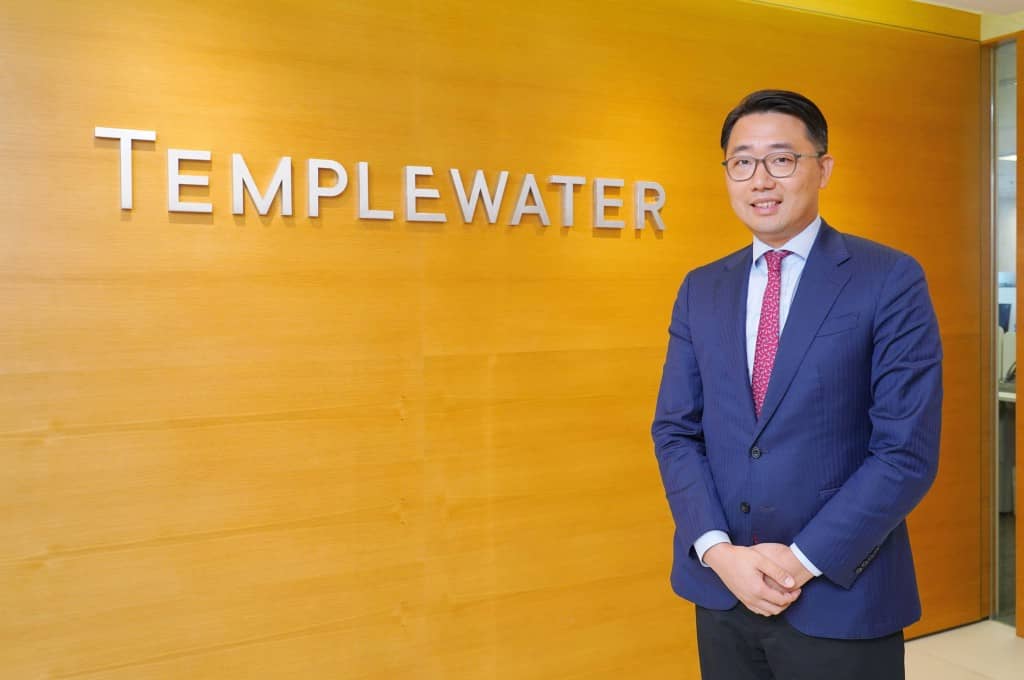
The perspective was articulated by Cliff Zhang, who serves as the chief executive and founding partner of the investment firm Templewater. Zhang's statement highlights a strategic shift in focus or an emerging recognition of Central Asia's economic prospects from the vantage point of Hong Kong's business community.
Perspective from Templewater
Templewater, an investment firm, has positioned itself to identify and capitalize on emerging market opportunities. Cliff Zhang's remarks underscore a strategic outlook that views Central Asia as a region ripe for engagement by Hong Kong-based companies. This assessment from a leading figure in the investment sector suggests a considered evaluation of the region's economic landscape, resource endowment, and development trajectory.
The firm's perspective indicates a belief in the long-term growth potential within Central Asian economies, which may not yet be fully recognized or exploited by a broad spectrum of international investors and businesses. Such an outlook often precedes increased focus and capital allocation towards a region.
Strategic Potential of Central Asia
Central Asia, comprising countries such as Kazakhstan, Uzbekistan, Kyrgyzstan, Tajikistan, and Turkmenistan, is geographically positioned at the crossroads of Europe and Asia. This strategic location has historically made it a significant corridor for trade and cultural exchange, a role that continues to evolve in the contemporary global economy.
The region is known for its rich natural resources, including substantial reserves of oil, natural gas, and various minerals. These resources form a foundational element of the Central Asian economies and present opportunities for investment in extraction, processing, and related industries. Beyond natural resources, the region also possesses a growing population and developing consumer markets.
Furthermore, Central Asian nations are actively engaged in infrastructure development, including transportation networks, energy projects, and digital connectivity initiatives. These developments are aimed at enhancing regional integration and facilitating international trade, thereby creating demand for expertise, technology, and capital from external partners.
Hong Kong's Role as a Gateway
Hong Kong maintains its status as a leading international financial center and a significant hub for trade, logistics, and professional services. Its robust financial infrastructure, free flow of capital, and established legal framework make it an attractive base for businesses seeking to expand into new markets.
Enterprises from Hong Kong possess expertise in a diverse range of sectors, including finance, technology, logistics, infrastructure development, and consumer goods. This expertise could be leveraged to address the development needs and market opportunities present in Central Asia. Hong Kong's role could extend to facilitating investment, providing advanced services, and acting as a conduit for technology transfer into the region.
The city's extensive network of international business connections and its experience in navigating complex cross-border transactions could also prove beneficial in establishing and growing ventures in Central Asian markets.
Contrasting with Opportunities in the Middle East
Zhang's comparison of Central Asia with the Middle East suggests a perception that, while the Middle East offers established and significant business opportunities, Central Asia may present a comparatively less saturated market with higher potential for initial entry and growth for Hong Kong enterprises. The Middle East has long been a focus for international investment, particularly in energy, finance, and large-scale infrastructure projects, leading to a more mature and competitive business environment.
In contrast, Central Asia, despite its strategic importance and resource wealth, may be viewed as having a relatively less developed international business presence from certain regions. This could translate into a greater scope for Hong Kong enterprises to establish early footholds, shape market trends, and secure advantageous positions in nascent or rapidly expanding sectors.
Key Sectors for Engagement
The "untapped goldmine" assessment implies opportunities across various sectors where Hong Kong enterprises could find significant engagement. These potential areas include:
- Infrastructure Development: Investment in transportation networks (roads, railways, airports), energy infrastructure (power generation, transmission), and digital infrastructure (telecommunications, data centers) to support regional connectivity and economic growth.
- Resource Processing and Manufacturing: Opportunities beyond raw material extraction, focusing on adding value through processing natural resources within the region, potentially leading to the development of new manufacturing capabilities.
- Logistics and Supply Chain Management: Leveraging Central Asia's strategic location to develop efficient logistics hubs and supply chain solutions that connect East and West.
- Financial Services and Investment: Providing capital, financial advisory services, and developing financial instruments to support local businesses and large-scale projects.
- Technology and Digitalization: Introducing advanced technologies and digital solutions across various industries, including e-commerce, fintech, and smart city initiatives, to enhance efficiency and modernize economies.
- Consumer Goods and Services: Catering to the needs of a growing middle class and urbanizing populations, with opportunities in retail, hospitality, and specialized services.
Regional Economic Development and Connectivity
Central Asian countries are increasingly focusing on regional economic cooperation and integration, often participating in broader initiatives aimed at enhancing connectivity across Eurasia. These efforts can create a more stable and predictable environment for foreign investment and trade, aligning with the long-term vision implied by the "untapped goldmine" assessment. The development of robust economic frameworks and cross-border projects within the region could further amplify the opportunities for external partners like Hong Kong enterprises seeking to establish a presence.