


Internal Divisions Fracture Political Parties
Messy primary elections are currently causing chaos and confusion for both the Democratic and Republican parties. This disorder is occurring in advance of the upcoming midterm elections scheduled for later this year, creating a volatile political landscape for candidates and voters alike.
The political landscape has been marred by internal conflicts that have led to strategic missteps on both sides of the aisle. Sources indicate that these divisions are not merely rhetorical but represent a tangible breakdown in party cohesion as candidates and voters navigate a fragmented electoral environment. This lack of unity complicates everything from fundraising efforts to the development of coherent national platforms, potentially hindering each party's ability to present a strong, unified front to the electorate.
Factional Rifts Within the Democratic Party
Within the Democratic coalition, significant friction has emerged between moderate factions and progressive groups. This division is reportedly preventing a unified strategy for the general election cycle ahead, as both wings of the party struggle to reconcile their differing priorities and approaches to governance.
The tension suggests that neither side can easily compromise on core issues or candidate selection criteria without risking alienation of their base. This internal struggle often manifests in hotly contested primaries where ideological purity tests can overshadow electability. According to reports circulating from multiple outlets including The News Herald, this split creates an environment where primary voters may feel compelled to support candidates who align strictly with specific ideological lines rather than those offering broader appeal. The long-term consequence of such an approach could be the nomination of candidates who struggle to win over independent or swing voters in the general election.
Republican Strategy Complicated by External Factors
The Republican party faces its own set of challenges that extend beyond internal candidate selection, significantly impacting its strategic outlook for the midterms. Former President Donald Trump remains a central figure in the current political discourse, though his influence is characterized by a continued focus on past election grievances rather than forward-looking policy proposals. This focus can divert attention from current economic or social issues, potentially forcing other Republican candidates to align with retrospective narratives rather than addressing present-day concerns of voters.
According to The News Herald and Troy Record reports published on Wednesday, July 22nd, 2026, former President Trump has led the country into what officials describe as a prolonged conflict with Iran. This geopolitical situation is reported to be impacting global oil prices significantly, adding a complex layer of foreign policy and economic instability to the election cycle. The conflict has drawn national resources and attention, creating a challenging backdrop for domestic political campaigns.
Economic Ripple Effects of Geopolitical Conflict
The ongoing international tensions have created economic uncertainty that political strategists are trying to navigate during this election cycle. The impact on energy markets adds another layer of complexity to the campaign messages being developed by both parties, as fluctuating fuel costs directly affect household budgets and broader economic stability. This situation forces candidates to address not only domestic policy but also the far-reaching consequences of international events on the American economy.
Analysts note that while Republicans attempt to leverage national security concerns, framing the conflict as a matter of strength and global leadership, Democrats point to domestic economic instability as a key issue for voters. These voters may be feeling the effects of fluctuating fuel costs and broader inflationary pressures resulting from global supply chain disruptions linked to these conflicts. This divergence in messaging highlights the challenge of crafting a cohesive economic narrative amidst complex global events.
Campaign Infrastructure Under Pressure
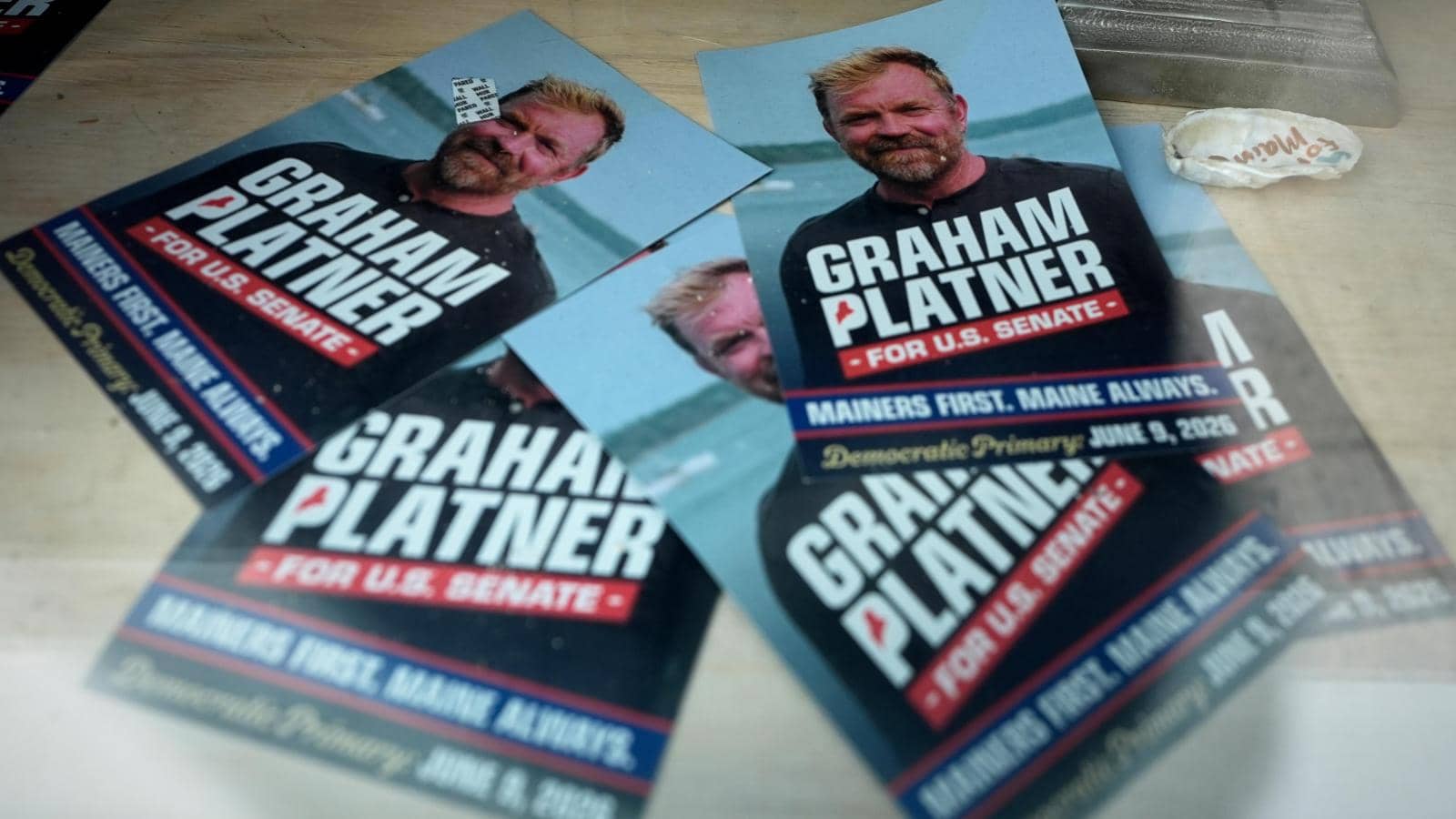
The logistical challenges facing campaigns are compounded by the timing of primary elections, which often leave limited time for parties to consolidate resources and messaging before the general election. Campaign flyers for former Democratic candidate Graham Platner were reportedly visible at his headquarters in Ellsworth, Maine on Thursday, July 9th, 2026. This location serves as one example where candidates must establish their presence while dealing with national-level distractions, resource allocation challenges, and the need to quickly pivot from primary battles to general election strategies.
Media Coverage and Public Perception
Coverage of these events has appeared across multiple publications including The News Herald, Troy Record, Boulder Daily Camera, and Greeley Tribune on July 22nd, 2026. These outlets report similar narratives about the state of political disorder affecting both major parties, indicating a widespread recognition of the challenges facing the American political system.
The convergence of reports from Michigan-based sources like The News Herald with Colorado papers such as the Boulder Daily Camera suggests that these issues are being framed as national problems rather than regional ones. This cross-regional reporting indicates a widespread recognition of the challenges facing American democracy in this election cycle, shaping public perception of party competence and unity across diverse geographic areas.
Strategic Implications for General Election
The chaos generated during primary seasons is expected to carry forward into general elections later this year, potentially undermining party efforts to present a united front. Candidates emerging from messy primaries may struggle with coalition building, as the animosities and ideological divides from the primary contests can be difficult to heal. Furthermore, maintaining message discipline becomes a significant challenge when candidates must reconcile their primary campaign promises with the broader appeal needed for a general election victory.
This internal friction can leave candidates vulnerable to opponents who have experienced smoother nomination processes, allowing them to conserve resources and focus on a consistent general election message. The ability to quickly pivot, unite factions, and present a clear vision will be crucial for any candidate hoping to overcome the hurdles created by a tumultuous primary season.