


Detention of Nationals in Dalian
Tokyo – Two Japanese nationals have been detained by Chinese authorities in the port city of Dalian, according to information provided by sources familiar with Japan-China relations. The individuals are suspected of attempting to smuggle processed rare earth products out of China.
The detention occurred within the framework of strict export controls implemented by the Chinese government regarding rare earth materials. Rare earth elements are critical components in the manufacturing of electronics, electric vehicles, and defense systems, leading to rigorous regulatory oversight of their movement across borders.
While specific details regarding the methods used or the quantity of materials involved were not immediately disclosed in initial reports, the incident highlights the ongoing enforcement of China’s export regulations. The Chinese government maintains strict controls over the export of rare earths, a policy designed to manage domestic resources and maintain leverage in global supply chains.
Japanese Government Response
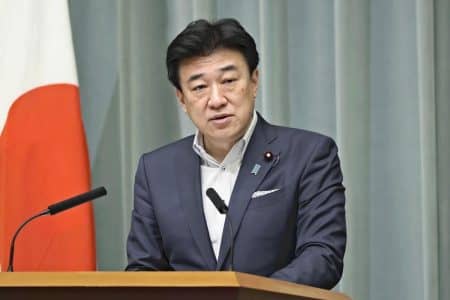
Japan’s Chief Cabinet Secretary Minoru Kihara addressed the situation during a press conference held at the Prime Minister’s Office. During the briefing, Kihara confirmed that Chinese authorities had formally notified Japan of the detentions.
The notification from Chinese officials took place on a Wednesday morning. The specific date of the detention was not fully detailed in the initial summary of events, but the diplomatic communication followed shortly after the incident came to light.
Kihara’s announcement provided the first official acknowledgment from the Japanese government regarding the case. By confirming receipt of the notification, the Chief Cabinet Secretary established that Tokyo was aware of the legal proceedings against its citizens and that diplomatic channels were being utilized to address the matter.
Diplomatic Implications and Regulatory Context
The detention underscores the complexity of bilateral relations between Japan and China, particularly concerning economic and security-related issues. Rare earth exports have frequently been a point of contention in regional geopolitics, with both nations relying on complex supply networks for industrial production.
China’s strict control over rare earth exports is well-documented. The government has utilized these controls as a tool of economic statecraft in the past, restricting shipments to influence global markets and diplomatic outcomes. The enforcement of these rules against foreign nationals signals a continued commitment to preventing unauthorized transfers of strategic materials.
As of the date of the press conference, no further details were released regarding the legal status of the detainees or the potential penalties they might face under Chinese law. The Japanese government’s immediate response was limited to confirming the notification received from Beijing.
Timeline of Events
The sequence of events surrounding the detention spans several weeks. Initial reports and diplomatic notifications were reported in late May, with official confirmation provided by Chief Cabinet Secretary Kihara on a Wednesday morning. The incident was subsequently covered in media outlets in mid-June and referenced in later reporting in August 2026.
The Yomiuri Shimbun, which reported on the press conference held by Kihara, noted that the Chief Cabinet Secretary had addressed the media regarding the situation. The publication highlighted the strict nature of Chinese export controls as a key factor in the case.
Observers note that such detentions can have broader implications for trade relations and diplomatic dialogue between Tokyo and Beijing. However, at this stage, the focus remains on the specific legal allegations against the two individuals and the verification of their status by Japanese officials.