


Repurposing Abandoned Mining Infrastructure for Controlled Farming
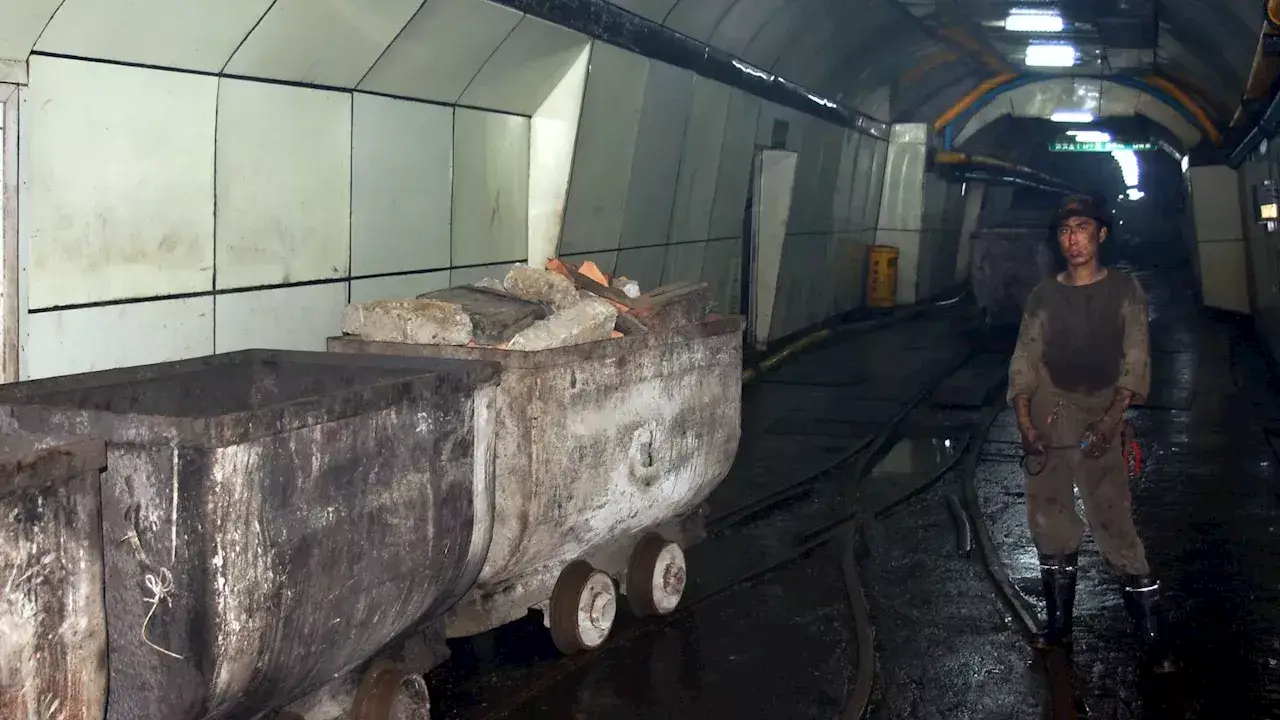
Chinese scientists are proposing a significant shift in land use by repurposing abandoned coal mines into underground agricultural laboratories. The initiative aims to utilize the vast spaces and existing infrastructure left behind by China’s extensive mining industry to explore farming in controlled environments. According to researchers, these subterranean structures offer a unique opportunity to develop "closed-environment farming" systems that are insulated from external weather conditions.
The proposal outlines a strategy to address vulnerabilities in conventional agriculture caused by climate change. By moving agricultural research underground, scientists hope to create stable environments for studying crop production independent of surface-level climatic fluctuations. This approach leverages the physical characteristics of former mining operations, which include large voids and established support systems that can be adapted for biological use.
Research from Shanxi Province Engineering Center
Researchers from the Shanxi Province Coal-based Resources Green and High-efficiency Development Engineering Center outlined this proposal in a recent paper published in China. The study focuses on the technical feasibility of transforming these disused industrial sites into functional agricultural spaces. The researchers argue that the geological stability and enclosed nature of coal mines make them ideal candidates for controlled-environment agriculture.
The paper details how the existing infrastructure of abandoned mines can be modified to support hydroponic or aeroponic systems. These systems would allow for precise control over temperature, humidity, and light, factors that are critical for consistent crop yields in a changing climate. The researchers emphasize that this method could reduce the reliance on arable land that is increasingly subject to droughts, floods, and soil degradation.
Scale of Potential Conversion Across China
China possesses a vast network of abandoned coal mines resulting from decades of intensive resource extraction. The country is expected to have around 15,000 such sites available for potential conversion, according to data cited in the research. This large number provides a substantial foundation for scaling underground agricultural experiments.
Addressing Climate Vulnerabilities in Agriculture
The primary driver behind this proposal is the increasing vulnerability of conventional agriculture to climate change. Surface farming faces growing risks from extreme weather events, shifting precipitation patterns, and rising temperatures. By contrast, underground environments maintain more consistent conditions, potentially allowing for year-round production without the disruptions caused by seasonal variations.
Researchers note that closed-environment farming can also reduce the need for pesticides and herbicides, as the isolated nature of the mines prevents many pests from entering the growing areas. This could lead to a reduction in chemical usage and a more sustainable approach to food production. The study suggests that such systems could complement traditional farming rather than replace it entirely.
Technical Challenges and Infrastructure Adaptation
While the potential benefits are outlined, the transition from mining to agriculture requires significant technical adaptation. The existing infrastructure of coal mines was designed for extraction and transport, not for biological cultivation. Modifications would include installing ventilation systems to manage air quality, lighting arrays to simulate sunlight, and water recycling mechanisms to support plant growth.
The researchers acknowledge that energy consumption would be a critical factor in the viability of underground farms. Lighting and climate control systems require substantial power inputs. However, the proposal suggests that renewable energy sources could be integrated into these sites to offset operational costs and environmental impacts.
Strategic Implications for Food Security
The exploration of subterranean agriculture is part of a broader effort to enhance national food security. With a large population to feed and limited arable land per capita, China is investing in innovative agricultural technologies. The repurposing of abandoned mines aligns with national goals for resource efficiency and sustainable development.
Shanxi Province, known for its coal reserves, is positioned as a key location for these experiments due to the density of abandoned sites in the region. The engineering center’s work serves as a pilot for other provinces with similar industrial legacies. If successful, the model could be replicated across China and potentially exported to other nations facing similar challenges with land use and climate change.
Future Directions for Underground Agricultural Research
The paper calls for further research into the economic and environmental impacts of converting coal mines to agricultural use. Long-term studies are needed to assess soil health, water usage, and crop yields in these unique environments. The researchers propose a phased approach, starting with small-scale pilot projects before scaling up to industrial levels.
International collaboration may also play a role in this endeavor. As other countries face similar issues with abandoned mining sites and climate-related agricultural risks, the Chinese model could provide valuable insights. The study highlights the need for interdisciplinary cooperation between engineers, agronomists, and environmental scientists to ensure the success of these underground laboratories.
Integration with Existing Energy Grids
Another aspect of the proposal involves integrating underground farms with existing energy grids. Many abandoned mines are located near power infrastructure that can support the high energy demands of controlled-environment farming. This integration could help stabilize local energy markets by providing a steady demand for electricity, particularly during periods of low renewable energy generation.
The researchers conclude that while the technical challenges are significant, the potential rewards in terms of food security and land conservation make the effort worthwhile. The proposal represents a novel approach to utilizing industrial heritage for sustainable development, turning liabilities into assets through scientific innovation.