

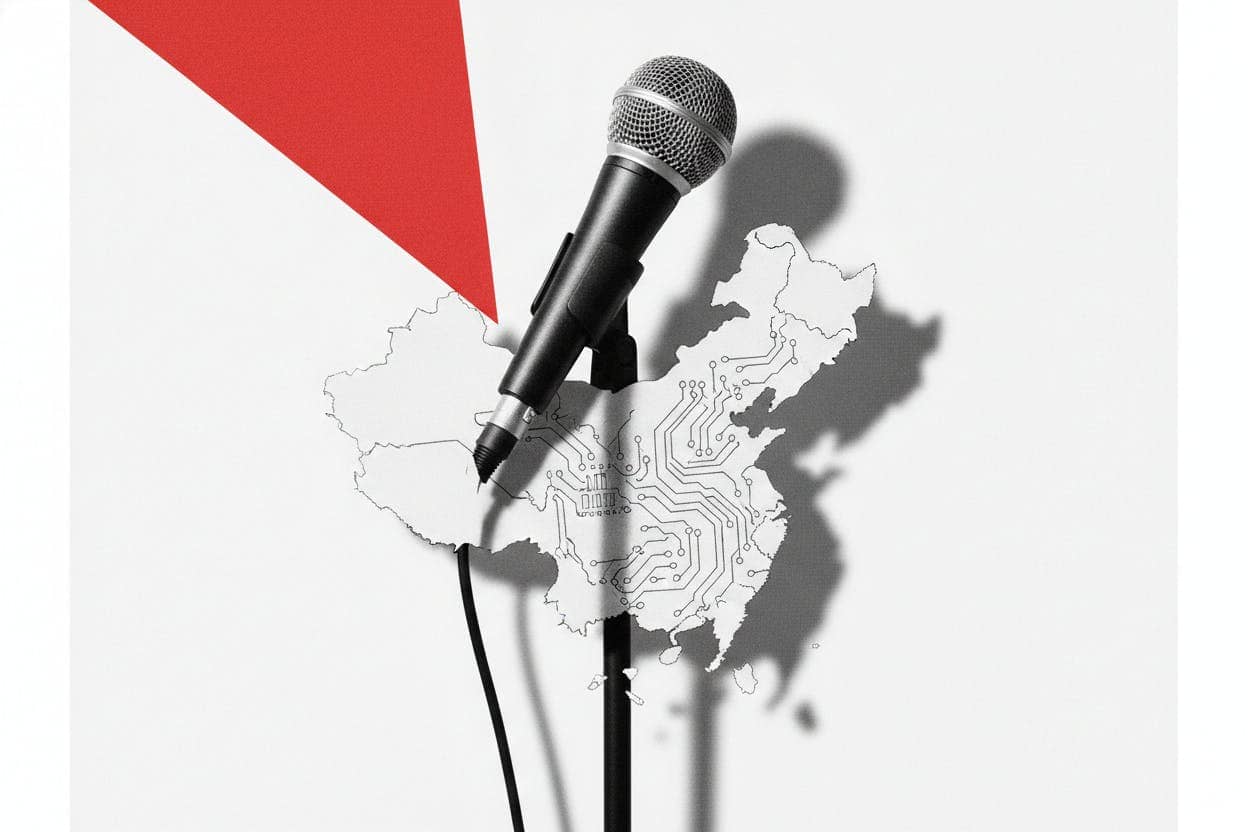

Technology Shares Lead Market Downturn
Chinese equity markets experienced a notable decline on Friday, with the technology sector serving as the primary driver of the downturn. The SSE STAR 50 index, which tracks high-growth tech companies, fell by 1.9%, marking the steepest drop among major benchmarks. This performance contrasted with broader market indices that saw more modest declines. The Shanghai Composite slipped 0.1%, while the Shenzhen Component fell 0.7%.
Uneven Selloff Highlights Sector Vulnerability
The uneven nature of the selloff highlighted the specific vulnerability of high-growth technology stocks. According to market analysis, the tech-heavy index took the biggest hit as investors turned cautious. This caution was largely attributed to anticipation surrounding upcoming economic data and central bank communications, particularly from the United States. The divergence between the steep drop in tech shares and the relative stability of broader indices underscored the sector-specific pressures facing Chinese equities, suggesting that while the overall market saw a dip, the tech segment bore the brunt of investor apprehension.
The SSE STAR 50 index, often seen as a barometer for China's innovation-driven economy, includes many companies whose valuations are heavily reliant on future growth prospects. This characteristic makes them particularly sensitive to shifts in the economic outlook and changes in interest rate expectations, as these factors directly influence the perceived value of their long-term earnings potential. The pronounced decline in this index signals a broader re-evaluation of risk within the tech sector.
Federal Reserve Signals Drive Investor Caution
US interest-rate uncertainty has emerged as a key factor impacting the valuation of high-growth tech companies globally, and Chinese markets are no exception. When traders lack clarity on the direction of US rates, they face difficulty determining the appropriate discount rate to value future profits. This ambiguity tends to affect high-growth technology firms first, as a larger portion of their valuation is derived from earnings expected further in the future. Higher discount rates diminish the present value of these distant earnings, making tech stocks less attractive.
Investor sentiment was further influenced by the upcoming Jackson Hole speech by Federal Reserve Chair Kevin Warsh. Market participants adjusted their positions ahead of this major central bank message, which is often used by Fed officials to signal future monetary policy direction. This anticipation led to a significant reduction in risk appetite across equity markets. Sina.com reported a shift toward a more cautious and "balanced" market stance among investors, indicating a move away from speculative investments. Chuangyuan Futures described the current market environment as a "zero-sum game," noting that upcoming earnings reports are becoming more critical than broad optimism, as investors seek concrete performance data in an uncertain landscape.
Geopolitical Friction Adds to Market Pressure
Beyond monetary policy, geopolitical tensions have also contributed to the reduced risk appetite in Chinese markets. Specifically, US-China friction related to Iran sanctions has added pressure to market sentiment. These ongoing international disputes create an additional layer of uncertainty for investors, who must factor in potential disruptions to trade, supply chains, and international relations. Such external geopolitical factors provided additional reasons for investors to take down risk ahead of the Federal Reserve's policy signals, compounding the effects of monetary policy ambiguity. The combination of US interest-rate uncertainty and geopolitical strain created a complex and challenging backdrop for equity trading, pushing investors towards safer assets and away from higher-risk growth stocks.
Domestic Regulatory Scrutiny Shapes Industry Outlook
Domestic regulatory actions also played a significant role in shaping sector sentiment within China. In a recent move, China instructed automakers to promptly file recall plans with the State Administration for Market Regulation after defects are found. This regulatory reminder highlighted how policy changes can swing sector sentiment quickly, even in industries seemingly unrelated to technology. The requirement for immediate reporting of vehicle defects serves as a factor that investors monitor when assessing risk in the automotive and broader industrial sectors, as it can impact operational costs, brand reputation, and future profitability.
Automaker Recall Mandates Signal Policy Shifts
The directive to automakers underscores a broader trend of increased regulatory oversight in various Chinese industries. For investors, such mandates signal a potentially more stringent operating environment, where compliance and transparency are paramount. While specific to the automotive sector, the principle of swift regulatory action and increased accountability can influence how investors perceive risk across other industries, including manufacturing and technology, where product quality and consumer safety are also under scrutiny. This heightened regulatory environment, combined with external monetary pressures and geopolitical friction, created a multifaceted challenge for market participants. The decline in the SSE STAR 50 reflected these combined forces, with tech shares bearing the brunt of the selling pressure. As investors await further clarity on US interest rates and global geopolitical developments, market volatility is expected to persist, driven by both macro and micro factors influencing investor confidence.