

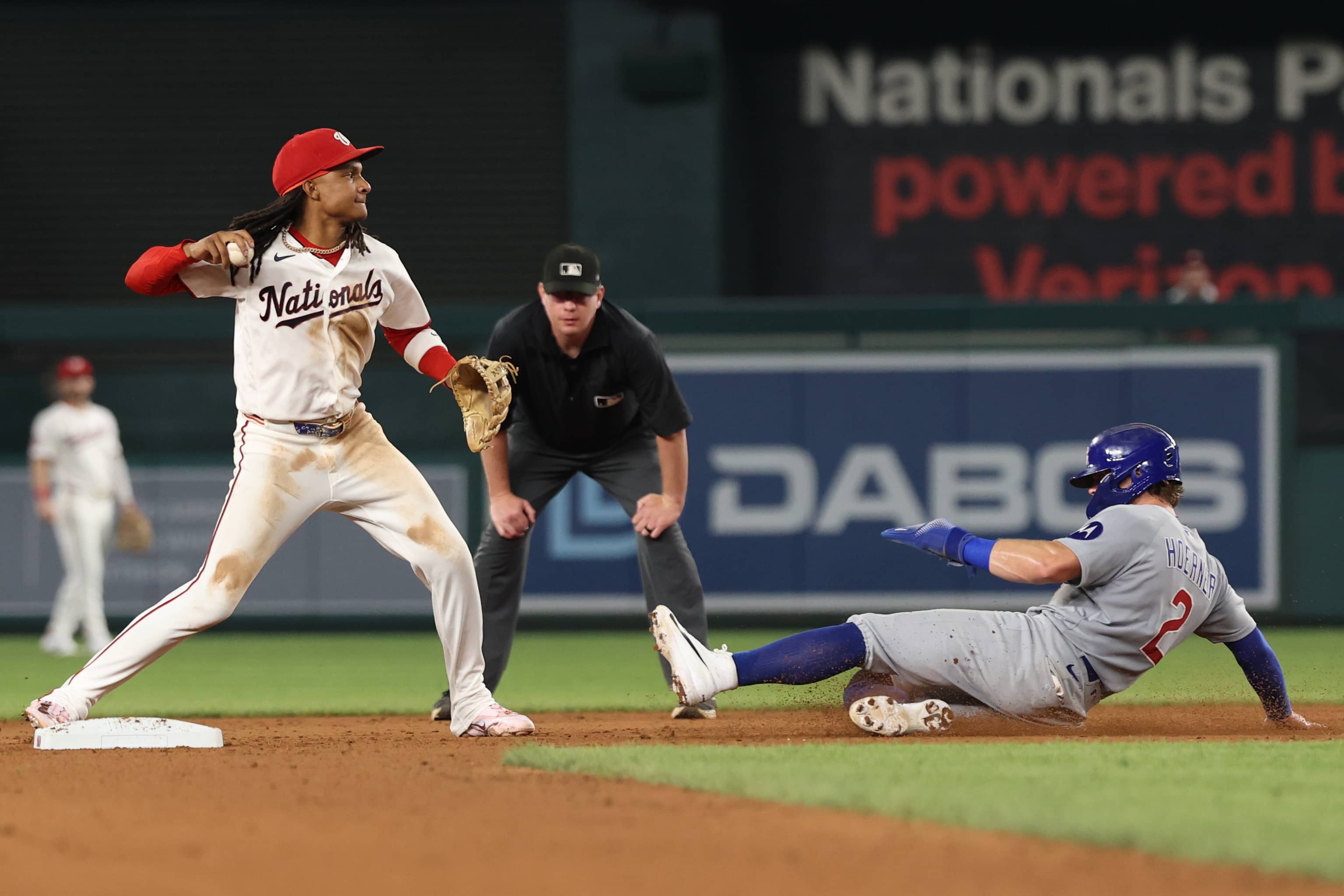

Nationals Manager Initiates Infield Shift for Defensive Boost
The Washington Nationals are implementing a significant structural change to their infield ahead of the final phase of the Major League Baseball season. Team manager Blake Butera confirmed that All-Star shortstop CJ Abrams will transition to the second base position in the near future. The primary objective behind this roster adjustment is to enhance the team's defensive capabilities as they navigate the late-season schedule.
Butera stated that the decision was made with the explicit goal of improving the overall defensive performance of the club. By shifting Abrams, who has been a staple at shortstop, to second base, the Nationals aim to optimize their infield alignment for the remaining games of the campaign. This strategic move underscores the organization's commitment to fine-tuning its roster in pursuit of its late-season objectives, signaling a willingness to adapt personnel roles to achieve specific tactical goals during the final stretch of the regular season.
The realignment of such a prominent player like Abrams, known for his athleticism and skill at a premium defensive position, highlights the urgency and importance the Nationals are placing on their defensive metrics. The manager's announcement suggests a proactive approach to addressing perceived weaknesses or capitalizing on potential strengths by reconfiguring the team's core infield.
Abrams Continues at Shortstop Amidst Positional Change Announcement
Despite the announced plans for a positional change, CJ Abrams continued to play his traditional role in recent team activities. During Friday’s game against the New York Mets, Abrams was listed as and performed as the shortstop for Washington. This immediate continuation in his established role indicates that while the decision has been made and communicated, the practical implementation of the shift is slated for a subsequent timeframe.
The transition to second base has not yet been executed on the field during this specific matchup. The announcement indicates that the move is planned for the “near future,” suggesting that the positional shift will occur in upcoming games rather than immediately within the context of the Friday contest against New York. This phased approach might allow for a smoother transition, potentially giving Abrams time to prepare mentally and physically for the demands of his new role, or it could be a strategic decision based on the specific opponent or game plan for the Mets series.
Player Response to the Upcoming Shift
When approached by members of the press regarding the strategic implications of the move, Abrams did not provide detailed commentary. Reports indicate that the player appeared reserved during his interactions with reporters following the announcement. This measured response from Abrams suggests a professional approach to the impending change, perhaps indicating a focus on the task at hand rather than engaging in speculative discussions about the future.
When speaking to media personnel about the upcoming positional change, Abrams was described as “mum,” offering little public insight into his perspective on the transition from shortstop to second base. The lack of extensive comment from the player stands in contrast to the strategic rationale provided by team management, leaving the public to infer Abrams' personal feelings about the significant alteration to his primary role on the field. Such a reserved demeanor is not uncommon for players navigating major career adjustments, often preferring to let their performance speak for itself once the change is fully implemented.
Defensive Strategy and Infield Dynamics
The decision to move an All-Star caliber player like Abrams represents a notable shift in the Nationals' defensive strategy. Shortstop is generally considered a premium defensive position requiring exceptional range, arm strength, and leadership in the infield, often involving covering significant ground and making difficult throws across the diamond. Second base, while also demanding precision, typically requires quick reflexes, adeptness at turning double plays, and precise footwork around the bag.
By moving Abrams, the Nationals are altering their infield configuration at a critical juncture in the season. Manager Butera’s announcement underscores the organization's focus on defensive metrics as they pursue their late-season objectives. The move signals a willingness to experiment with personnel roles to achieve specific tactical goals during the final stretch of the regular season, potentially aiming to leverage Abrams' athletic abilities in a position where his specific skills might be optimized for the team's overall defensive scheme.
Late-Season Roster Adjustments
The timing of this announcement coincides with the latter part of the baseball calendar. With the season entering its final stages, teams often make roster adjustments to address weaknesses, capitalize on specific matchups, or prepare for a potential playoff push. The Nationals have identified defense as an area requiring improvement, prompting the immediate reassignment of one of their most prominent players.
Such late-season changes can be pivotal, as teams look to solidify their strengths and mitigate any liabilities before the regular season concludes. The decision to move Abrams to second base reflects a calculated effort by the Nationals' management to enhance their defensive solidity, believing that this particular alignment will yield better results in the crucial games remaining. It demonstrates a proactive stance in attempting to maximize the team's competitive edge through strategic personnel deployment rather than waiting until the offseason to make fundamental changes.