

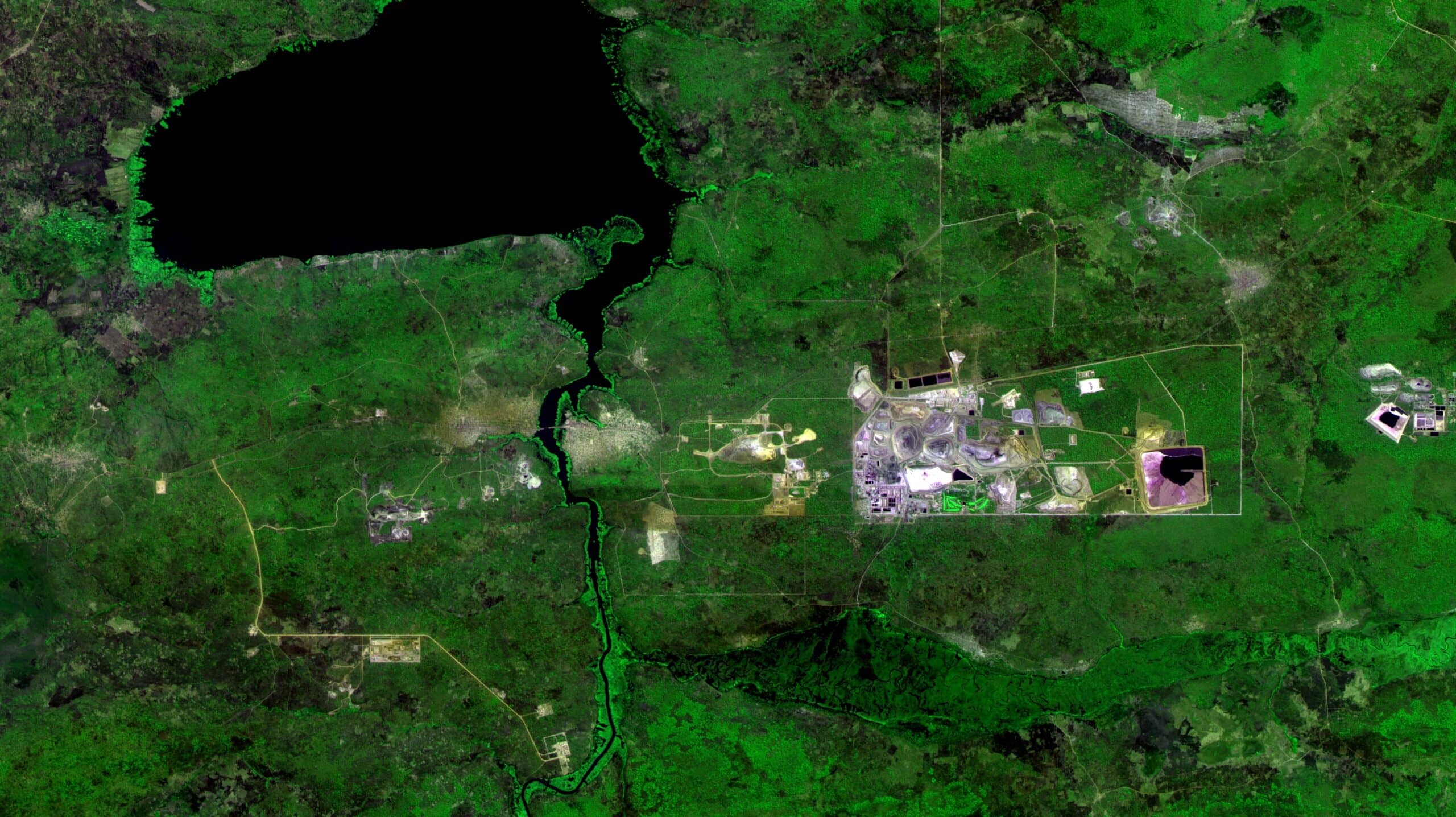

Democratic Republic of Congo Implements Strict Export Caps
The Democratic Republic of Congo has established a new regulatory framework for mineral exports, introducing strict quotas designed to limit the volume of cobalt leaving the country. According to data reported by The Rio Times, the government has set a specific export cap of 96,600 tonnes for cobalt. This policy change marks a significant adjustment in the nation's mining sector management, directly capping the amount of the critical battery metal that can be shipped to international markets.
The implementation of this 96,600-tonne limit is intended to regulate the flow of cobalt from one of the world's largest producers. By enforcing this ceiling, authorities are altering the supply dynamics for a metal essential to electric vehicle batteries and renewable energy storage systems. The cap applies to total exports, meaning that any production exceeding this threshold cannot be legally shipped out under the current quota rules.
Miners Pivot Operations Toward Copper Production
In response to the restricted cobalt quotas, mining companies operating in the region are adjusting their operational strategies. The restrictions are pushing miners to pivot their focus toward copper production as an alternative revenue stream. With cobalt exports capped, operators are reallocating resources and attention to copper, which remains less constrained by the new specific limits mentioned in the policy change.
This shift represents a tangible realignment of industrial activity within the DRC's mining sector. As cobalt output is artificially limited by the state-imposed cap, the economic incentive for miners is moving toward other available commodities. Copper has emerged as the primary alternative focus for these operations, allowing companies to maintain revenue levels despite the bottlenecks in cobalt logistics.
Market Dynamics and Price Movements
The reduced supply of cobalt resulting from the new quotas is influencing global trade patterns. Reports indicate that the limited availability is steering cobalt exports toward Western buyers. This redirection of supply chains occurs concurrently with a slump in cobalt prices, suggesting that while demand may remain, the pricing power and distribution channels are shifting due to the regulatory constraints.
Simultaneously, the copper market is reflecting its own set of data points. Copper prices are currently recorded at 6.61, showing a slight increase of 0.03%. This marginal rise in copper valuation coincides with the industry's pivot away from cobalt, highlighting the immediate economic adjustments taking place in response to the DRC's policy.
Broader Commodity Trends
The shift in mining focus within the DRC occurs against a backdrop of fluctuating global commodity markets. Other key metals and resources are showing varied performance metrics that provide context for the broader industrial environment. Gold prices have risen by 1.78% to reach 4,461, indicating strong interest in precious metals during this period.
Lithium, another critical component in battery technology often associated with cobalt, has increased by 1.47% to 75.20. These movements in gold and lithium prices occur alongside the copper price adjustment, illustrating a complex landscape for mineral investors and producers alike. The divergence between the slumping cobalt prices and the rising values of other commodities underscores the specific impact of the DRC's quota system on local mining strategies.
Impact on Regional Trade Flows
The combination of export caps and shifting miner focus is altering trade flows in Central Africa. By capping cobalt at 96,600 tonnes, the DRC is effectively forcing a reorientation of its mining output. The resulting increase in copper production activity suggests that the region's industrial base is adapting to regulatory pressures by maximizing output in less restricted sectors.
Western buyers are now receiving a larger share of the remaining cobalt exports due to the supply constraints, while domestic and regional miners prioritize copper extraction. This dual effect of redirected supply chains and altered production priorities defines the current state of the DRC's mining industry under the new regulatory regime.