

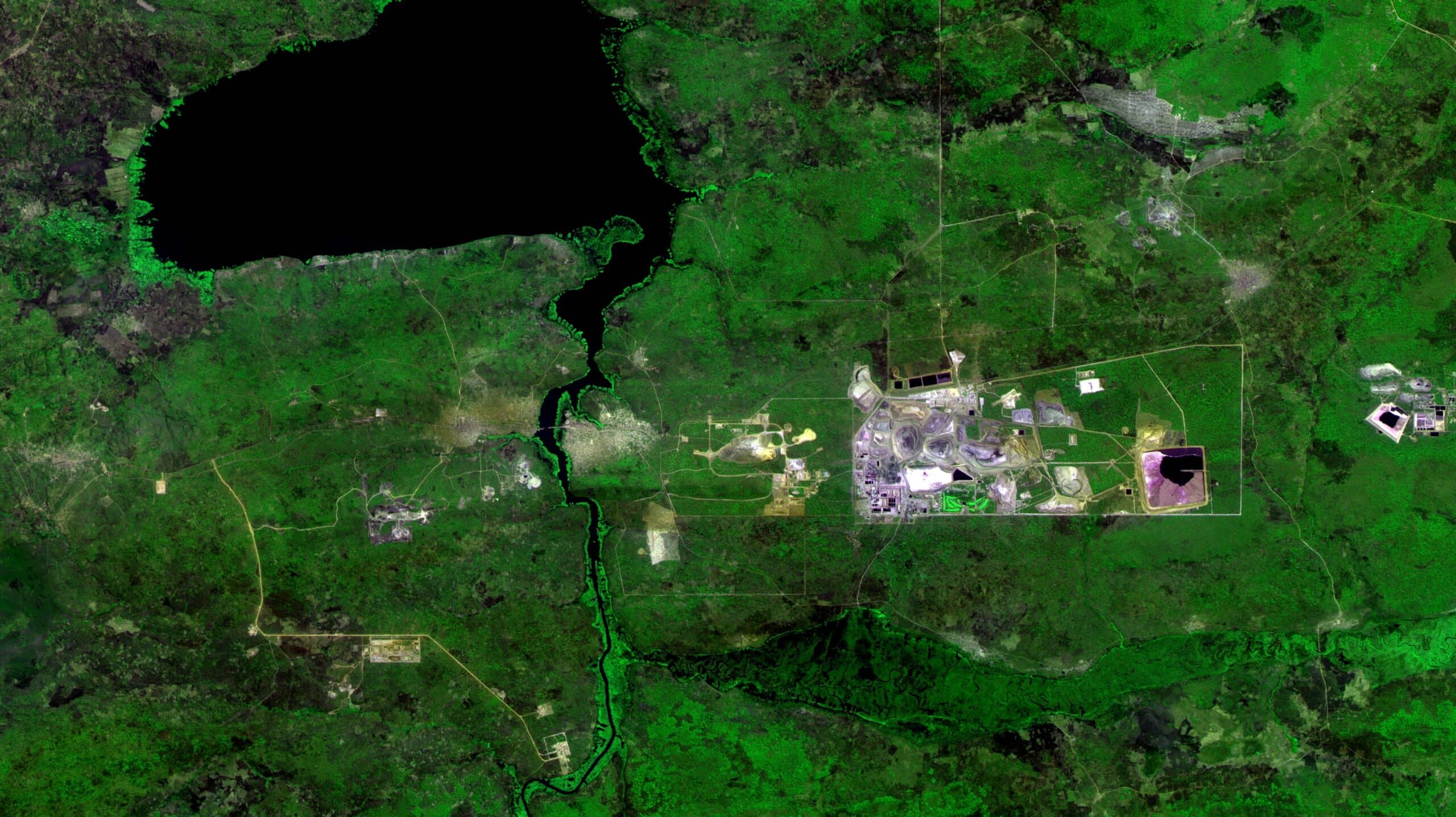

Implementation of Strict Production Caps
The Democratic Republic of Congo has enacted new regulatory measures that impose strict quotas on cobalt production, fundamentally altering the operational landscape for mining companies in the region. According to reports, these restrictions are designed to cap total cobalt exports, with the specific production limit set at 96,600 tonnes.
The implementation of this cap marks a significant policy shift for one of the world's largest producers of the critical battery metal. The new rules are actively limiting the volume of cobalt that can be exported from the country, creating immediate constraints on supply chains that have historically relied on Congolese output to meet global demand.
Operational Shifts Toward Copper Extraction
In response to these regulatory changes, mining companies operating within the DRC are adjusting their strategic priorities. The restrictions on cobalt are prompting firms to shift their operational focus toward copper mining activities. This pivot represents a tangible change in resource allocation and investment strategy for entities previously centered on cobalt extraction.
The move toward copper comes as the broader market context for cobalt has deteriorated. Cobalt prices are currently experiencing a slump, a factor that compounds the impact of the new production quotas. The combination of regulatory limits and declining market value is driving miners to seek alternative revenue streams within their existing operational footprints.
Market Dynamics and Pricing Pressures
The decline in cobalt prices has created financial pressure on producers who were previously dependent on high-margin sales of the metal. As valuations drop, the profitability of expanding cobalt output diminishes, making the newly imposed quotas even more restrictive for companies that might have otherwise sought to maximize production despite market conditions.
Consequently, the industry is witnessing a realignment of resources. Mining operations are increasingly directing capital and labor toward copper, which remains a viable alternative commodity within the region's extensive mineral deposits. This shift is not merely a reaction to regulation but also a response to the economic realities presented by falling cobalt valuations.
Redirection of Supply Chains to Western Markets
Beyond the internal operational changes within the DRC, the new regulations are influencing international trade flows. Reports indicate that the restrictions may be steering remaining cobalt supplies toward Western buyers. This suggests a potential restructuring of export destinations, moving away from previous primary markets and aligning more closely with demand in Western nations.
The redirection of supply is linked directly to the capping of production. With total output constrained by the 96,600-tonne limit, the available cobalt is being allocated differently than in previous years. The focus on Western buyers may reflect strategic partnerships or regulatory requirements tied to the new quota system.
Implications for Global Supply Networks
The shift in export destinations has broader implications for global supply networks. As Congo adjusts its cobalt output and redirects it toward Western markets, other regions that previously sourced from the DRC may need to seek alternative suppliers or rely on increased copper production from the same entities.
Simultaneously, the pivot to copper mining within Congo could alter the country's position in the global copper market. By increasing focus on this metal, Congolese miners are positioning themselves to meet rising demand for copper, which is essential for electrical infrastructure and other industrial applications, even as the cobalt sector faces headwinds from both policy and price declines.
Regulatory Impact on Industry Strategy
The strict quotas serve as a clear signal of the government's intent to manage its mineral resources more tightly. By capping cobalt at 96,600 tonnes, authorities are effectively controlling the pace of extraction and export. This control forces mining companies to adapt quickly, leading to the observed shift in focus toward copper.
The dual pressures of regulatory caps and market slumps create a complex environment for investors and operators. Companies must navigate reduced cobalt revenues while simultaneously ramping up copper operations. This transition requires significant logistical adjustments and may impact short-term financial performance as firms retool their extraction processes.
As the industry adjusts to these new realities, the long-term effects on Congo's mining sector remain to be seen. The immediate outcome is a clear divergence from previous trends, with cobalt production constrained and copper taking center stage in operational planning. The redirection of cobalt supplies to Western buyers further underscores the changing dynamics of global mineral trade originating from the region.