


Texas GOP Senate Runoff Concludes with Airwave Focus
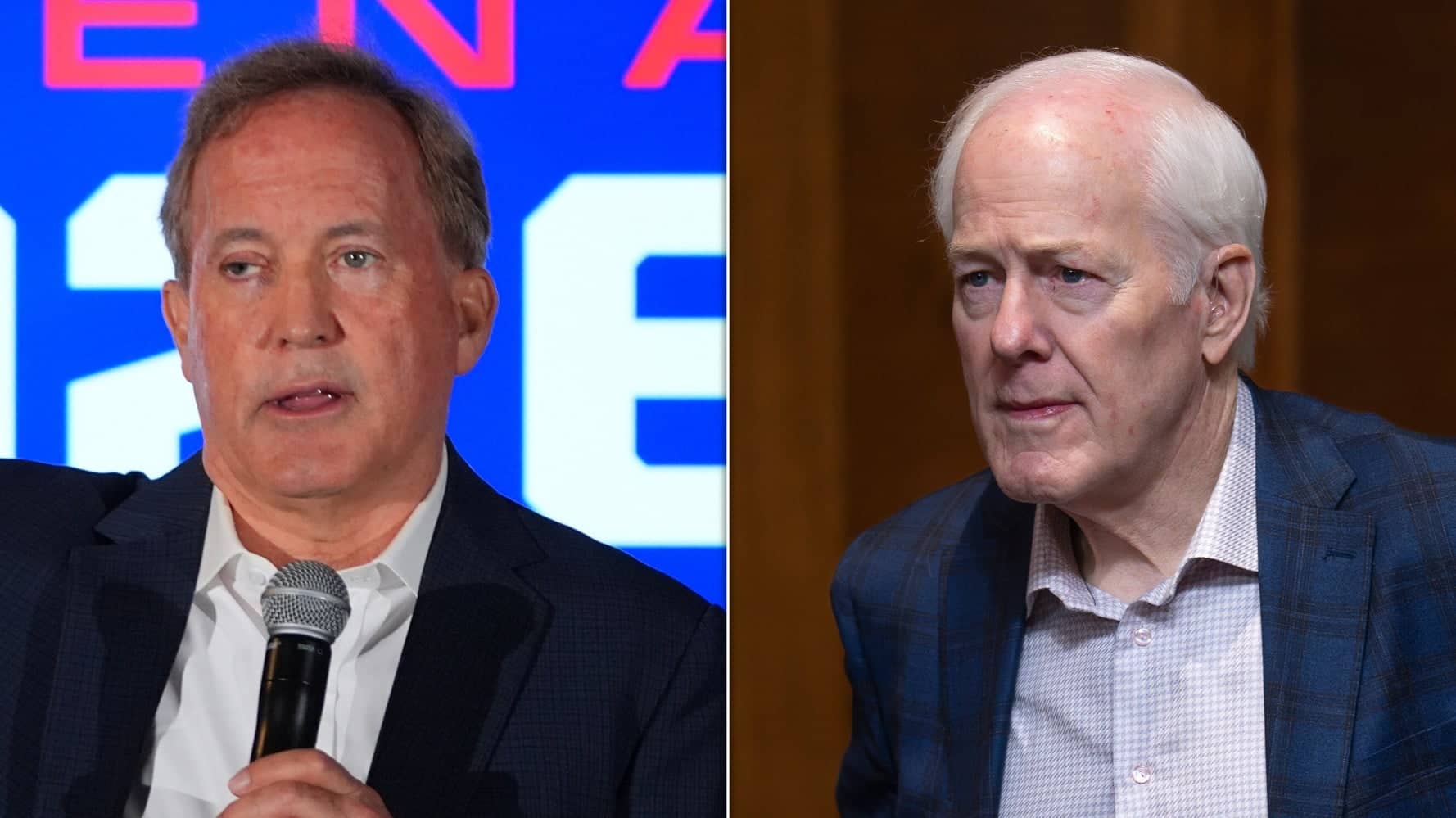
On the final day leading up to the Republican Senate runoff election in Texas, both incumbent Senator John Cornyn and State Attorney General Ken Paxton opted for a strategy centered on extensive media advertising rather than traditional public campaign events. As voters prepared to cast their ballots, the campaigns reportedly saturated Texas airwaves with their messages, a common tactic for reaching a broad electorate across a geographically vast state.
The runoff election, which pitted a long-serving senator against a high-profile state official, represented a significant contest within the Texas Republican Party. While the absence of public rallies or meet-and-greets on the eve of an election might seem unusual for some campaigns, it underscores a strategic decision to maximize reach through broadcast and digital platforms during the critical final hours before polls open.
Strategic Shift to Media Advertising
Campaigns often employ varied strategies depending on the stage of an election and the specific dynamics of the race. In the context of a runoff, where voter turnout can sometimes be lower than a general election, targeted and broad-reaching media campaigns can be particularly effective. By "flooding Texas airwaves," both the Cornyn and Paxton campaigns aimed to deliver their closing arguments directly into the homes and devices of potential voters without the logistical complexities of organizing multiple in-person events across a state as large as Texas.
This approach allows for a controlled message delivery, ensuring that the campaign's final appeals are consistent and widely disseminated. Advertising can reinforce key themes, highlight perceived strengths of a candidate, or draw contrasts with an opponent. For a statewide race in Texas, which encompasses diverse media markets from major metropolitan areas to rural communities, a robust advertising presence is often considered essential for effective voter communication.
Contrasting Campaign Themes: Experience Versus Change
Throughout the runoff campaign, the two candidates presented distinct visions and arguments to Republican voters. Senator John Cornyn, a long-tenured figure in Washington D.C., emphasized his extensive experience in the U.S. Senate. His campaign highlighted his legislative record, his seniority, and his established role in national politics, positioning him as a seasoned representative capable of navigating complex federal issues. The argument for experience often centers on a candidate's proven track record, their understanding of governmental processes, and their ability to secure resources or influence policy outcomes for their constituents.
Conversely, State Attorney General Ken Paxton campaigned on a platform advocating for change. His messaging often focused on a desire for new leadership and a different approach to representation in Washington. Campaigns emphasizing change typically appeal to voters seeking a departure from the status quo, promising fresh perspectives, renewed vigor, or a more assertive stance on particular issues. This contrast between established experience and a call for change became a central theme that voters were asked to weigh as they considered their choice in the runoff.
The Nature of Runoff Elections
Runoff elections, particularly in primary contests, are designed to ensure that the winning candidate secures a majority of the votes. In Texas, if no candidate receives more than 50% of the vote in the initial primary, the top two vote-getters proceed to a runoff. These elections often see a more engaged, but potentially smaller, segment of the electorate compared to general elections, making the final push for votes crucial.
The decision by both Cornyn and Paxton to prioritize airwave advertising on the final day reflects an understanding of this dynamic. It allowed them to reach an engaged Republican base efficiently, delivering their concluding arguments directly to those most likely to participate in the runoff. The campaigns aimed to mobilize their supporters and persuade undecided voters through repeated exposure to their core messages, rather than relying on the more limited reach of individual public appearances.
Candidate Profiles in the Runoff
Senator John Cornyn has served in the U.S. Senate since 2002, previously holding positions as Texas Attorney General and a Justice on the Texas Supreme Court. His campaign underscored his deep understanding of federal policy and his role in various legislative efforts over his tenure.
Ken Paxton, who has served as Texas Attorney General since 2015, brought a different profile to the race. His campaign often highlighted his legal battles and his conservative stances on state-level issues, framing his candidacy as a move to bring a more assertive conservative voice to the federal level.
The final day's strategy of both campaigns underscored the high stakes of the runoff, with each candidate making a last effort to define the choice for Texas Republican voters through widespread media outreach.