

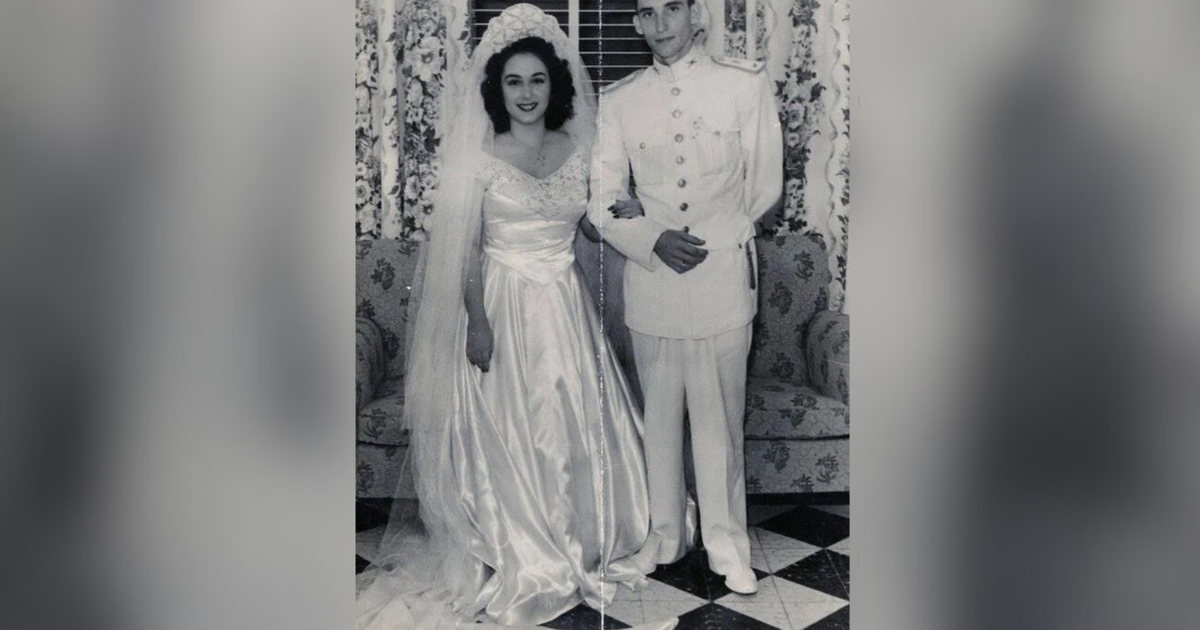

Cuba’s Future Remains Personal for Fort Myers Family
For one Fort Myers family, the geopolitical landscape of Cuba is not merely a distant news item but a deeply personal matter. Their home, known as the Hibiscus House, serves as a testament to their enduring Cuban heritage and connection to the island's future. The family’s experience illustrates how developments concerning Cuba have a direct, personal impact on individuals and families living abroad, particularly within the Cuban diaspora in the United States.
The Hibiscus House: A Reflection of Heritage
Inside the Hibiscus House in Fort Myers, Cuban heritage is woven into nearly every detail, creating an environment that consistently celebrates and preserves their cultural roots. This integration is evident in various aspects of the home, reflecting a deliberate and continuous effort by the family to maintain a strong connection to their ancestral origins. The atmosphere within the Hibiscus House is designed to be a constant reminder of their cultural background, fostering a space where Cuban traditions, memories, and historical narratives are actively preserved and shared across generations.
The presence of Cuban heritage extends beyond mere decorative elements. It encompasses a broader cultural tapestry that influences daily life within the home. This includes the regular preparation of traditional Cuban cuisine, the playing of Cuban music, and the active use of Spanish, particularly in storytelling that recounts family history and experiences from the island. The family engages in practices that keep their heritage alive, such as celebrating Cuban holidays and maintaining customs passed down through generations. These elements collectively contribute to a living cultural space that reinforces their identity.
Furthermore, the Hibiscus House often serves as a focal point for community gatherings, where shared experiences and connections to Cuba are reinforced. Such gatherings can involve discussions about the island's past and present, further solidifying the family's and their community's ties to their homeland. Through these deliberate efforts, the Hibiscus House functions as a cultural anchor, providing a tangible and vibrant link to Cuba despite the geographical distance and the complex political landscape separating the family from the island.
Geopolitical Developments and Personal Impact
The ongoing political and economic situation in Cuba, along with the evolving relationship between the United States and the island nation, directly affects the Fort Myers family in profound ways. Unlike abstract policy discussions often covered in international news, these geopolitical developments translate into tangible realities for those with deep personal ties to Cuba. Changes in travel regulations, for instance, directly impact the family's ability to visit relatives on the island, to participate in significant life events, or to provide direct support. Restrictions on travel can lead to prolonged separations and emotional strain.
Similarly, shifts in remittance policies, which govern the flow of money from abroad to Cuba, have immediate economic consequences for family members still residing on the island. For many Cuban families, remittances represent a crucial source of income for daily necessities, healthcare, and education. Any alteration to these policies can create significant financial hardship for their relatives, placing a direct burden on the diaspora family to adapt and find alternative means of support, or to grapple with the inability to provide assistance.
Diplomatic relations between the two countries also play a critical role. Periods of improved relations can facilitate communication, cultural exchange, and a sense of hope for future stability. Conversely, strained relations can lead to increased uncertainty, heightened emotional stress, and a feeling of disconnect from their ancestral homeland. The availability and reliability of communication channels, such as internet access and postal services, are also often influenced by political decisions, impacting the family's ability to stay in touch with loved ones.
For families like the one at the Hibiscus House, the future of Cuba is not an academic or theoretical concept. It is intrinsically linked to the well-being of their loved ones, the preservation of their cultural identity, and their hopes for the island's stability and prosperity. Each shift in policy, each economic challenge, and each social development in Cuba resonates within their lives in Fort Myers, underscoring the profound personal dimension of international relations and the constant awareness they maintain regarding events on the island.
The family's perspective highlights how the Cuban diaspora often navigates a dual reality, living in one country while remaining emotionally and culturally invested in another. This constant engagement with Cuba's future shapes their daily decisions, their community involvement, and their aspirations. The personal stakes involved mean that discussions and decisions regarding Cuba, whether in Washington D.C. or Havana, are always viewed through the lens of family, heritage, and the direct implications for their lives and the lives of those they care for deeply.
The commitment to maintaining their Cuban heritage, as exemplified by the Hibiscus House, serves as a testament to the enduring bonds that transcend borders and political divides. It illustrates how individual families continue to embody and reflect the complex history and ongoing narrative of Cuba, making the island's future a deeply personal journey for many members of the diaspora.