


Monetary Policy Tightens as Geopolitical Shocks Complicate Inflation Outlook
The Reserve Bank of Australia has raised its benchmark borrowing rate to 4.6 percent, marking the fourth rate hike in 2026 and pushing interest rates to their highest level in nearly 15 years. This latest decision comes as the central bank grapples with a complex economic landscape where domestic fiscal pressures intersect with escalating geopolitical instability.
RBA Governor Michele Bullock signaled that the US war with Iran was intensifying other underlying inflation drivers, noting that excess demand existed before the conflict started. The bank’s preferred measure of trimmed mean inflation was reported at 3.6 percent, remaining well above the target range of 2 to 3 percent.
In addressing the public, Governor Bullock stated that high inflation hurts all Australians and emphasized the need to stop expectations for high inflation from becoming embedded in price-setting decisions. She also deplored Australia's lacklustre productivity, noting its annual growth rate had sagged more than half since 2014/15 to 0.8 percent.
Fiscal Debate Reignites Amid Spending Records
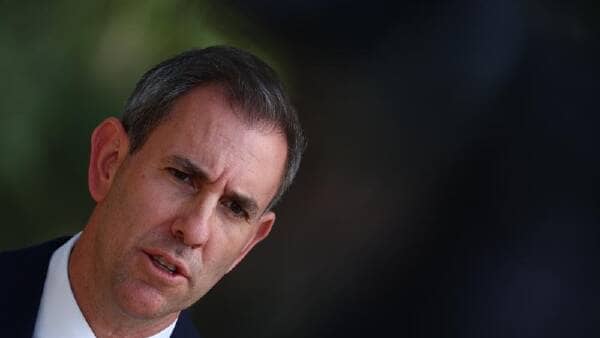
The inflation battle has intensified political tensions, with Treasurer Jim Chalmers rejecting claims that the government had been spendthrift and helped stoke inflation. He attributed the issue to geopolitical factors rather than domestic spending, telling reporters in Brisbane that the re-escalation of war had "turbocharged an existing inflation challenge."
Chalmers defended his record by noting he delivered the first two surpluses for a decade and a half. However, data indicates that government spending as a proportion of GDP climbed to 26.9 percent in 2025/26, described as the highest in four decades save for the COVID-19 pandemic.
Shadow Treasurer Tim Wilson argued that international effects did not explain the interest rate rise on February 3, which occurred before any bombs were dropped on Tehran. He called for the government to tighten its spending belt, challenging the Treasury's narrative that external shocks were the primary driver of current economic conditions.