

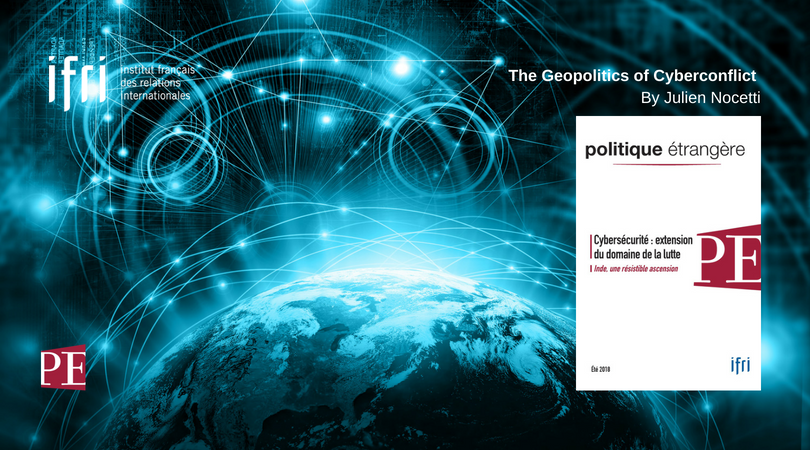

The Escalation of Digital Hostilities
Cyberattacks are becoming more frequent and more sophisticated, marking a significant shift in the nature of modern conflict. This trend has been documented by analysts examining the current landscape of digital security, which indicates that the volume and complexity of these incidents are on an upward trajectory. The increasing sophistication suggests that the tools and techniques used in these operations are evolving rapidly, requiring constant adaptation from defensive forces.
The rise in frequency is not merely a statistical anomaly but reflects a broader change in how geopolitical tensions are manifested. As digital infrastructure becomes more integral to global society, the attack surface expands, providing more opportunities for hostile actions. This environment creates a persistent state of vulnerability for both public and private sectors alike.
Blurred Lines Between Actors
A defining characteristic of this new era of conflict is the ambiguity surrounding who is responsible for these digital strikes. According to research published by the Institut français des relations internationales (Ifri), the perpetrators of cyberattacks can be states or private individuals. This duality complicates the traditional understanding of warfare, where clear distinctions between combatants and non-combatants are usually maintained.
Similarly, the victims of these attacks are not limited to any single category. Victims of cyberattacks can also be states or private individuals. This means that a single incident can have cascading effects across different sectors of society, impacting national security infrastructure while simultaneously compromising personal data and corporate assets. The overlap in roles—where a state might act as both an attacker and a victim, or where private entities are drawn into geopolitical struggles—adds layers of complexity to attribution and response strategies.
The Challenge of Attribution
The ability of states to conduct cyber operations through private individuals, or vice versa, creates significant challenges for international law and diplomatic responses. When a private individual launches an attack that aligns with state interests, or when a state uses private actors as proxies, determining the true source of the conflict becomes difficult. This ambiguity allows perpetrators to operate with a degree of plausible deniability, further complicating efforts to hold them accountable.
Grasping the Scope of Cyberconflict
Cyberconflict is a particularly difficult phenomenon to grasp, given the large number of participants involved. The sheer volume of actors—ranging from nation-states and their military branches to criminal organizations, hacktivists, and lone wolves—creates a fragmented landscape that defies simple categorization. Each actor may have different motivations, resources, and objectives, making it hard to identify a coherent pattern or strategy.
This complexity is exacerbated by the global nature of cyber operations. Attacks can originate from one country, pass through servers in multiple others, and impact targets in yet another location. This transnational flow of data and malicious code undermines traditional geographic boundaries that have historically defined conflict zones. As a result, the concept of territorial sovereignty is increasingly challenged by digital incursions that leave little physical trace.
The difficulty in grasping the phenomenon extends beyond just identifying who is involved. It also includes understanding the intent behind the attacks. Are they designed to steal data, disrupt services, or influence public opinion? The answers are often obscured by the technical sophistication of the tools used and the deliberate efforts of attackers to hide their tracks. This opacity makes it challenging for policymakers and security experts to develop effective countermeasures that address the root causes of cyberconflict rather than just its symptoms.
Implications for Global Security
The increasing frequency and sophistication of cyberattacks, combined with the blurred lines between state and private actors, pose significant challenges for global security frameworks. Traditional deterrence strategies, which rely on clear attribution and proportional response, may be less effective in this environment. The involvement of private individuals means that states can distance themselves from direct responsibility, while private actors may lack the diplomatic channels to negotiate or de-escalate conflicts.
Furthermore, the fact that victims can be both states and private individuals means that the burden of defense falls on a wide array of entities with varying levels of capability. Governments must work to protect critical infrastructure, while corporations and individuals must secure their own digital assets. This shared responsibility requires new forms of cooperation and information sharing across borders and sectors.
As cyberconflict continues to evolve, the international community faces the task of establishing norms and rules that can accommodate this complex reality. The current landscape, characterized by frequent and sophisticated attacks from a diverse range of actors, suggests that a purely military or diplomatic approach is insufficient. Instead, a comprehensive strategy that addresses the technical, legal, and social dimensions of cyber warfare will be necessary to mitigate the risks posed by this growing threat.