

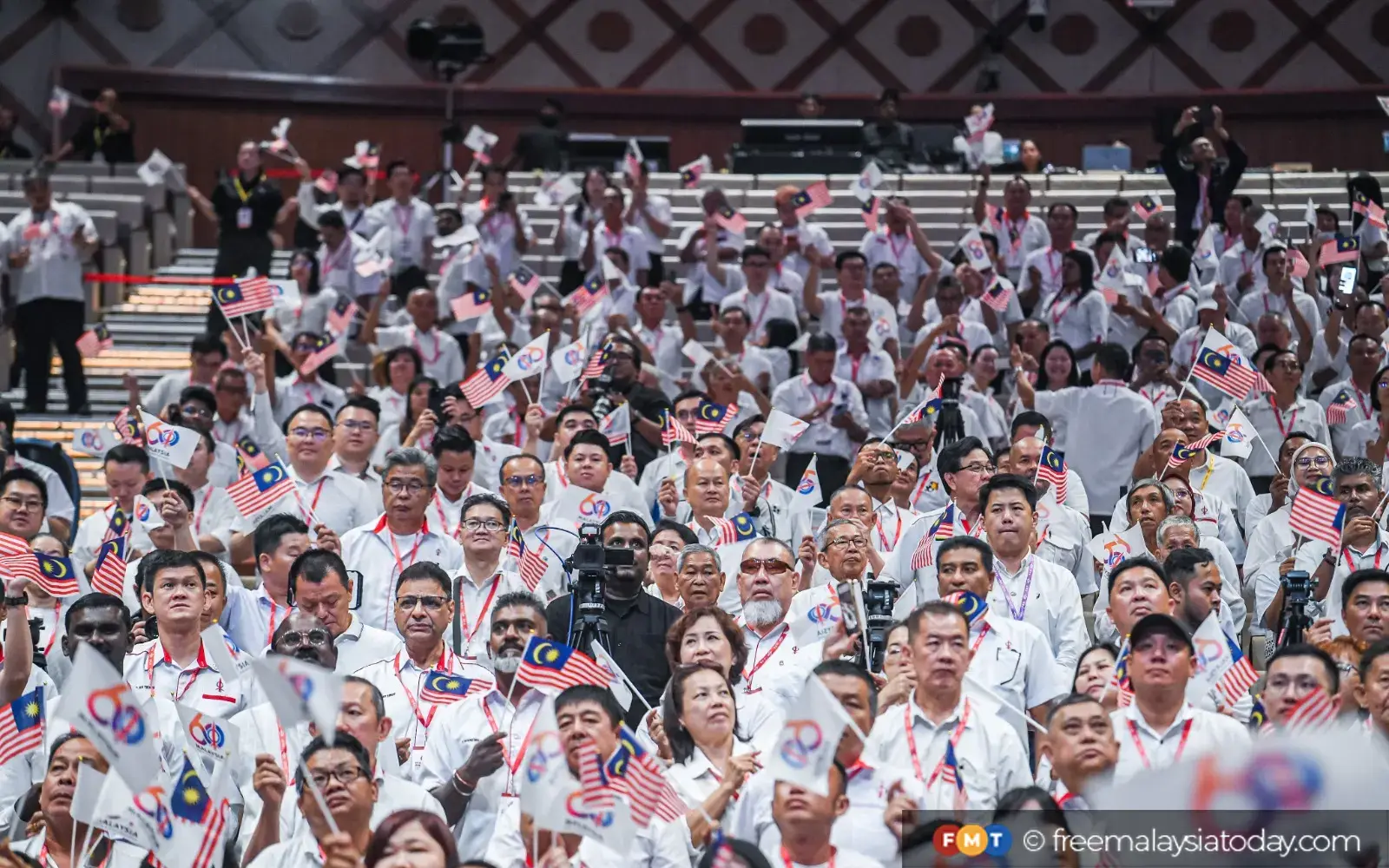

Delegates Label Congress Unnecessary Amid Resentment
Frustration with the Democratic Action Party (DAP) leadership has led many delegates to stay away from the special congress held last Sunday. The event was convened to determine whether the party should remain in the government or leave. Of those who did not show up, some described the gathering as “pointless” and “a waste of time.” JP Tan, the branch chairman for Taman Paya Terubong, stated that the vote was “quite unnecessary.” He expressed dissatisfaction with the party leadership for failing to fulfill promises made to members, a sentiment that resonated with a significant portion of the eligible delegate body.
Tan, who has been a member of the party for more than 30 years, told Free Malaysia Today that he did not want to take the time to travel, vote, and return. His decision stemmed from a deep-seated disillusionment, reflecting a broader sentiment among disgruntled delegates who cited resentment toward the party leadership as a primary reason for their low turnout. For many, the congress was perceived as a procedural formality rather than a genuine platform for addressing their concerns, further exacerbating feelings of marginalization within the party ranks.
Party's Strategic Shift Fuels Internal Dissent
The resentment is not without basis, according to a delegate from Perak. He said he had chosen not to travel to Putrajaya for the vote because he has been disillusioned with the party since it became part of the unity government. This sentiment highlights internal tensions regarding the party's political alliances and its adherence to previous commitments, particularly for long-serving members who have witnessed the party's evolution over decades. The decision to join the unity government appears to have been a significant turning point, altering the party's perceived identity and mission in the eyes of some of its veteran members.
Unhappy delegates have used strong language to describe their experience with the recent congress. The event, which was intended to clarify the party's future direction and solidify its stance within the current political landscape, instead highlighted deep divisions within the ranks. Many attendees felt that the proceedings did not adequately address their core concerns, such as the perceived deviation from party principles or the lack of accountability regarding unfulfilled pledges, leading to a significant number of members opting out of the process entirely.
Low Turnout Challenges Mandate for Unity Government Role
The congress was held with a specific agenda: to decide whether the DAP should remain in the government. Despite the low turnout among eligible delegates, the majority of those who attended eventually voted to stay in the government. This outcome contrasts sharply with the criticisms leveled by those who were absent, raising questions about the true breadth of support for the party’s current political alignment.
Of the party’s 4,264 delegates who were eligible to attend, a significant number did not participate in the vote. This disparity between the eligible delegate count and the actual turnout underscores the depth of dissatisfaction within the party. While the official result was a vote to remain in the government, the high rate of non-participation suggests that this mandate may not reflect the views of the entire membership base, potentially weakening the leadership's claim of widespread internal consensus on its strategic direction.
Unfulfilled Pledges Deepen Grassroots Frustration
Some delegates expressed profound frustration over the leadership's failure to fulfill promises. These grievances, ranging from policy commitments to internal party reforms, have contributed significantly to the perception that the congress was a waste of time for those who felt their concerns were ignored or dismissed. The lack of engagement from a large portion of the delegate body indicates that internal trust in the leadership has been eroded, making it challenging for the party to present a united front.
The event took place against a backdrop of ongoing political uncertainty and rapidly shifting alliances in the national arena. For many long-term members, the decision to join the unity government marked a pivotal turning point that led to their current disillusionment. The congress, rather than offering a path to reconciliation or addressing these underlying issues, instead served as a focal point for existing grievances, bringing internal dissent to the forefront without providing clear resolutions.
Divisions Threaten Party Cohesion and Future Direction
The low turnout and the harsh criticism from absent delegates raise serious questions about the party's internal cohesion and the legitimacy of leadership decisions moving forward. While the majority of attendees voted to remain in the government, the silence from those who stayed away speaks volumes about their dissatisfaction and their perceived lack of influence within the party structure. The resentment cited by members suggests that future leadership decisions may face continued scrutiny and potential resistance from within, complicating the party's ability to act decisively.
As the DAP navigates its complex role in the unity government, the gap between the leadership's actions and the expectations of its grassroots members remains a critical and unresolved issue. The special congress has starkly highlighted these divisions, with no immediate resolution in sight for the disgruntled delegates who feel their voices have been marginalized and their long-standing commitment to the party has been overlooked.