

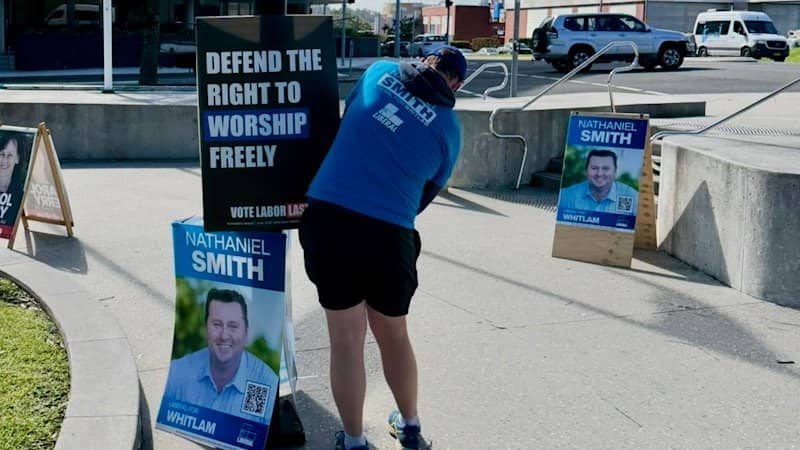

Allegations of Coordinated Political Interference
A recent report published in The Sydney Morning Herald has drawn attention to alleged connections between the Exclusive Brethren and far-right politicians who reportedly utilized "dirty tricks" to influence the outcome of the last federal election. The article, authored by Sherryn Groch and Michael Bachelard on August 21, detailed findings regarding these links, suggesting a coordinated effort to disrupt the electoral process.
According to the reporting, these tactics represent a significant escalation in political maneuvering, with individuals allegedly attempting to manipulate election results through unconventional means. The publication of these findings has sparked immediate debate regarding the integrity of Australia's democratic institutions and the role of external groups in domestic politics.
Specific Incidents and Campaign Disruptions
The report indicates that members of the Exclusive Brethren, a religious group known for its separation from mainstream society, were actively involved in activities aimed at intimidating political figures. Specifically, allegations suggest that the publicly funded Exclusive Brethren attempted to intimidate the Prime Minister during his 2025 campaign.
One account provided by Gary Barnes, a resident of Mosman, describes witnessing these activities firsthand. Barnes reported being present at a booth in the electorate of Whitlam at Flinders Public School early one morning during the campaign period. He described seeing a Brethren member dressed in shorts and a Liberal Party t-shirt putting up a poster endorsed by Morgan C Jonas.
Barnes expressed horror at the sight, stating that publicly funded groups were "doing their damnedest to intimidate the prime minister of Australia when he was respectfully campaigning." This personal account adds a specific dimension to the broader allegations of interference, grounding the claims in a tangible event within the Whitlam electorate.
Political Shifts and Coalition Dynamics
The involvement of far-right actors has coincided with observable shifts within the Australian political landscape. The article suggests that as the Coalition moved further to the right, despite protests from senior Liberal Party figures such as George Brandis, it became increasingly apparent that a faction with ties to movements like Donald Trump's MAGA was seeking a complete takeover of the party.
This internal dynamic has raised concerns among observers about the direction of Australian conservatism. The alleged alignment with international right-wing movements indicates a potential ideological shift that extends beyond traditional domestic policy debates, potentially impacting how political strategies are formulated and executed.
Extremism, whether originating from the right or the left, is cited as a threat that can corrupt politics. The report implies that the current political environment is vulnerable to such influences, with some factions determined to reshape the party structure to align with their specific ideological goals.
Evaluating Democratic Vulnerabilities
While Australia's electoral system is widely regarded as robust due to its compulsory preferential voting mechanism, commentators argue that the political landscape itself remains vulnerable. The article posits that this vulnerability puts democracy at stake, suggesting that procedural safeguards may not be sufficient to counteract coordinated interference from non-traditional political actors.
The potential for extremism to corrupt politics is a central theme in the discussion surrounding these allegations. The concern is not merely about individual actions but about the systemic risk posed by groups that operate outside standard political channels yet seek to influence outcomes through disruptive means.
Calls for Official Investigation
In response to these developments, there are growing calls for a formal inquiry into the matter. Gary Barnes argued that the threats to democracy warrant a royal commission to address what he described as a "cancer" in politics. The suggestion is that only a high-level, independent investigation can adequately examine the extent of the interference and its implications for future elections.
The demand for a royal commission reflects a serious concern among some citizens and observers that the current political norms are being tested. By invoking such a significant investigative tool, proponents of this view argue that the government must take concrete steps to ensure the integrity of the democratic process is maintained.
As the debate continues, the focus remains on the alleged links between religious groups and far-right politicians, and whether these connections represent an isolated incident or a broader trend in Australian political behavior. The outcome of any potential inquiry could have lasting implications for how such interactions are regulated and perceived in future electoral cycles.