

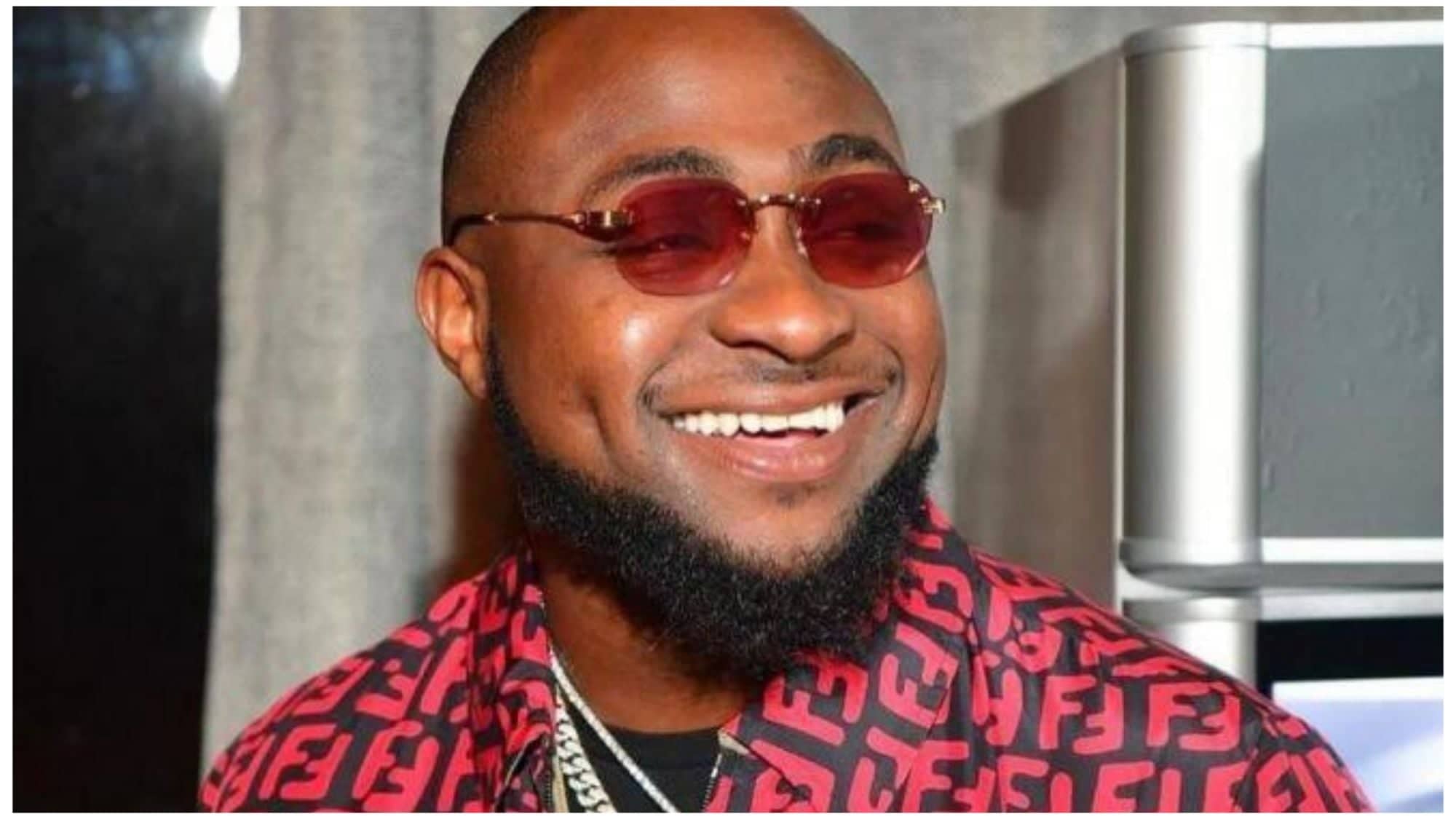

Afrobeats Star Davido's Post-Election Meeting Draws Fire
Afrobeats superstar David Adeleke, widely known as Davido, has become the focal point of public criticism from Omoyele Sowore, the 2027 presidential candidate for the African Action Congress (AAC). The controversy ignited following Davido’s attendance at a recent gathering in Abuja, involving his uncle, Osun State Governor Ademola Adeleke, and Nyesom Wike, the Minister of the Federal Capital Territory.
The meeting took place on a Thursday at Minister Wike’s residence in Abuja. This encounter occurred just days after Governor Adeleke successfully secured his re-election in the Osun State governorship election, which had concluded on August 15. A 16-second video clip from the event quickly circulated across social media platforms, capturing a notable interaction between Davido and Minister Wike.
The Viral Video and Davido's "I Won" Remark
In the widely shared footage, Davido is seen dressed in traditional brown attire, while Minister Wike is seated, wearing a white shirt. The video prominently features Davido repeatedly stating to Wike, "I won. I beat you guys," a clear reference to the outcome of the recent state election. Despite the underlying political context, the interaction captured in the recorded clip appeared light-hearted and jovial.
Davido's comment, directed at a prominent federal minister, quickly drew attention, especially given the contentious nature of Nigerian elections and the high stakes involved in governorship races. The casual tone of the remark, juxtaposed with the serious political implications, set the stage for the subsequent public debate.
Osun Governorship Election: A Backdrop of Tensions
The meeting between Governor Adeleke, Minister Wike, and Davido unfolded against the backdrop of a keenly contested Osun State governorship election. Governor Ademola Adeleke's re-election on August 15 marked a significant political event, solidifying his position in the state's leadership. The election itself was characterized by intense political maneuvering and public discourse.
Governor Adeleke's Re-election and Political Dynamics
Governor Adeleke, a prominent figure in Osun State politics and a member of the influential Adeleke family, had just emerged victorious from a challenging electoral battle. His re-election was a testament to his political strength and the support he garnered within the state. The presence of his nephew, Davido, a global music icon, has often brought additional public attention to the family's political endeavors.
While the research notes do not explicitly detail Minister Nyesom Wike's specific role or alignment in the Osun election, Davido's direct comment, "I beat you guys," strongly implies that Wike was perceived to be on the opposing side or at least not in support of Governor Adeleke's candidacy. This interaction highlights the complex web of alliances and rivalries that often define Nigerian politics, where figures from different political camps may engage in private meetings despite public or perceived opposition.
Sowore Alleges Hypocrisy and Electoral Violence
Omoyele Sowore, a well-known activist and the 2027 presidential candidate for the African Action Congress (AAC), swiftly condemned the interaction. He took to social media platform X to voice his strong disapproval, questioning the appropriateness of Davido’s meeting with Minister Wike so soon after the contentious Osun governorship election.
Activist Questions Public Posturing Versus Private Engagements
Sowore described Davido’s interaction with the minister as fundamentally inconsistent with the political rhetoric that had dominated the August 15 poll. He specifically referenced the controversy generated by the phrase "agreement is agreement" during the election period, suggesting a disparity between public political posturing and private engagements among political figures and their associates.
Through his social media critique, Sowore accused Nigerian politicians and their supporters of a pattern of misleading the public. He argued that while public figures engage in heated political battles and rhetoric, they often pursue private interests and maintain cordial relations behind the scenes. This, Sowore suggested, undermines the serious issues and public trust at stake during electoral processes.
Allegations of Deadly Violence Marring the Poll
Beyond the perceived inconsistency, Sowore also linked his criticism to grave allegations of violence and loss of lives during the Osun governorship election. He asserted that the poll was marred by deadly violence, implying that such severe consequences for the electorate stand in stark contrast to the seemingly amicable post-election interactions among political elites.
Sowore's remarks underscore a broader concern among some citizens and activists regarding the integrity of the electoral process and the accountability of political actors. His accusations highlight a perceived disconnect between the sacrifices made by the populace during elections and the conduct of those in power or associated with them.
Celebrity Engagement and Political Accountability
Davido’s prominent presence at the Abuja meeting brings into sharp focus the intricate relationship between celebrity influence and political life in Nigeria. As one of Africa’s most recognized music stars, his actions and associations inevitably draw significant public and media attention, particularly when they intersect with the political sphere.
The Adeleke Family's Political Footprint
The close familial ties between Davido and Governor Ademola Adeleke—Davido being the governor’s nephew—have historically placed the singer within the orbit of political events. This relationship has often seen Davido actively supporting his uncle’s political campaigns, leveraging his immense popularity to mobilize public sentiment. The timing of this recent gathering, shortly after the governor's re-election, further intensified the scrutiny on Davido’s engagement with federal officials and the broader political establishment.
Sowore’s pointed remarks have fueled an ongoing debate about the role and responsibilities of celebrities and politically connected families in Nigeria’s public discourse. The accusations against politicians and their supporters for allegedly prioritizing private interests over public welfare, while elections are marred by serious issues like violence, continue to resonate with segments of the Nigerian populace who demand greater transparency and accountability from their leaders and public figures alike.